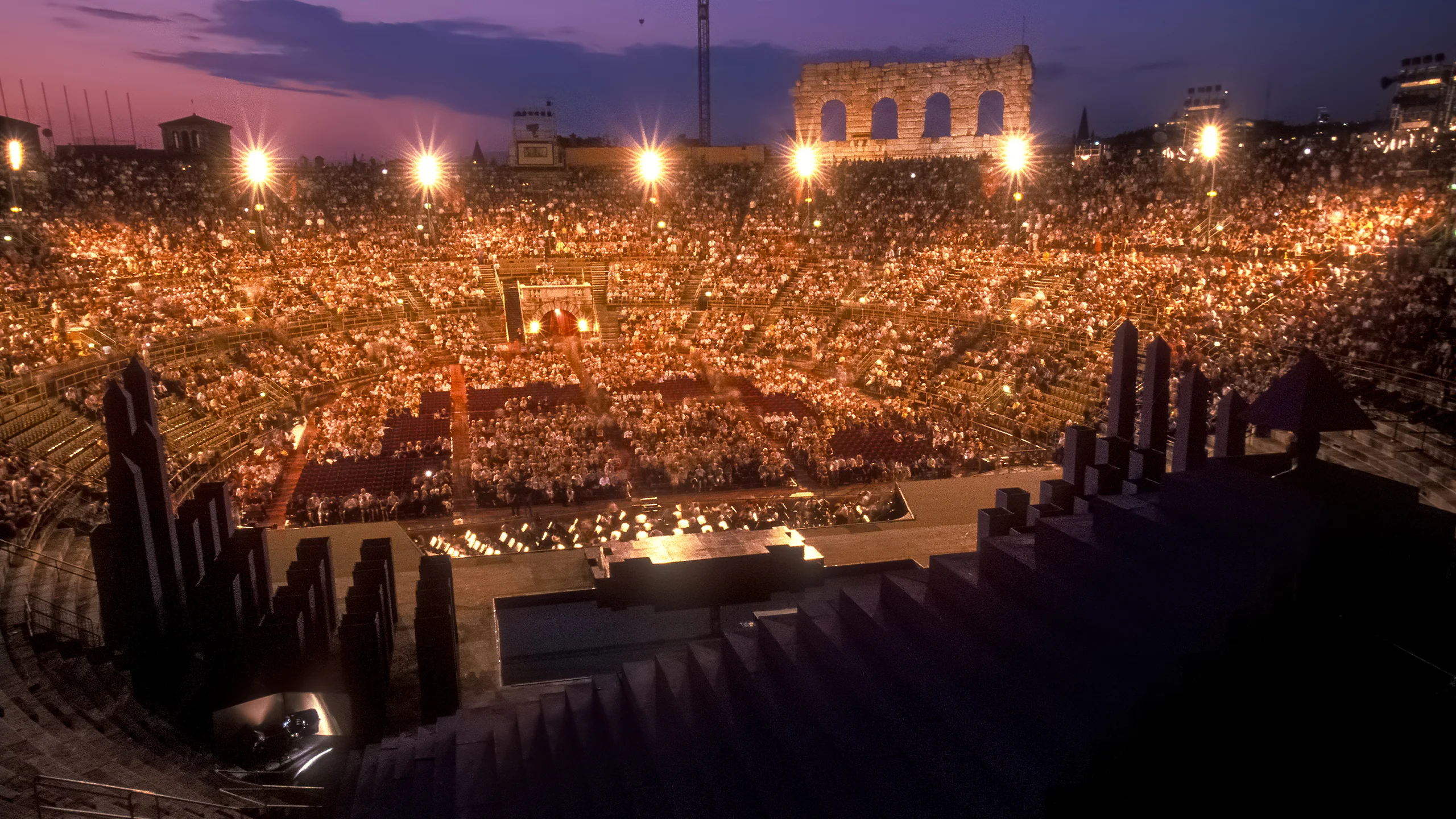
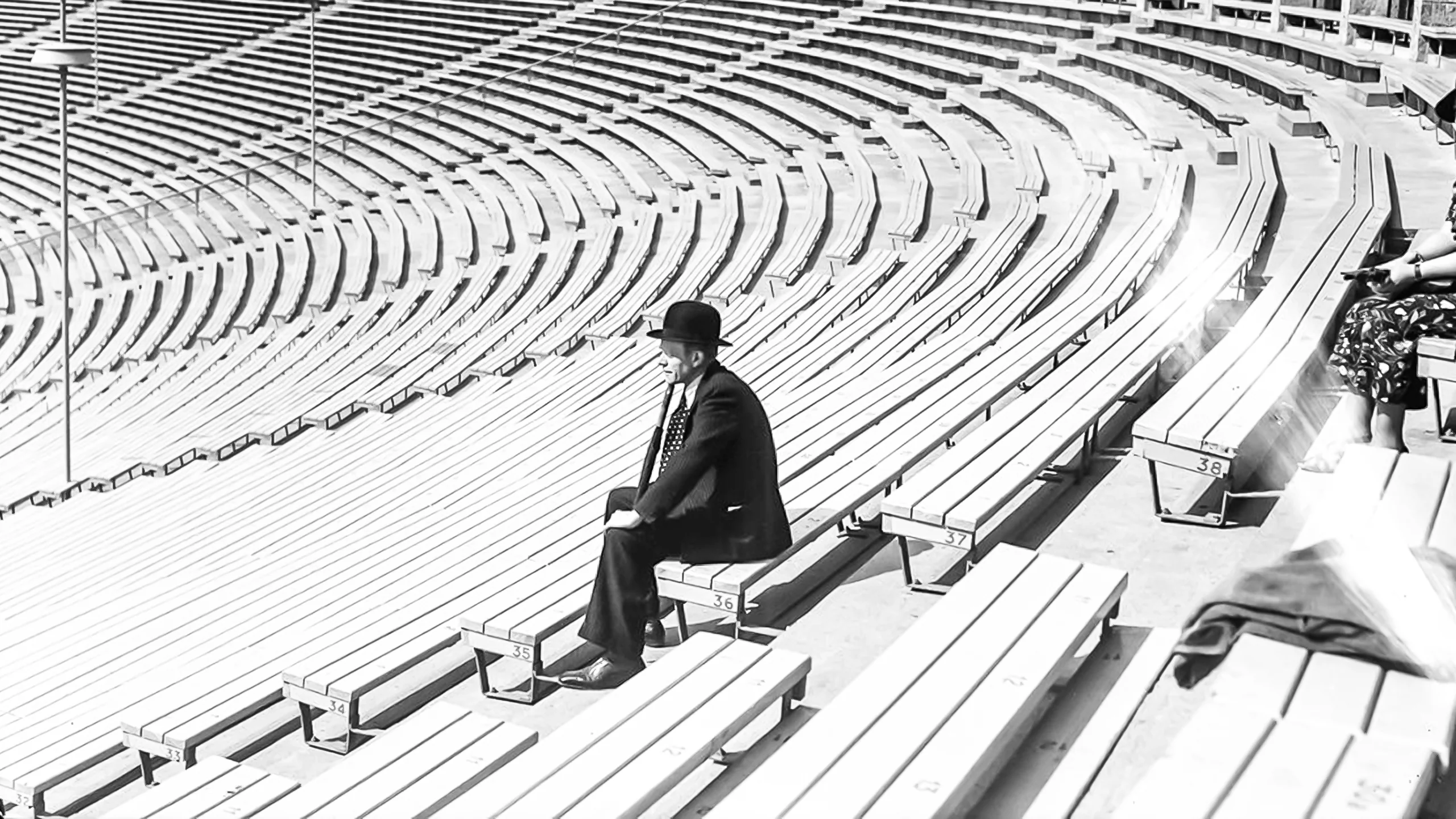
“The amphitheatre is thus the first outstanding monument of the Antique that I see and it is so well preserved! As I entered, but even more as I walked around its edge above, it seemed strange to me to see at once something so great and, actually, to see nothing. It does not wish to be seen empty, but full of people. For such an amphitheatre is built so that the people may be impressed by themselves, to be at their best.
italian journey
Goethe’s Vision and Modern Sports Architecture
The power and ambivalence of the crowd
The psychology of the crowd
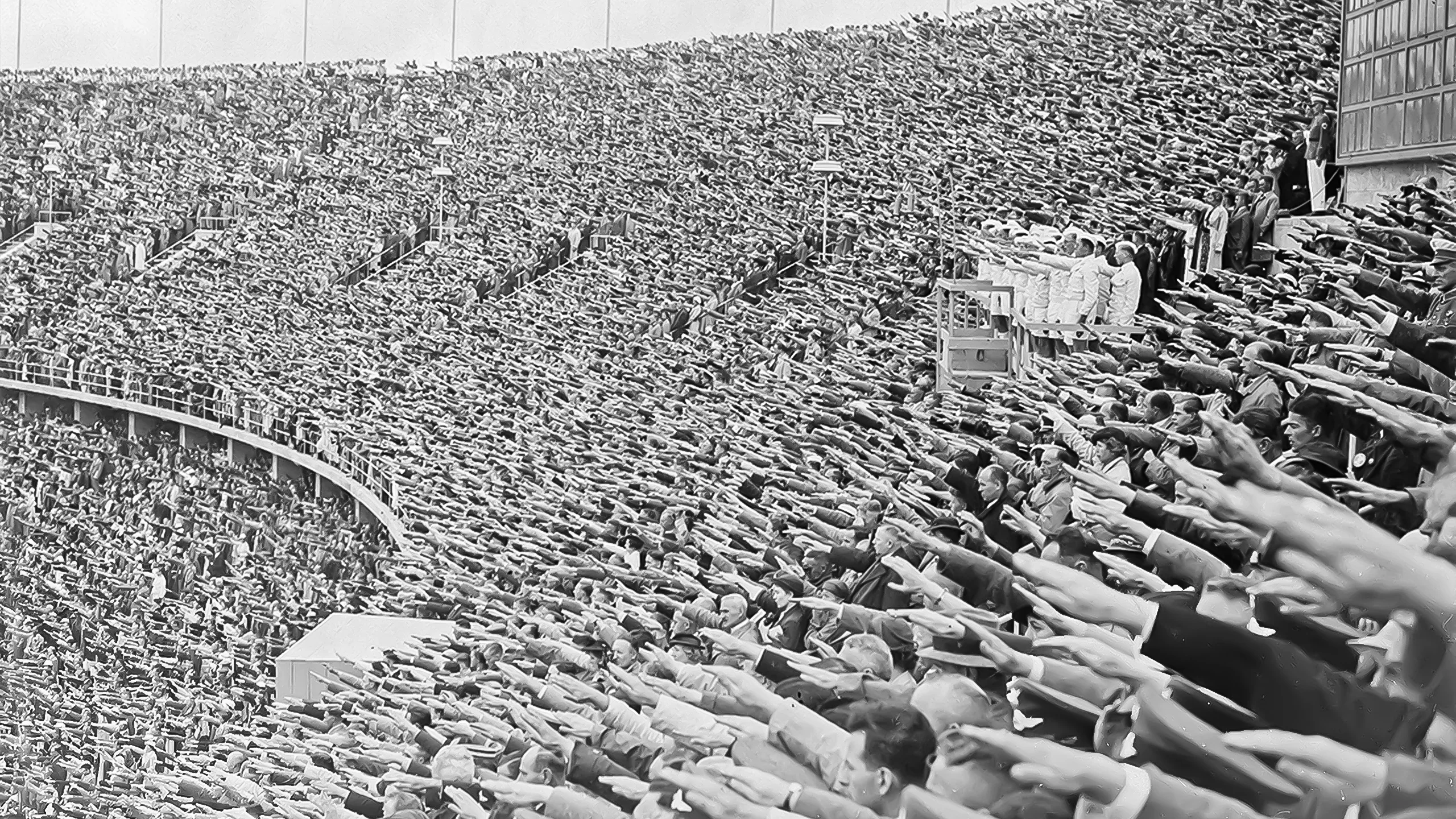
With the publication of The Crowd: A Study of the Popular Mind, Gustave Le Bon introduced a new way of understanding mass behaviour. For the first time, psychology, until then focused on the individual, was applied to the dynamics of crowds.
Le Bon observed that individuals, once part of a crowd, begin to behave differently. Emotions intensify, rational control diminishes, and collective behaviour emerges.
Under the influence of shared excitement or major events, thousands of individuals can act as a single entity. He described how anonymity within a crowd creates a sense of power and reduces personal responsibility. Ideas and emotions spread rapidly, often leading to immediate action. In this environment, the crowd becomes highly suggestible driven less by reason and more by instinct and shared sentiment.
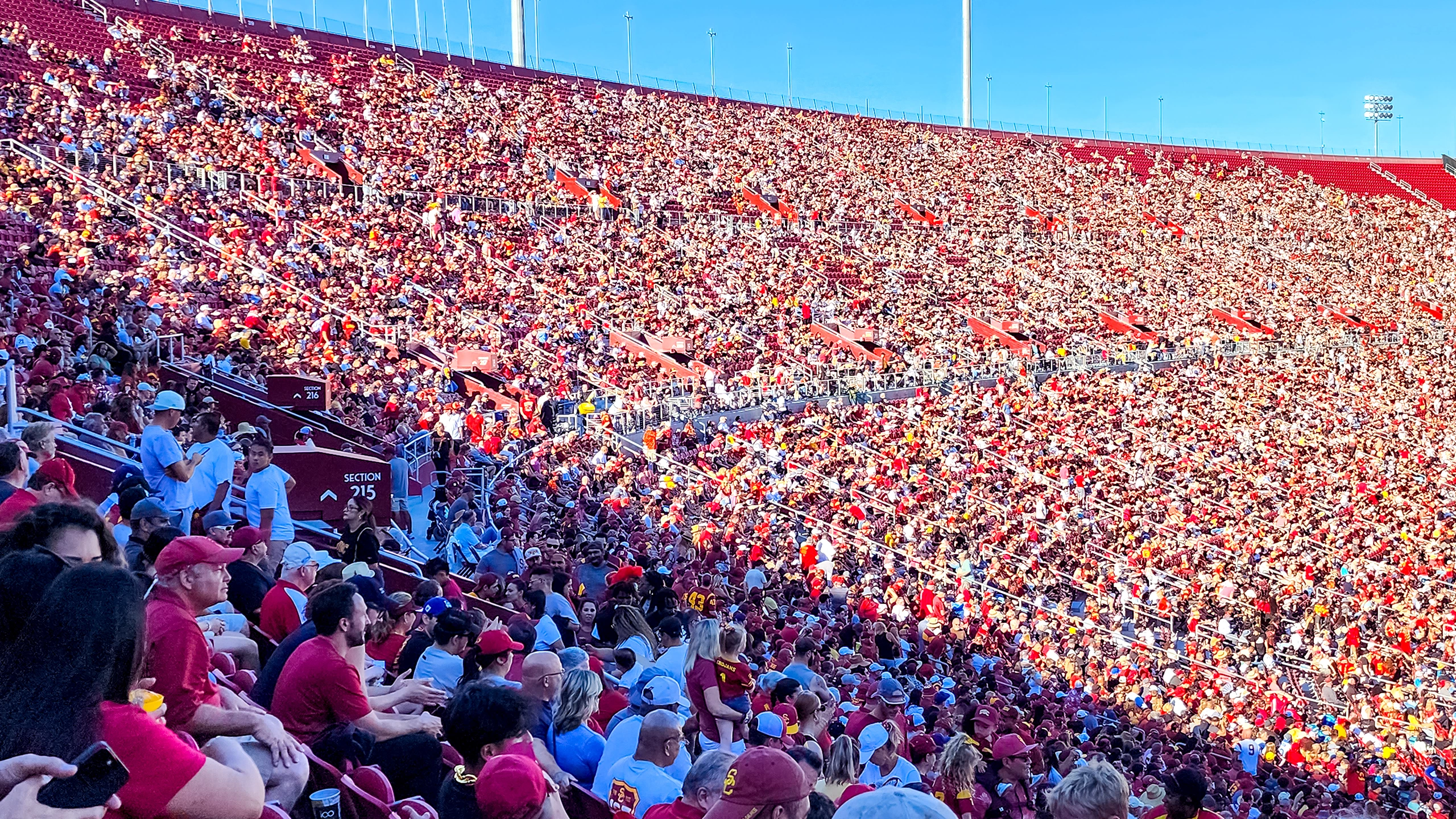
These insights proved highly influential, particularly in the twentieth century, where mass movements, both constructive and destructive, demonstrated the power of collective psychology. For the development of sports venues, Le Bon’s work highlights a crucial dimension: stadiums are not only physical structures, but spaces designed for collective experience. The interaction between architecture and crowd behaviour becomes a defining factor, shaping atmosphere, identity, and the emotional intensity of live events.
Chronology of Sports Venues
Ca. 15000 B.C.
Cave paintings
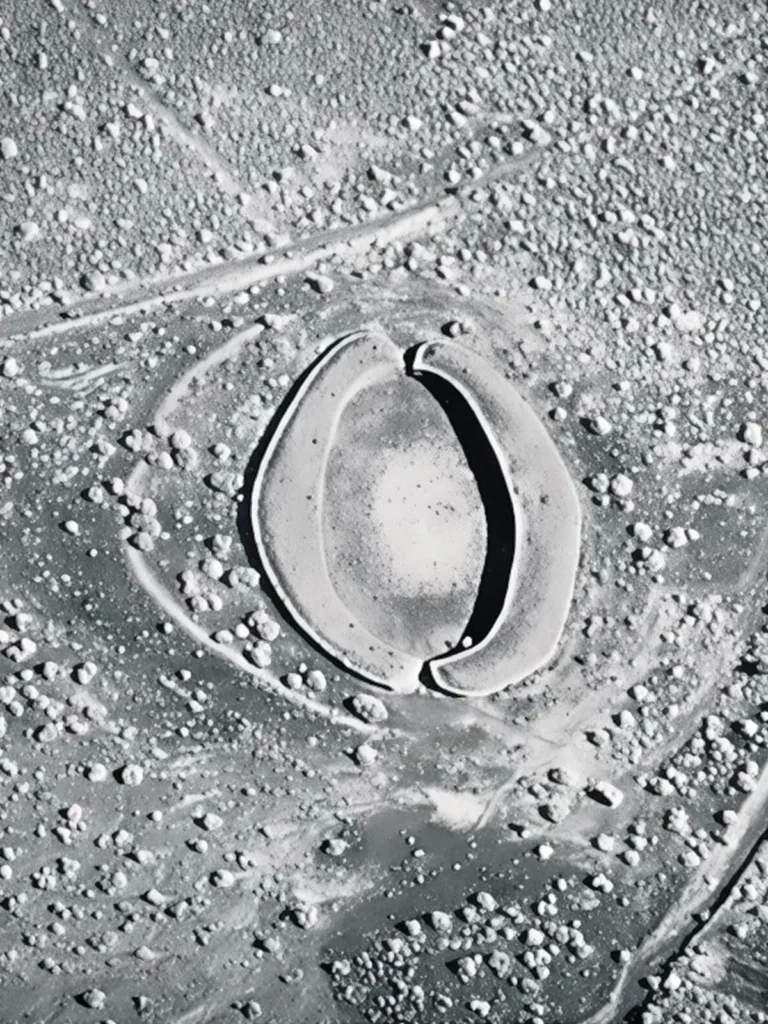
Cave paintings show human figures running and throwing. The great outdoors is the location for these sport-like activities, which are linked to the hunt.
2697 or 2639 B.C. (depending on the source)
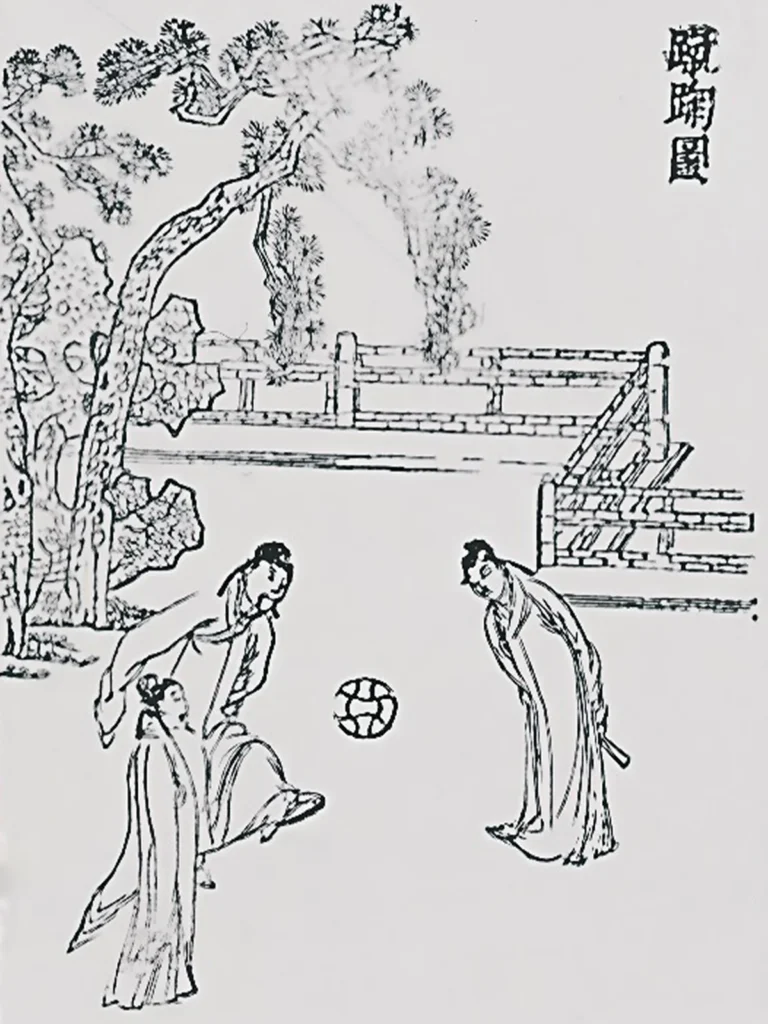
The game develops in China
Around 2697 or 2639 BCE (depending on the source), a ball game played with the feet develops in China. It is called cuju (cu = play with the feet, ju = ball) and involves kicking a ball stuffed with feathers through two goals, each about five metres high. Football spreads to Rome via Assyria and Egypt and is believed to have been brought to England by Roman legionnaires. There it becomes so popular over the centuries that, by 1349, King Edward III feels compelled to ban it. The rules of the modern game begin to take shape in 1863, when the number of players on a team is set at eleven.
1400 B.C.
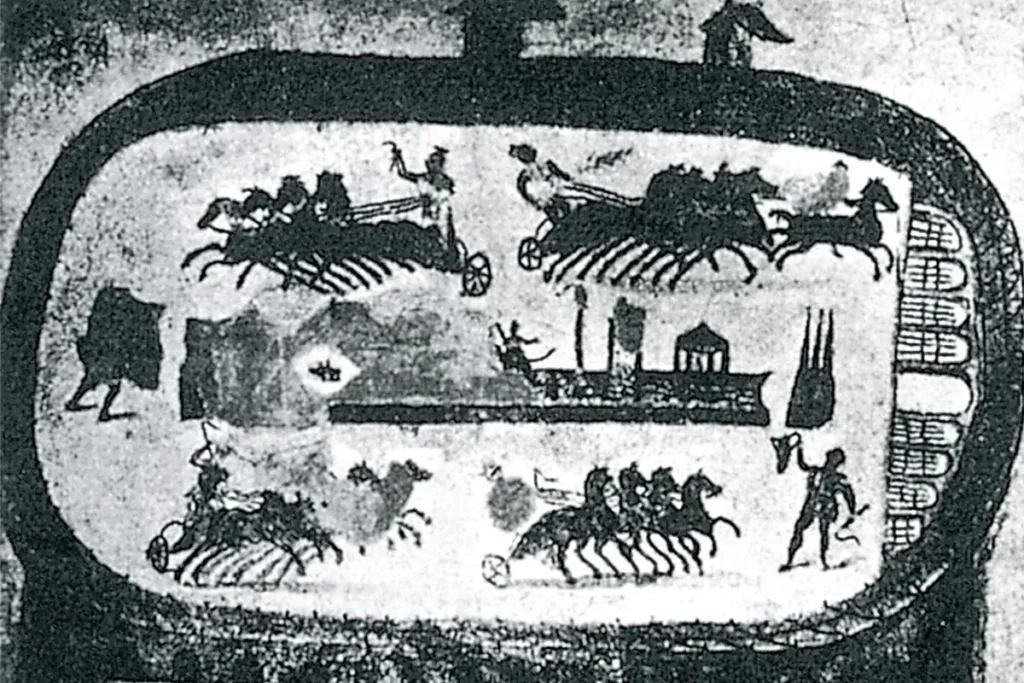
The Hitties hold chariot races.
Post-800 B.C.
Urania ballgame
Homer becomes probably the world’s first sport reporter, describing the Urania ballgame – a kind of handball – in the Odyssey, and boxing competitions in the Iliad. He also mentions evened-out training grounds with rows of shady trees.
776 B.C.
The stadium’s ancient roots
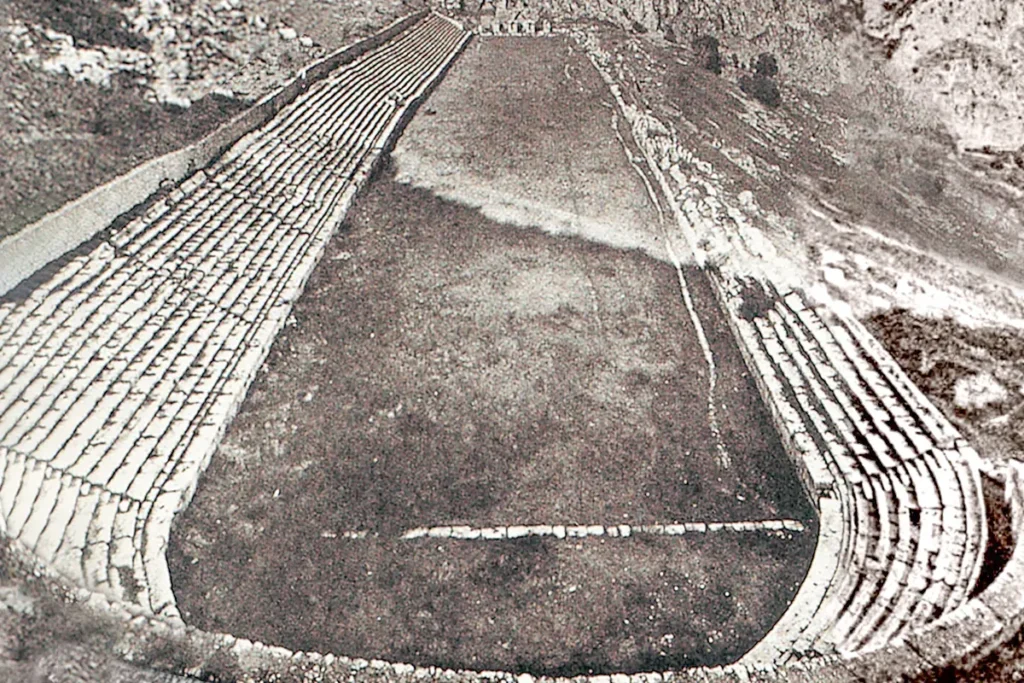
The first Olympic Games are held, and in Greece time begins to be measured in Olympiads. The Games, organised at the religious centres of Olympia, Delphi, Corinth and Nemea, evolve from sometimes violent competitions. Victory brings great honour to the athlete and their city, and athletics as a recognised career is born.
Until then, the term stadium referred solely to a common longitudinal measurement, not a precisely standardised distance. Because the measure of a “foot” differed from region to region, the actual length of a stadium varied from place to place. At the sacred site of Olympia, one stadium corresponded to approximately 192.25 metres.
… to be continued.
To access the complete Chronology of Sports Venues, simply become a Coliseum GSVA member and apply by clicking the button below.
I want to be part of the only global sports venue alliance