Summit Program
-
8:40 am
Welcome to Coliseum Summit EUROPE
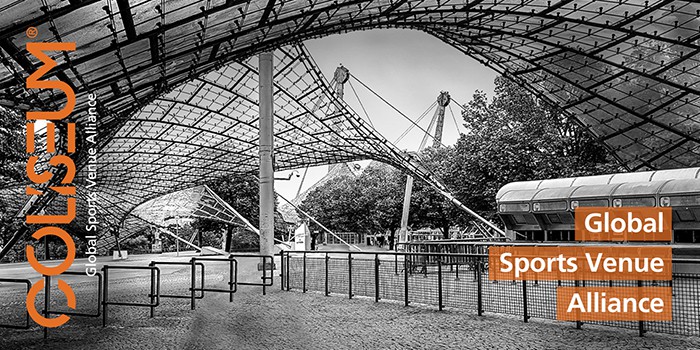 Image: Coliseum GSVA / Michael Rennschmied
Introduction of Coliseum’s Chair & master of ceremony

Michael Rennschmied, MA bio Founder, Coliseum, GSVA, Dubai, UAE
-
8:45 am
Opening key-note 1
Fulham FC cutting-edge Riverside Stand meet heritage
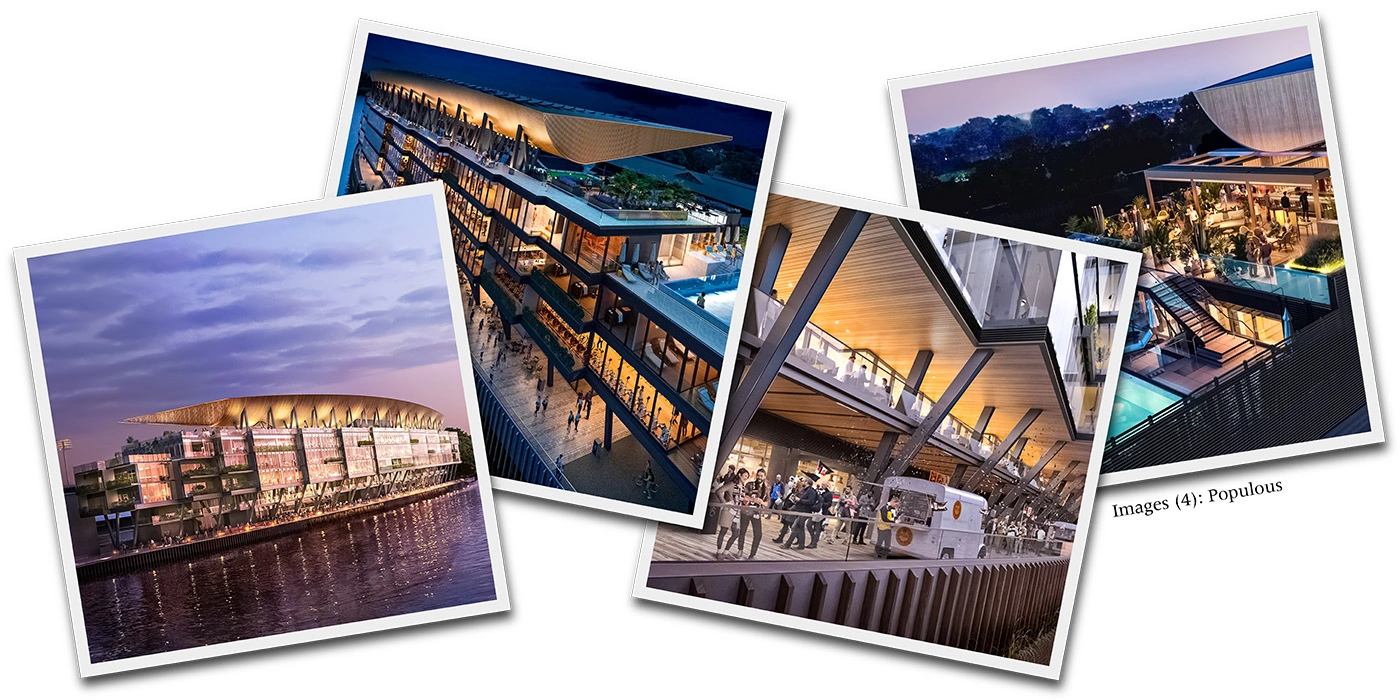
Glenn Sutton will tell Declan Sharkey in his key-note address in this meet how the Premier League team Fulham F.C.’s Riverside Stand set against the picturesque backdrop of London’s River Thames is more than simply a new stand at an iconic ground, it’s a bold reimagination of what modern football architecture can be.
Sutton will further share with Sharkey that the new Riverside Stand merges cutting-edge design with deep respect for Fulham F.C.’s home ground – the 25,700-capacity Craven Cottage’s (Fulham, UK) historic charm transforming the famed ground into a 365-day-a-year destination that offers much more than matchday magic.
-
9:10 am
Opening key-note 2
Multihundred-million-dollar Bridgestone Arena expansion
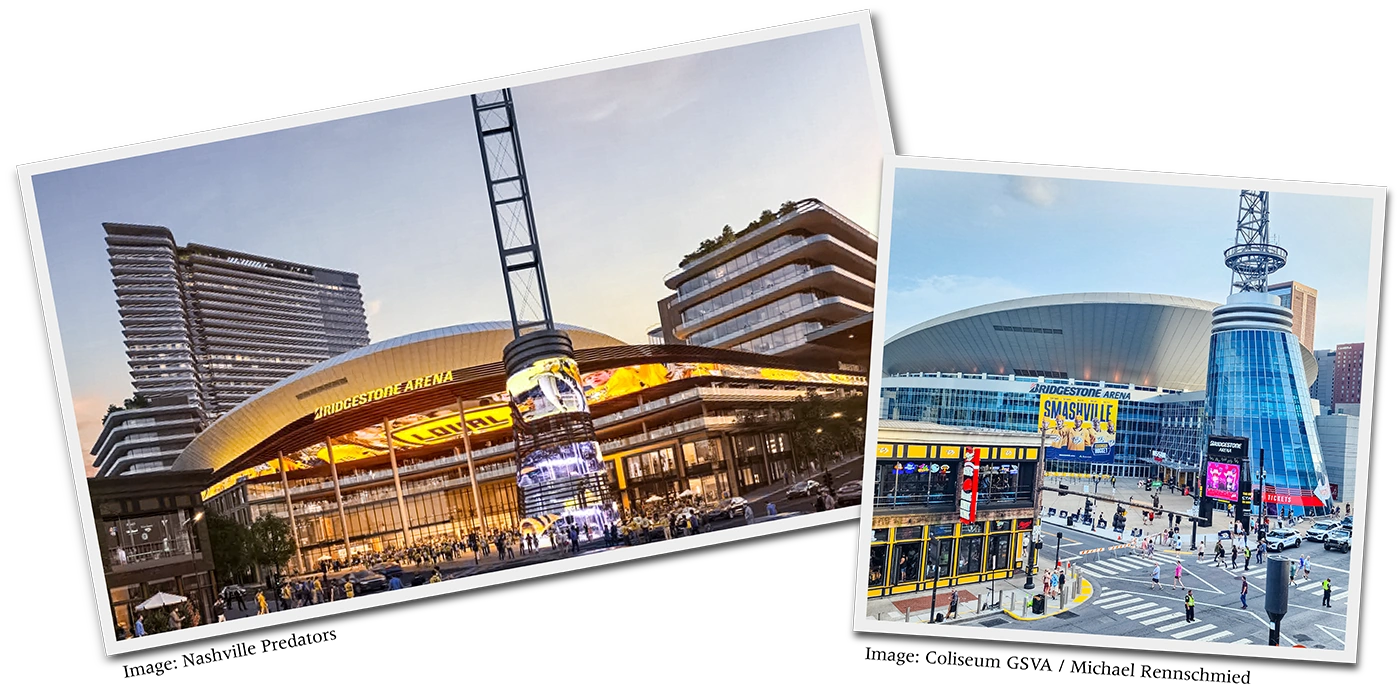
Jacob Lutz will tell Rob Hunden in a one-to-one interaction in this conference how the 20,000-capacity Bridgestone Arena in Nashville, Tennessee (US) is preparing for a major multiyear renovation aimed at modernizing the venue and ensuring it remains a centerpiece of downtown Nashville for decades to come.
He will also tell Hunden that the Bridgestone Arena centers on a massive, multiyear, multihundred-million-dollar expansion and renovation project to modernize the venue including a huge rooftop bar, expanded concourses, new retail/dining, and improved tech (5G) with phased closures for construction through 2030.
-
Venice Stadium immersed in the lap of nature
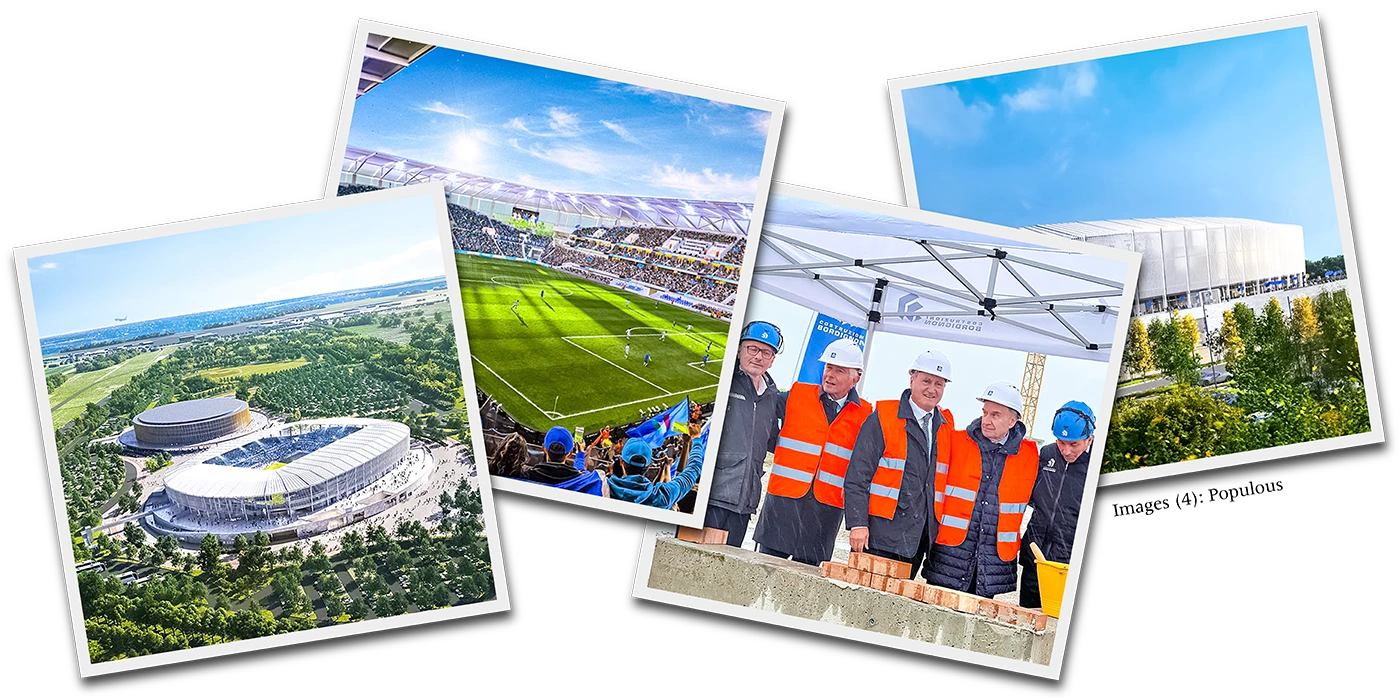
Andrea Rogg will share with the audience how work is progressing on the 18,500-capacity Venice Stadium in the Bosco dello Sport area, a new 116-hectare multifunctional sports hub North of the Italian City.
Rogg will further share that the new stadium will create the sports infrastructure that the City deserves: An innovative venue immersed in the natural landscape of Bosco dello Sport capable of offering a unique fan experience and becoming a new point of reference for the athletes and for both the local and the international community.

Andrea Rogg bio Director of Operations, Venezia FC, Italy
-
9:45 am
El Campín reborn: A new stadium and civic heart for Bogotá
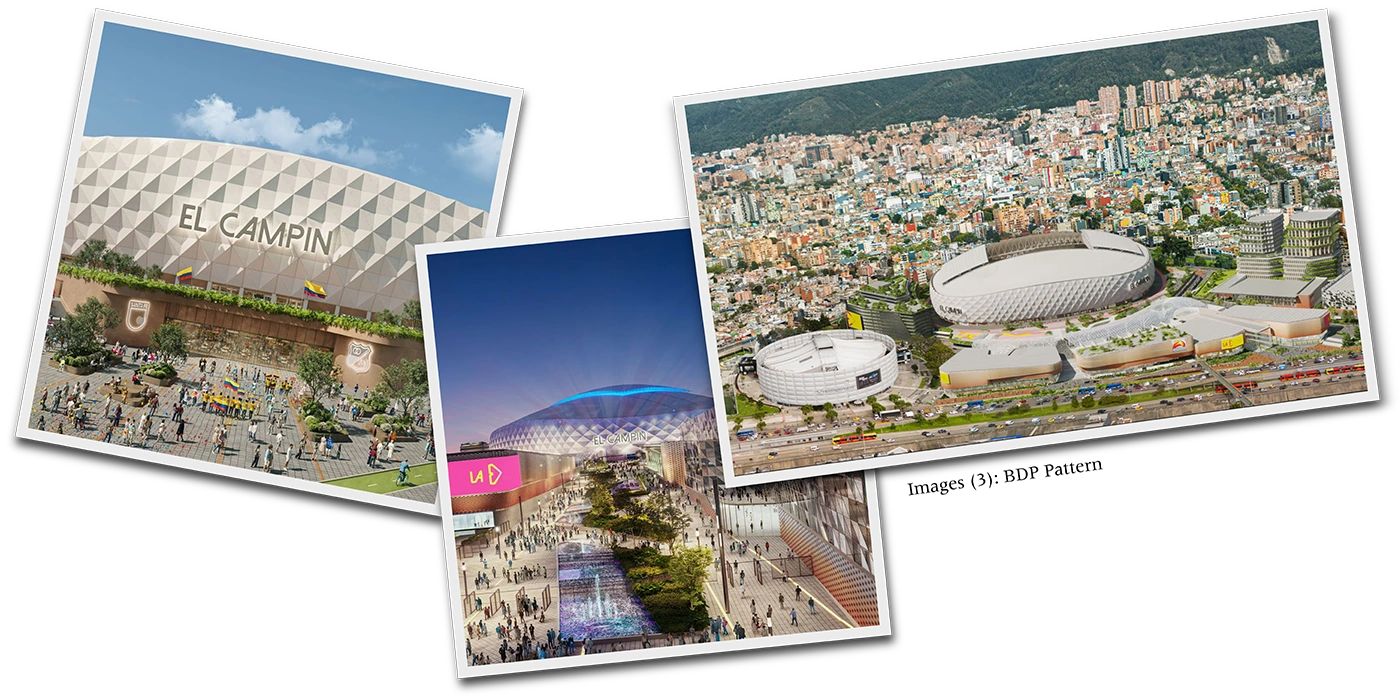
Jon-Scott Kohli will tell the distinguished audience that the El Campín project has been developed in collaboration with Sencia Colombia and engineering partner WSP and the ambitious project will transform the site of the historic existing 39,000-capacity El Campín Stadium in Bogotá, Colombia into a world-class, mixed-use destination for sport, music, culture, and leisure – a new civic heart for Bogotá and a cultural hub for Colombia.
At the core of the development is a new 50,000-capacity stadium, a bold and modern replacement for the 39,000-capacity El Campín Stadium in Bogotá, Colombia, the historic home of the Colombian professional football teams Millonarios F.C. and the Club Independiente Santa Fe.

Jon-Scott Kohli bio Architect & Project Director, BDP Pattern, UK
-
10 am
Embedding sustainability into club strategy and stadium operations
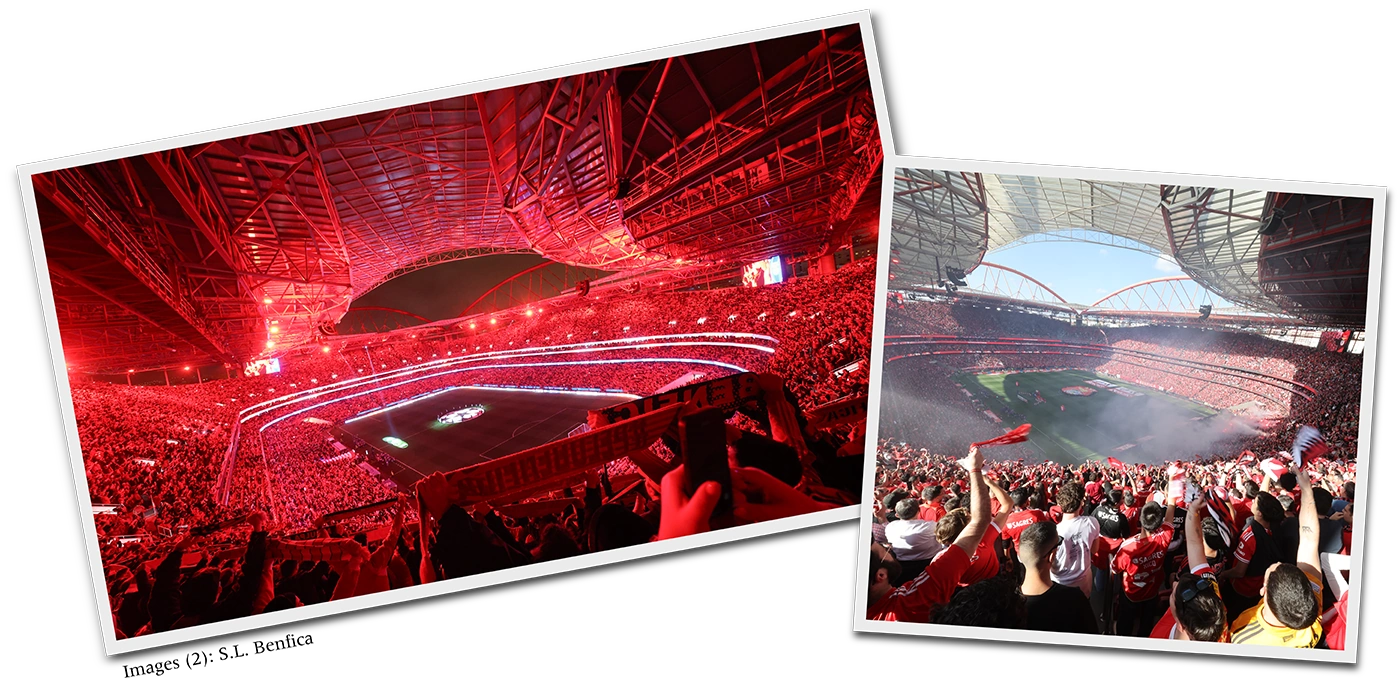
Henrique Conceição in a conversation with Sander van Stiphout will outline how one of Europe’s leading clubs – the Primeira Liga team S.L. Benfica (Lisbon, Portugal) – is embedding sustainability across governance, operations and infrastructure. Anchored in the UN Sustainable Development Goals, the Union of European Football Association’s (UEFA’s) Strength Through Unity strategy and the evolving requirements of the Corporate Sustainability Reporting Directive (CSRD), and the European Sustainability Reporting Standards (ESRS), Benfica has approached sustainability not as an obligation but as a strategic opportunity.
Conceição will present the club’s structured roadmap covering mobility, waste, water, accessibility, and Scope 3 emissions alongside the development of Benfica’s first Sustainability Report and a comprehensive review of the ongoing initiatives. From board-level sponsorship to the measurable Key Performance Indicators (KPIs) and the long-term value creation this session will explore how sustainability can strengthen the brand credibility, the stakeholder trust and the competitive advantage both on and off the pitch.
-
10:15 am
Nou Mestalla: Restarting a 20-year stadium vision
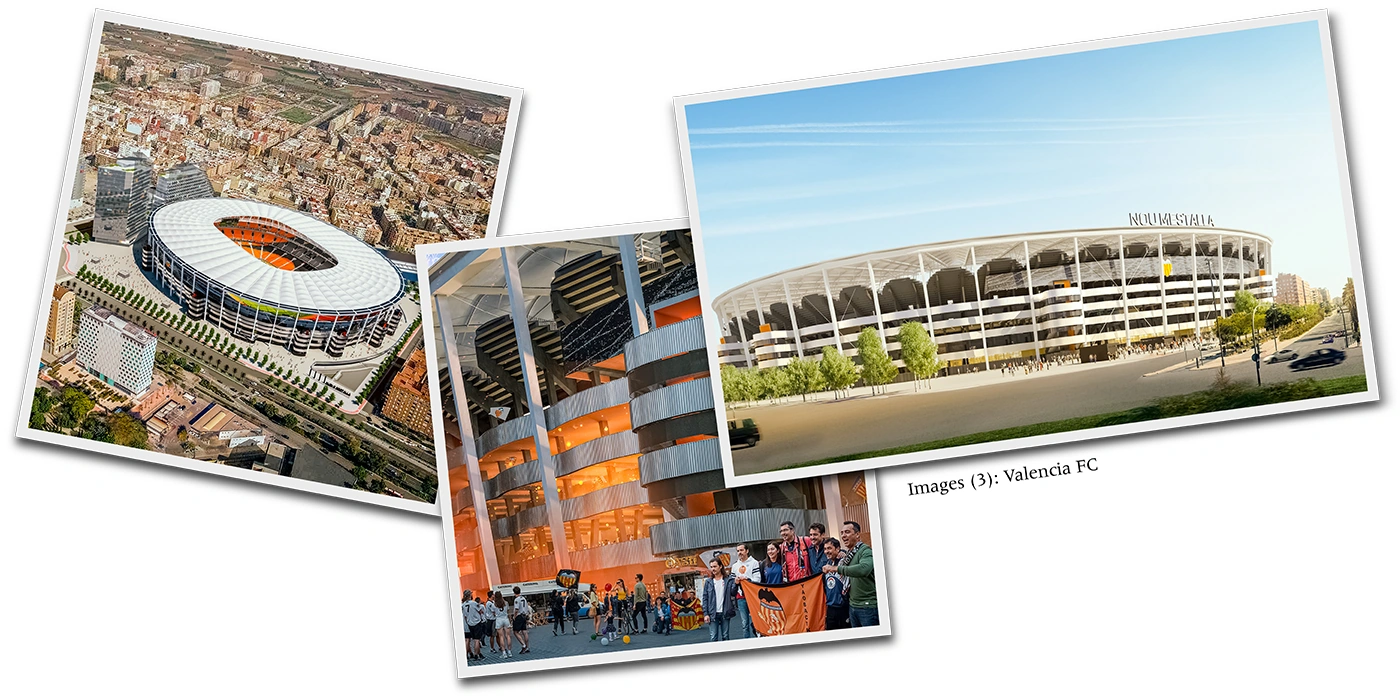
Mark Fenwick, the original architect of the under-construction 70,044-capacity Nou Mestalla Stadium in Valencia, Spain, returns to tell the remarkable 20-year journey of the LaLiga team Valencia CF’s long-awaited new home. First conceived more than two decades ago the project endured prolonged construction stoppages, financial disruption and multiple redesigns becoming one of European football’s most complex stadium stories.
In this session, Fenwick will share first-hand insights into how the original vision was revived and re-engineered for today’s realities transforming Nou Mestalla into a future-ready, 70,000+ seat stadium meeting modern LaLiga and the Union of European Football Associations (UEFA) standards. From architectural evolution and fan experience to sustainability and restart strategy this is a rare, honest case study in resilience, adaptation and long-term stadium development.

Mark Fenwick bio Senior Partner, Fenwick Iribarren Architects, Spain
-
Operating abroad while rebuilding at home: Jacksonville Jaguars and NFL London Games
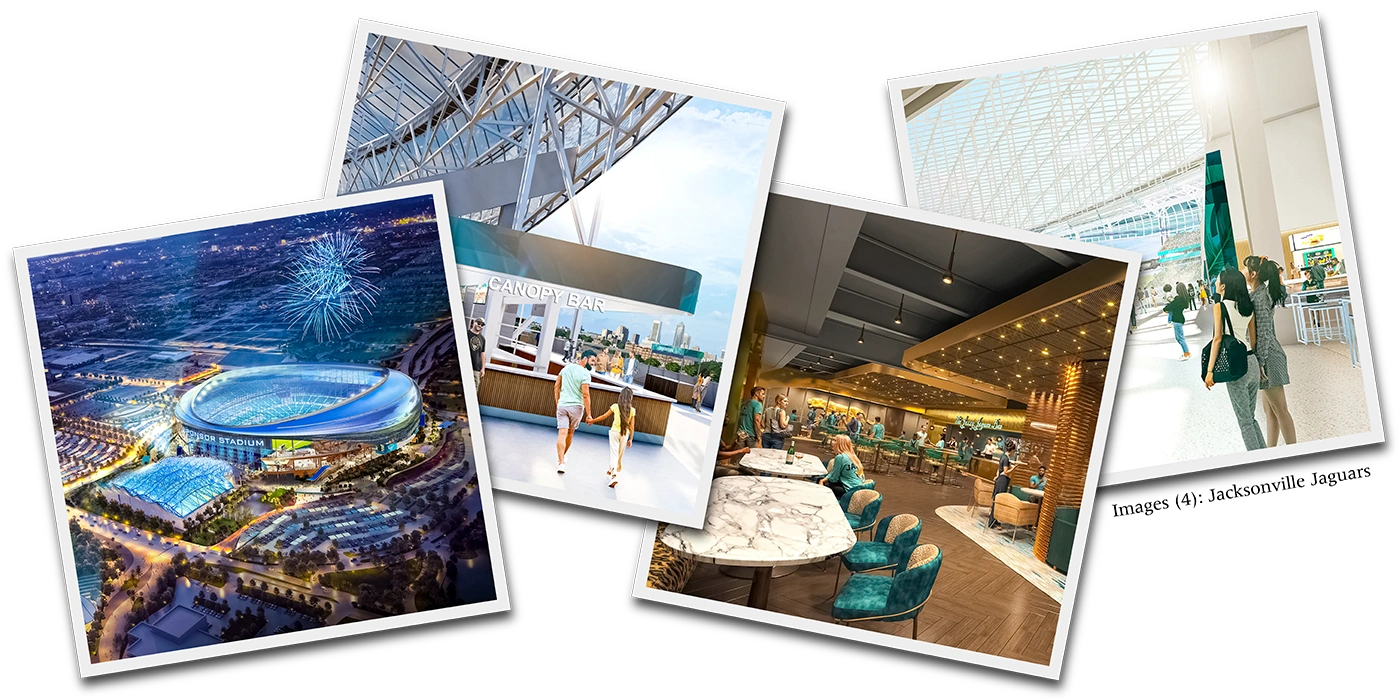
In a one-to-one conversation with Neil Levett, Mackenzie Cadman will share the unique transatlantic reality of a National Football League (NFL) club operating far beyond its home market. Under the ownership of Shahid Khan, the NFL team Jacksonville Jaguars’ close link with the Premier League team Fulham F.C. (UK) creates a rare bridge between American and English sport.
Cadman will offer first-hand insights into the operational realities behind delivering regular-season NFL London Games while also reflecting on how the Jaguars are balancing international growth with the delivery of their new ‘Stadium of the Future’ currently under construction in Jacksonville (Florida, US).
-
10:45 am
Al Ahly and Everton’s Hill Dickinson Stadium: Humanizing and digitizing venues
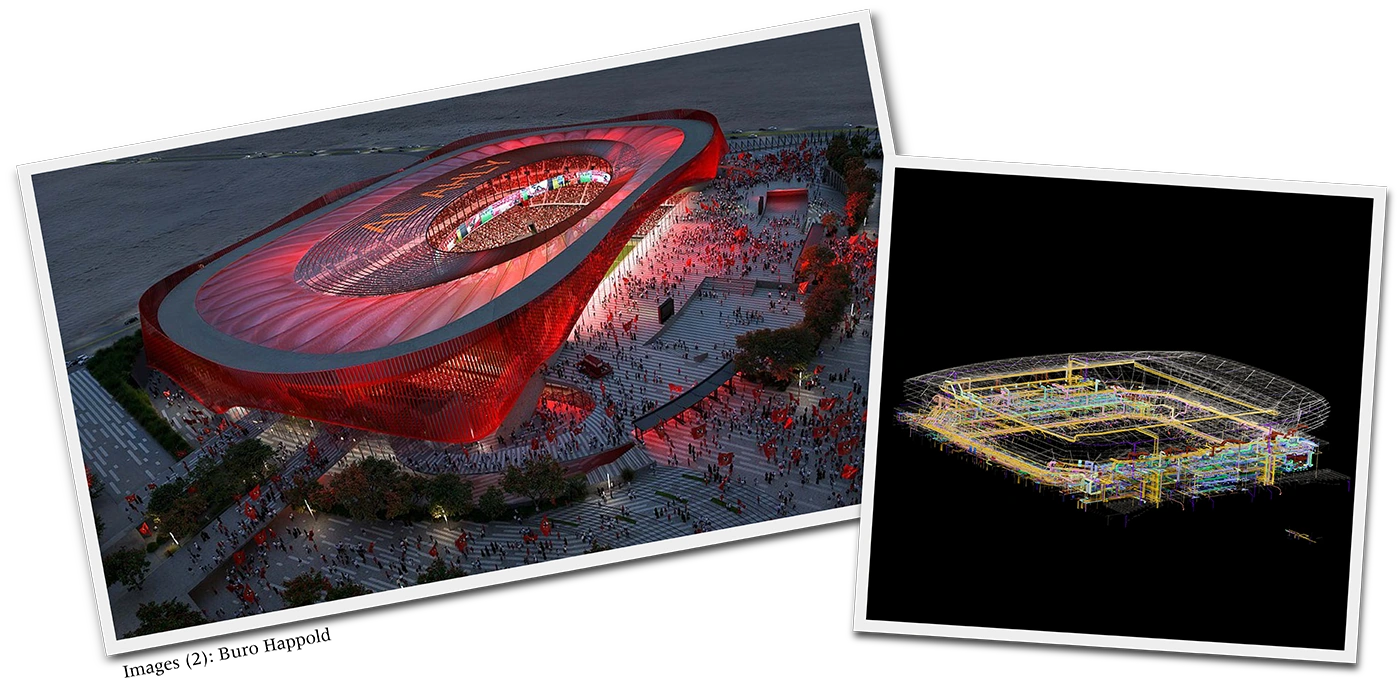
Rob May and Jack Treble will present two case studies illustrating how the modern venues can balance digitization with human-centered design through engineering and strategic thinking. At the 42,000-seat Al Ahly Stadium near Cairo, Egypt, the focus is on design approach and innovative structural engineering demonstrating how a highly constrained and complex site was unlocked through creative technical solutions. In contrast, the 52,769-capacity Hill Dickinson Stadium in Liverpool (UK), the Premier League team Everton F.C.’s new home, showcases how a forward-looking digital strategy has been developed to support a seamless, intuitive and people-focused stadium environment.
-
11-11:30 am
Coffee break and networking in association with:

-
11:30 am
UEFA stadium infrastructure regulations: What’s changing and what’s next
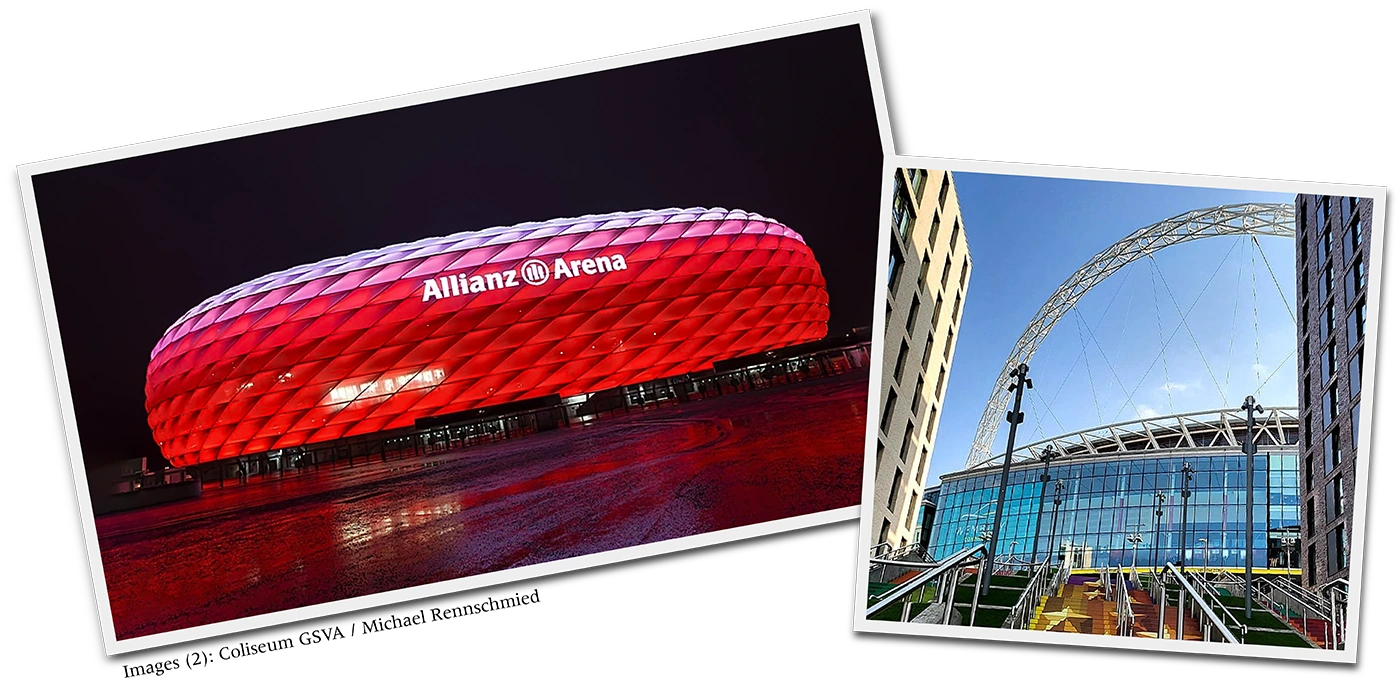
Pietro Chiabrera will present an overview of the Union of European Football Association’s (UEFA’s) updated Stadium Infrastructure Regulations and what they mean in practice for the clubs, the leagues and the stadium owners across Europe.
This session will provide an insight into the evolving compliance requirements, the emerging design and construction standards and how the regulatory frameworks are shaping the future pipeline of stadium developments, from new builds to renovations and upgrades.
Pietro Chiabrera bio Senior Stadium Development Expert, UEFA, Switzerland
-
11:45 am

Tayomara Gama Sports & Entertainment Lead, Europe, Gensler, UK
-
11:55 am
From World Cup stadium to FIBA arena: Fast-track roof conversion at Al Janoub
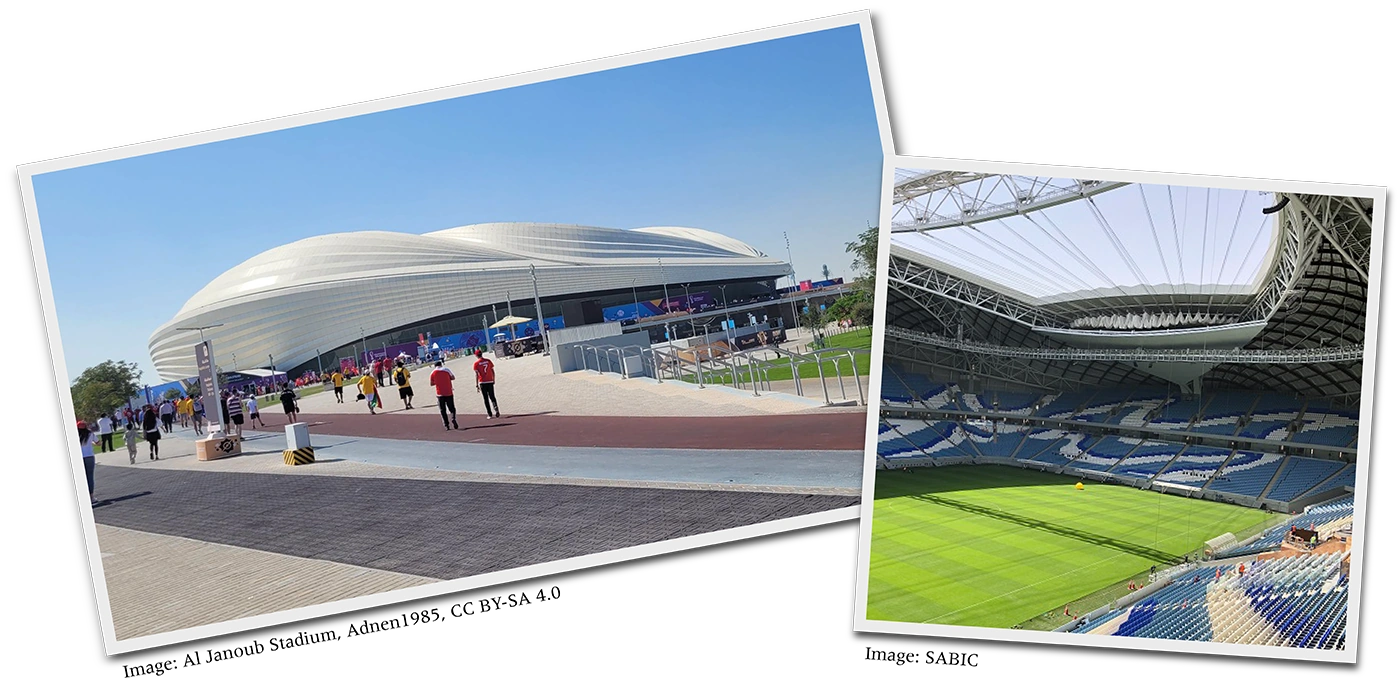
Thomas Hermeking will present a rare case study on the rapid transformation of the 44,325-capacity Al Janoub Stadium in Qatar. Originally delivered as a 44,000-seat venue for the FIFA World Cup™ the stadium is now being converted into an 8,200-seat basketball arena and the main venue for the International Basketball Federation (FIBA) World Cup 2027.
This session will focus on the structural and construction challenges of adapting a retractable, shading-focused roof designed for football into a fully enclosed, opaque and watertight system suitable for elite indoor basketball. Hermeking will share how fast-track engineering, precision planning and close collaboration enable the client’s highly specific performance and timeline requirements to be met.

Thomas Hermeking bio Head of Sales & Preconstruction, PFEIFER, Germany
-
From race track to global stage: Reinventing Circuit Zandvoort through Formula 1
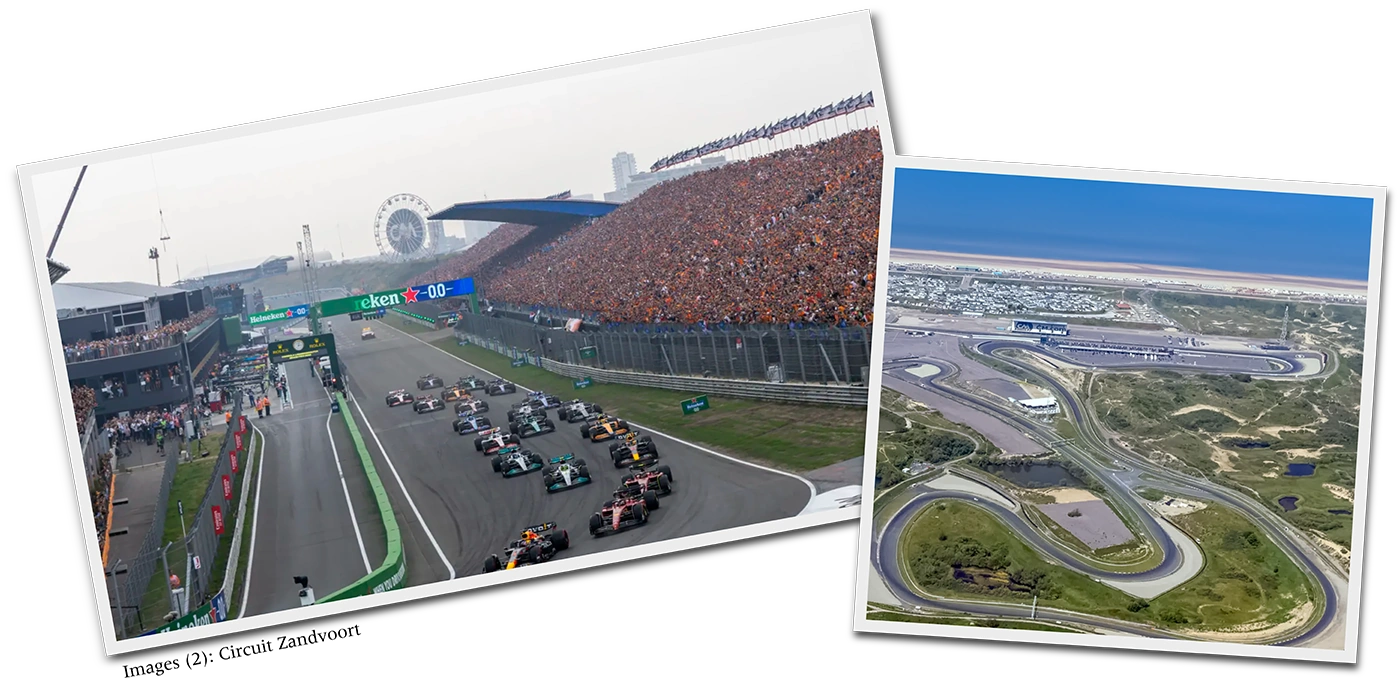
Jeroen van Iersel will share how the return of Formula 1 became a defining turning point in the venue’s evolution. Once a traditional race circuit the 1,05,000-capacity Circuit Zandvoort in Zandvoort, the Netherlands, has been transformed into a contemporary, multifunctional event destination operating on a global stage.
This session reflects on a period of rapid change, bold ambition and reinvention exploring how purpose, relevance and identity were redefined in one of the most complex and high-visibility environments in international motorsport.
Jeroen van Iersel bio MarCom Manager, MASCOT Circuit Zandvoort, Netherlands
-
12:20 pm
Using payment data to understand and reward fan loyalty
 Image: Global Payments
Steve McArdle will share that as the world’s leading card processing provider Global Payments is enabling the venues and the sports organizations to turn everyday transactions into strategic insight. With credit and debit cards now the dominant payment method Global Payments brings together data across ticketing, food and beverage (F&B) and retail merchandise to create a unified view of fan spend.
In this session McArdle will explore how this integrated data stack helps venues better understand fan behavior, reward loyalty, personalize offers, and ultimately drive higher lifetime value transforming payments from a back-office function into a powerful commercial and fan engagement tool.

Steve McArdle bio Director, Stadia and Venues, Global Payments, UK
-
12:35 pm
Driving revenue through premium and suite space optimization
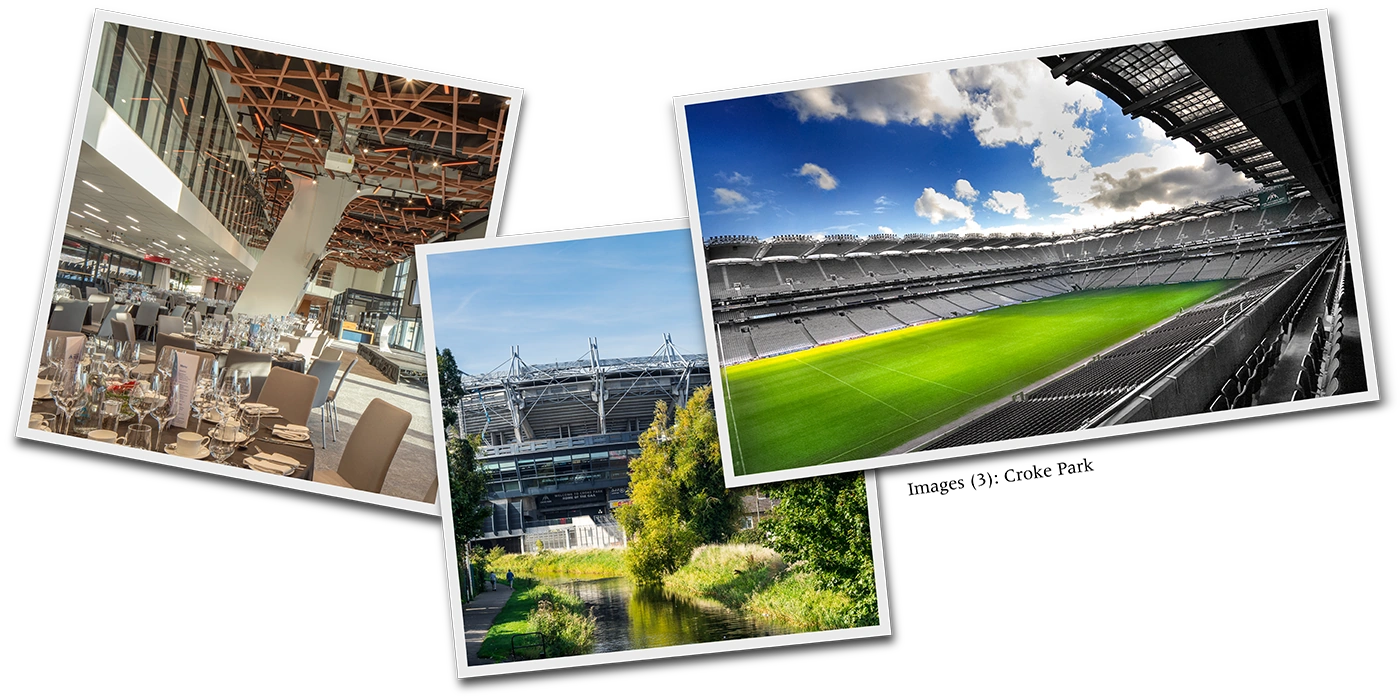
Marie Smyth will share how the 82,300-capacity Croke Park in Dublin, Ireland, has evolved its premium and suite portfolio to unlock stronger and more consistent revenue streams from corporate and event audiences.
Using the Cusack Stand as a case study Smyth will highlight in this session how flexible design, aligned operations and a sharp focus on utilization have increased the commercial performance of stadium spaces beyond matchday maximizing yield across meetings, events and hospitality.

Marie Smyth bio Head of Venue Business, Croke Park, Ireland
-
12:50 pm
Inside the next-generation venue: From US best practice to European delivery
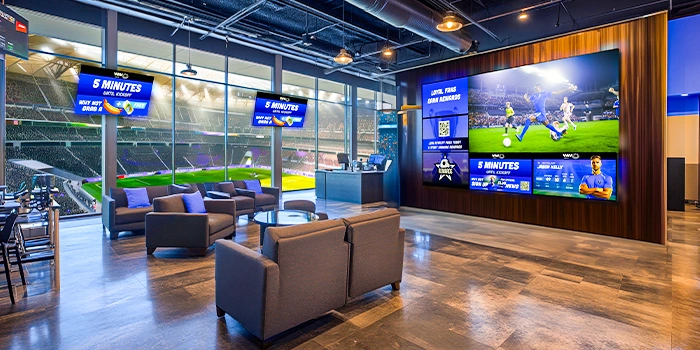 Image: VITEC
Myriam Calaber will explore how lessons from the leading US stadiums are being translated into successful European venue strategies.
This session examines how technology, design integration and operational innovation are shaping next-generation venues highlighting practical examples of how the US best practices can be adapted to European regulatory, commercial and cultural contexts.
Calaber will provide insight into how smart deployment of video and content distribution platforms can enhance communication, efficiency and revenue generation inside the modern stadium environments.

Myriam Calaber bio Sales Director, Europe & Africa, VITEC, France
-
Stadium technology in practice: Digital operations in a challenging venue
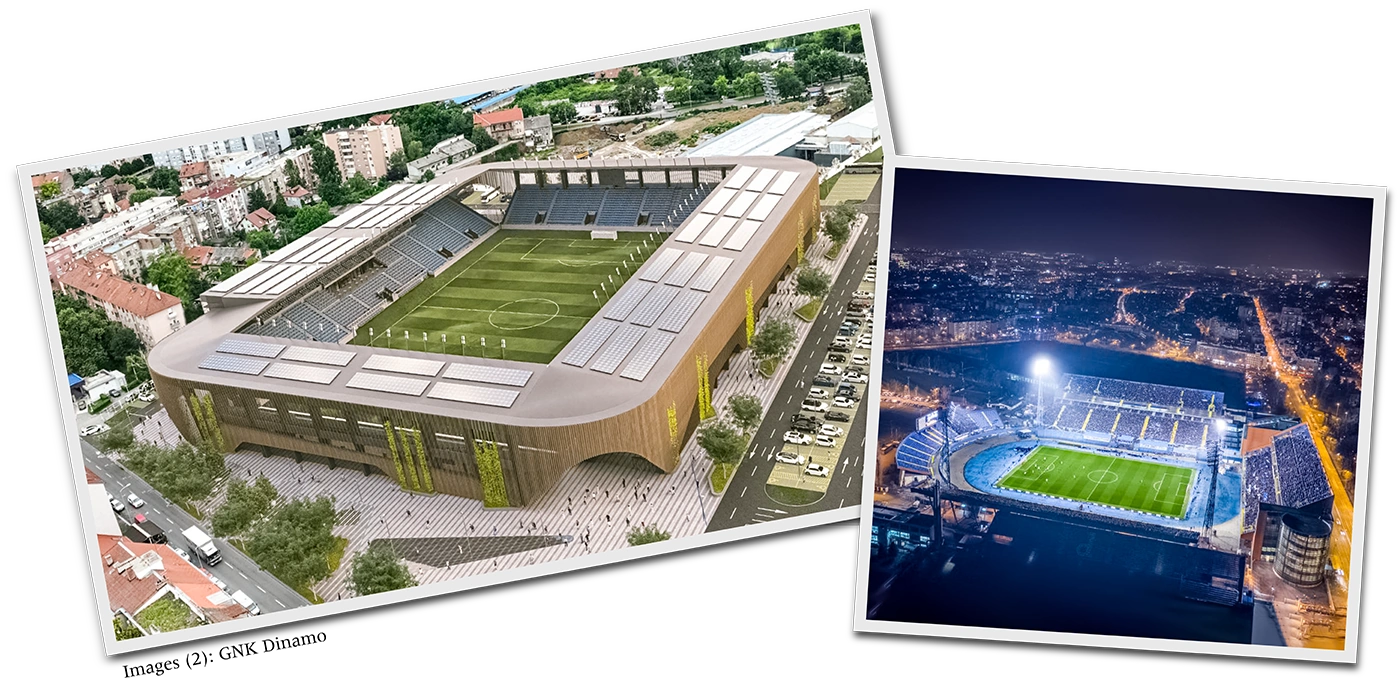
Mate Naletilić will share how the Croatian professional football club GNK Dinamo Zagreb operating under highly challenging stadium conditions is using digital tools to improve day-to-day venue operations and fan engagement.
His case study will demonstrate how Dinamo’s mobile app acts as an operational layer connecting attendance, in-venue behavior and spending into a single fan view despite limited infrastructure and capacity constraints.
This session will also show how building these digital foundations in an aging stadium enables a smooth transition to a new, smaller capacity venue where modern infrastructure immediately unlocks operational efficiencies and enhanced fan experiences.

Mate Naletilić bio Digital Innovation Specialist, GNK Dinamo Zagreb, Croatia
-
1:15 pm
From screens to stories inside the modern sports venue
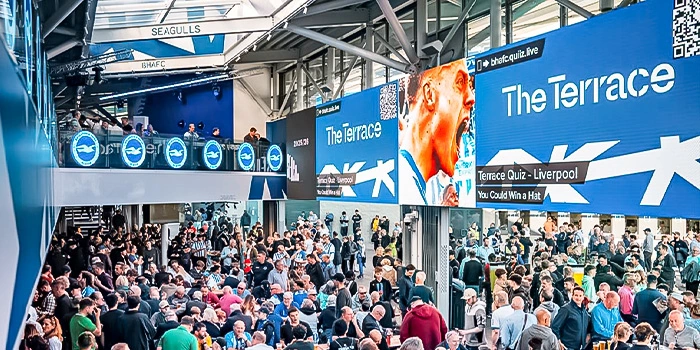 Image: Uniguest
Jordan Pattison will explore how the Internal Protocol Television (IPTV) and the digital signage systems have become a core layer of venue technology. The modern sports facilities are no longer defined by individual screens but by how the entire audio-visual (AV) ecosystems work together to shape the atmosphere, timing and communication across the building.
This session examines why standardization, control and content orchestration often matter more than screen resolution or brightness and how well-designed IPTV and digital signage infrastructures function as the nervous system of the modern venue enabling consistency, flexibility and impact at scale.
Jordan Pattison bio Sales Director, Uniguest, UK
-
2:30 pm
Technology as foundation of the multipurpose venue
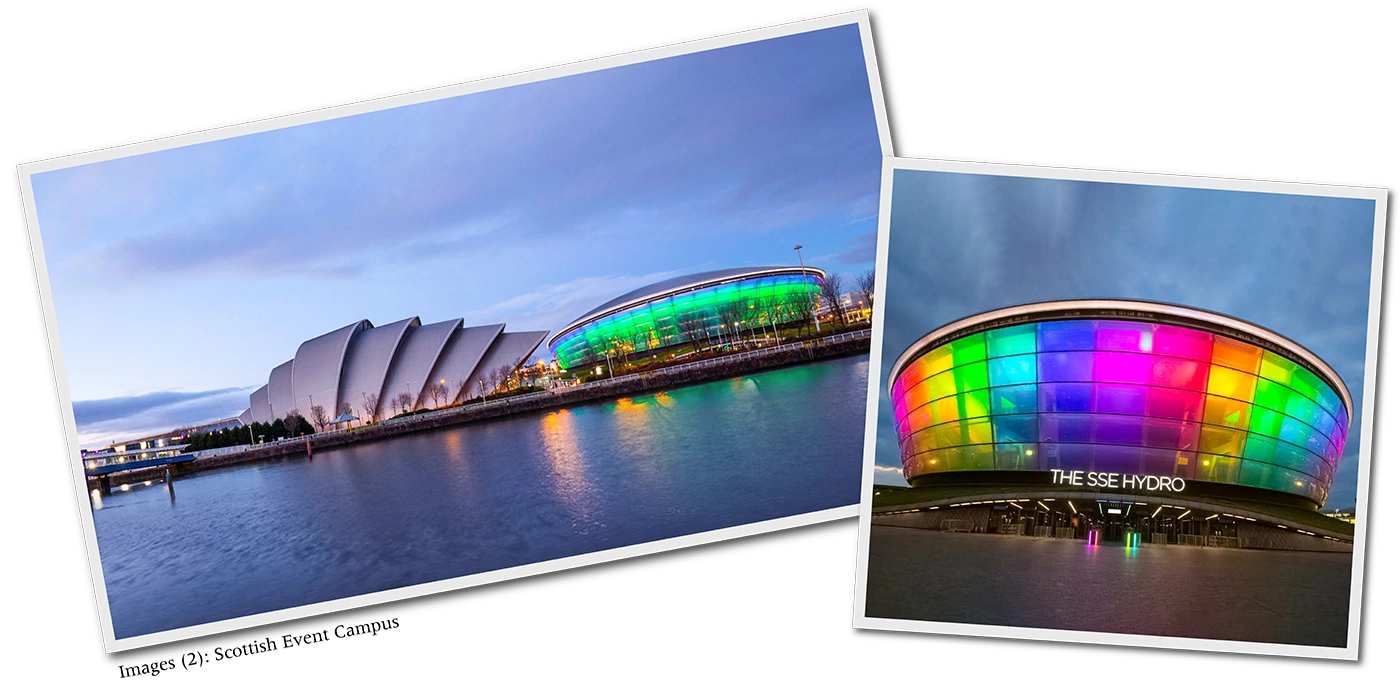
In conversation with Michael Johnston, Adam Douglas will share how technology is enabling the venues to evolve into flexible, multipurpose destinations.
This session will explore how a strong digital and networking foundation supports the integration of sports, concerts, conferences, and hospitality unlocking new, year-round revenue streams.
Drawing on the real-world experience, Douglas will explain how the data-driven infrastructure helps optimize the operations, enhance the visitor journeys and maximize the commercial return across a complex and diverse venue environment.

Adam Douglas bio IT Manager, Scottish Event Campus, UK

Michael Johnston BD Manager, Global Sports & Entertainment, HPE Networking, US
-
2:45 pm
The stadium that thinks
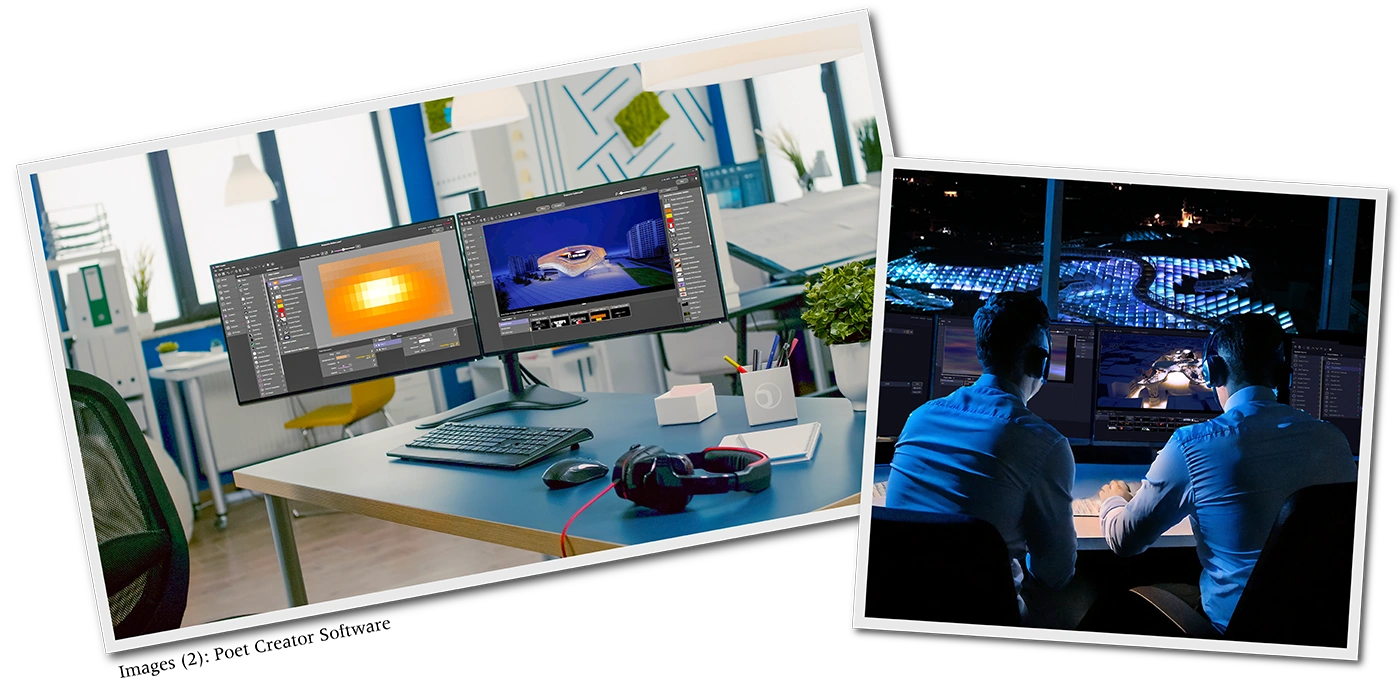
Tapio Rosenius will explore how the stadiums can evolve from static infrastructure into intelligent, responsive systems. By sensing the crowd movement, density and atmosphere in real time the venues can use light, media and sound to actively shape flow and behavior – rather than reacting once the issues arise.
This session will demonstrate how this operational intelligence delivers both experience and efficiency: Reducing congestion, improving safety, optimizing energy use, and increasing dwell time.
Rosenius will also outline how the software-led approaches allow the venues to evolve continuously deploying new scenarios, behaviors and revenue opportunities without physical rebuilding keeping the stadiums adaptive, future-ready and commercially competitive.

Tapio Rosenius bio Founder & CEO, Poet Creator Software, Finland
-
Sustainability at the ‘Home of Cricket’
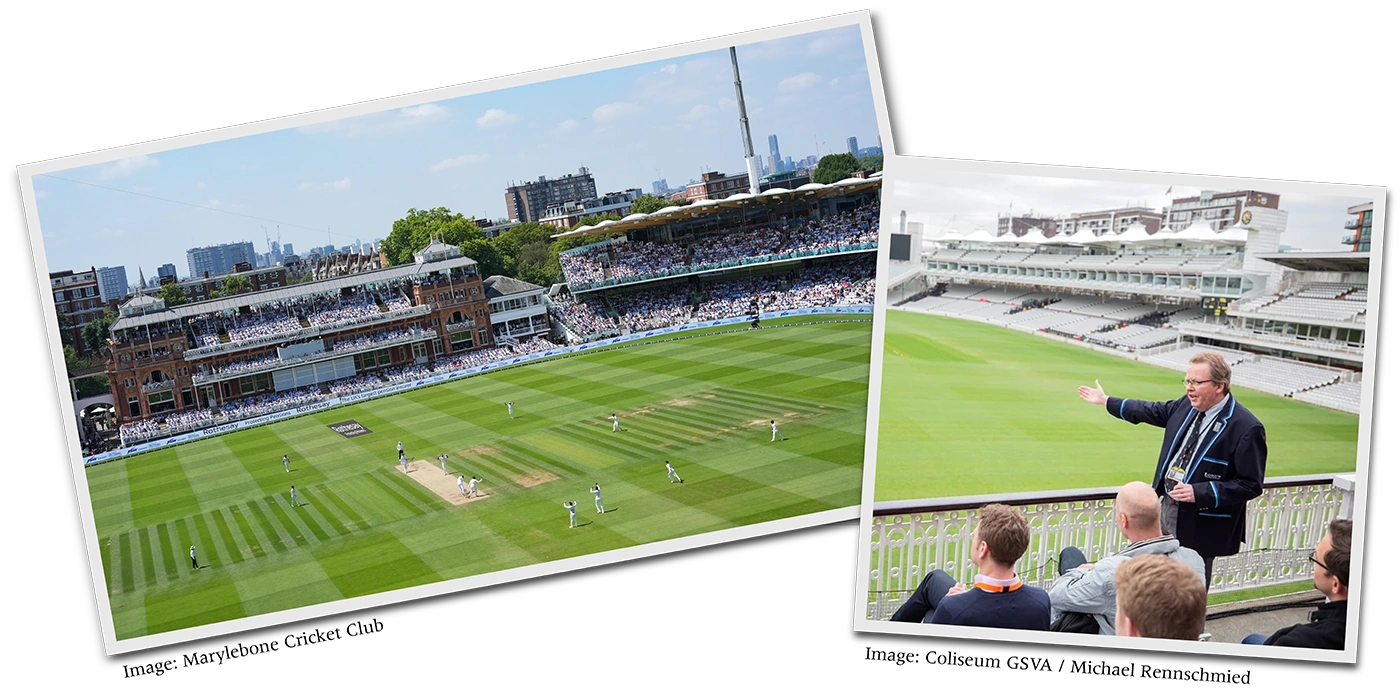
Stuart Dunlop will outline how sustainability at the ‘Home of Cricket’ – the 31,100-capacity Lord’s Cricket Ground in London (UK) – is embedded into everyday venue operations.
This session focuses on managing energy, water, waste, and carbon to support long-term environmental responsibility while maintaining the demands of a world-class sporting venue.
Dunlop will also share how eco-conscious catering, fan engagement and community initiatives are integrated into matchday delivery demonstrating how collaboration and continuous improvement can drive positive environmental and social impact at scale.

Stuart Dunlop bio Sustainability and Accessibility Manager, Lord’s Cricket Ground, UK
-
3:10 pm
From insight to action: Planning decarbonization through circularity
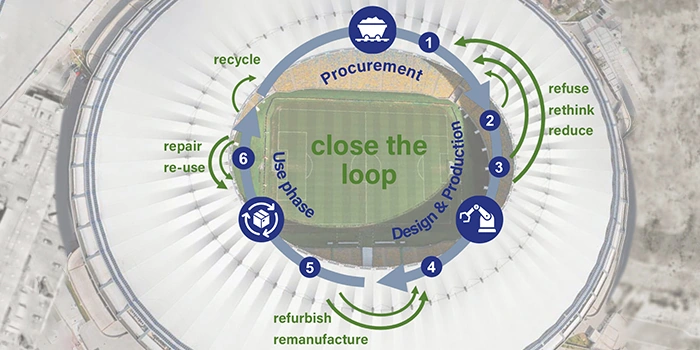 Image: Fatzer AG
Dr. Martin Bechtold continues the sustainability journey by shifting the focus from understanding impact to effective decarbonization planning. Building on principles of durability, quality and efficient material use, this session explores how circular economy thinking can be embedded into long-term strategies.
Dr. Bechtold will highlight why decarbonization is not an overnight transformation but a structured, step-by-step process requiring coordination across design, construction, operation, and supply chains to deliver lasting environmental impact.

Dr. Martin Bechtold bio CEO, Fatzer AG, Switzerland
-
3:25 pm
Practical pathways to venue decarbonization
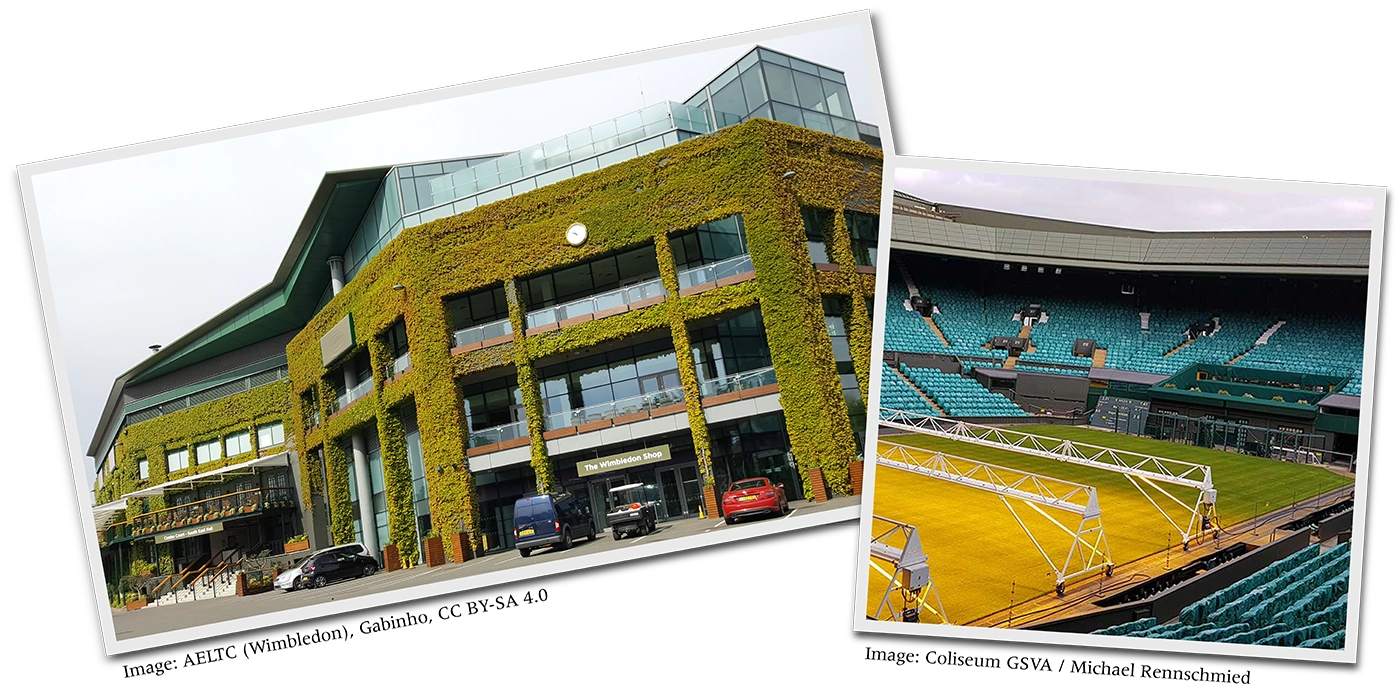
Tom Yearley from the All England Lawn Tennis and Croquet Club (AELTC) will share practical and financially viable pathways to decarbonizing major sports venues.
Drawing on real-world experience from Wimbledon, this session will explore how sustainability goals can be aligned with investment planning, cost control and long-term operational performance turning decarbonization into a deliverable business strategy.
Tom Yearley bio Head of Energy & Environment, AELTC (Wimbledon), UK
-
3:35 pm
Delivering broadcast-grade lighting during live stadium reconstruction
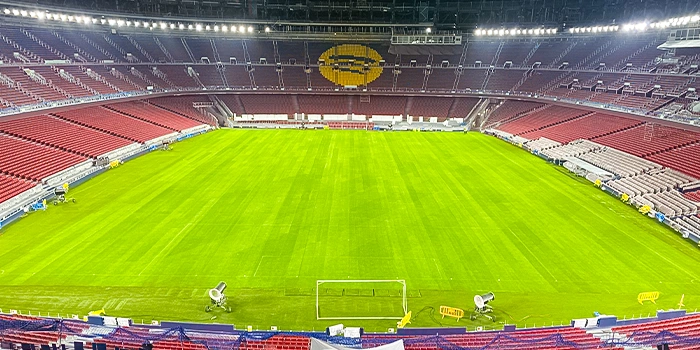 Image: Signify
Niels Geven will present a technical deep dive into delivering the Union of European Football Associations (UEFA)- and LaLiga-compliant broadcast-grade lighting at the 99,354-capacity Spotify Camp Nou in Barcelona, Spain, while major reconstruction works were still underway.
This session explores how one of the world’s most iconic stadiums was brought back into operation without compromising on the performance standards.
Geven will outline the strategic planning, the engineering solutions and the coordination required to integrate high-performance lighting within an active construction environment demonstrating how the complex renovation projects can meet the elite competition and the broadcast requirements under demanding timelines.

Niels Geven bio International Director Sports & Arenas, Signify, Netherlands
-
Operating a multievent stadium in a complex public context
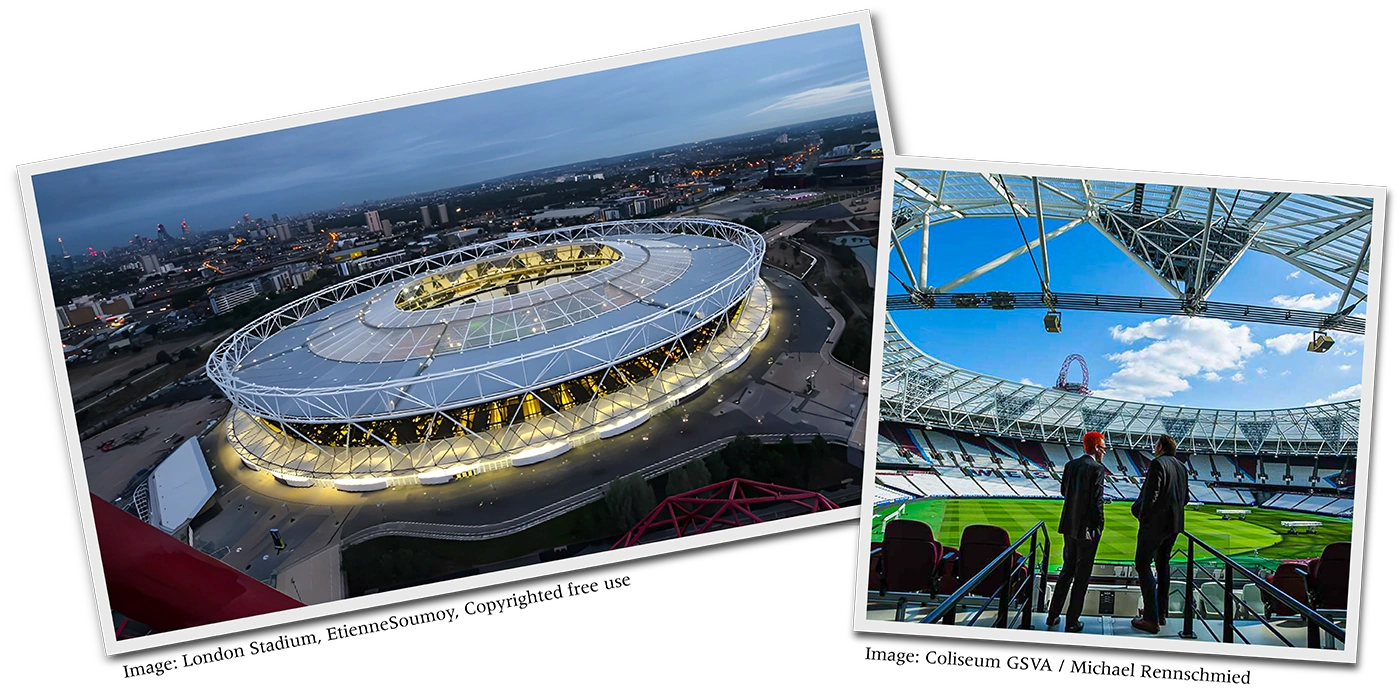
In conversation with Neil Levett, Graham Gilmore will reflect on the 68,013-capacity London Stadium (UK) journey from its 2012 opening through its transformation for club tenancy and into today’s business-as-usual operations.
The discussion will focus on how leadership, operational discipline and strategic programming can drive performance in a high-profile public venue.
This session will highlight the realities of managing a truly multiuse stadium from hosting football, athletics, baseball, and large-scale entertainment within tight timeframes to developing the fan zones and the flexible event spaces. Gilmore will also share perspectives on the future plans and the ongoing improvements aimed at strengthening the value for the promoters, the athletes, the artistes, and the spectators alike.
-
4:05 pm
Powering the NFL in Europe: Delivering temporary electrical ecosystems at scale
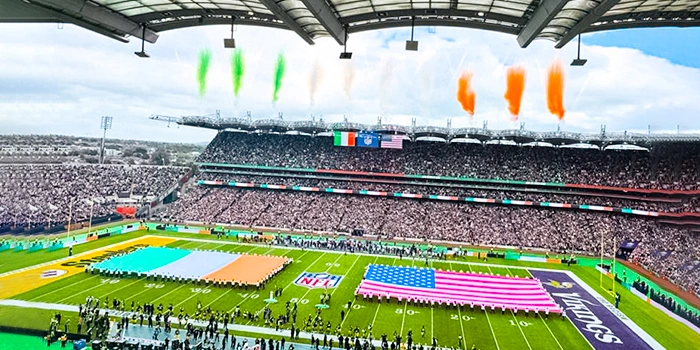 Image: ME Engineers
John McDermott will examine what it truly takes to host a National Football League (NFL) game in a European football stadium.
Far beyond adapting field markings this session will explore how a temporary but highly resilient electrical ecosystem must be designed and delivered to support one of the world’s most demanding live sports productions.
McDermott will outline the challenges of providing reliable, high-capacity power within tight timeframes, aligning the NFL operational standards with the European regulations, the local authority requirements, and the constraints of the existing venues. When executed successfully the overlay remains invisible: Uninterrupted broadcast, the seamless fan experience and a stadium that returns to normal as if nothing extraordinary had occurred.

John McDermott bio Senior Associate, ME Engineers, UK
-
4:50 pm
State of the industry: Who’s building?
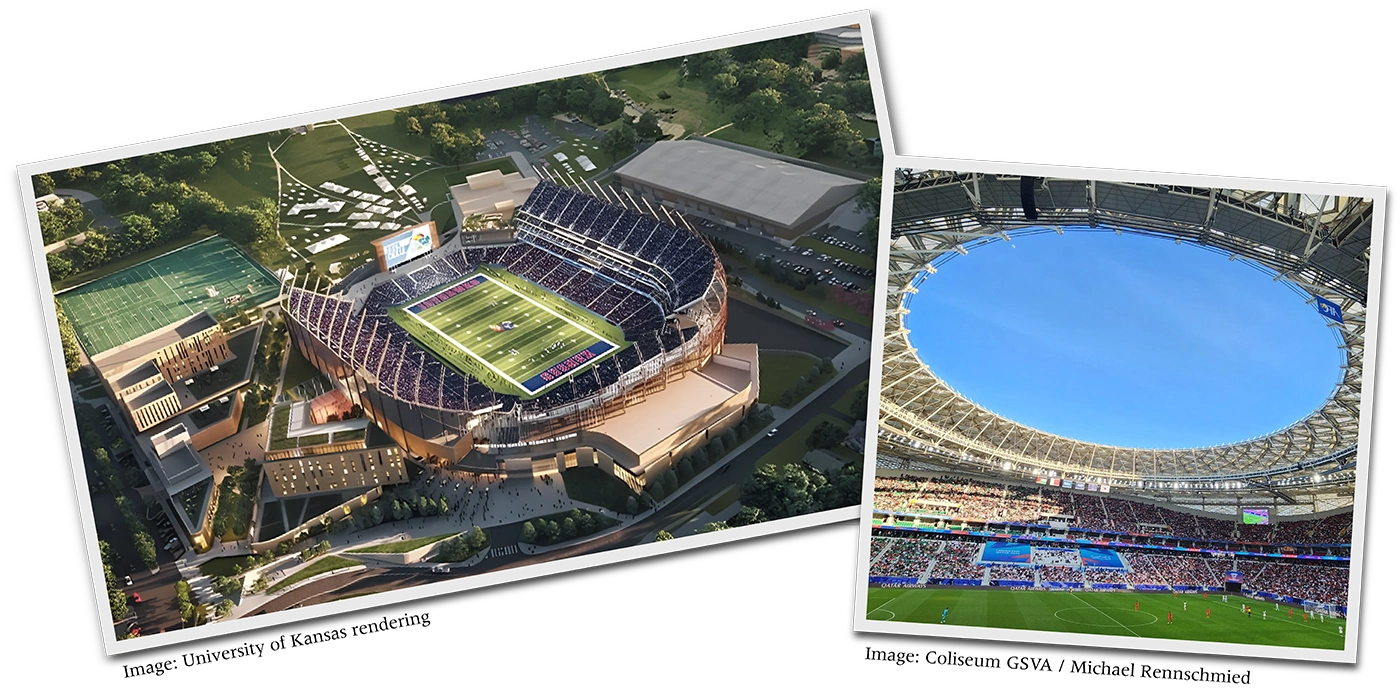
Rob Hunden will narrate in this conference about Hunden Partners, a firm which has provided market and feasibility, impact and planning expertise for more than 1,000 projects over 30 years.
He will also talk about the 2026 state of the industry detailing venue and district developments, the industry growth and the performance data from around the world.

Rob Hunden bio President, Hunden Partners, US
-
5:05 pm
Overcoming structural constraints in stadium sound design
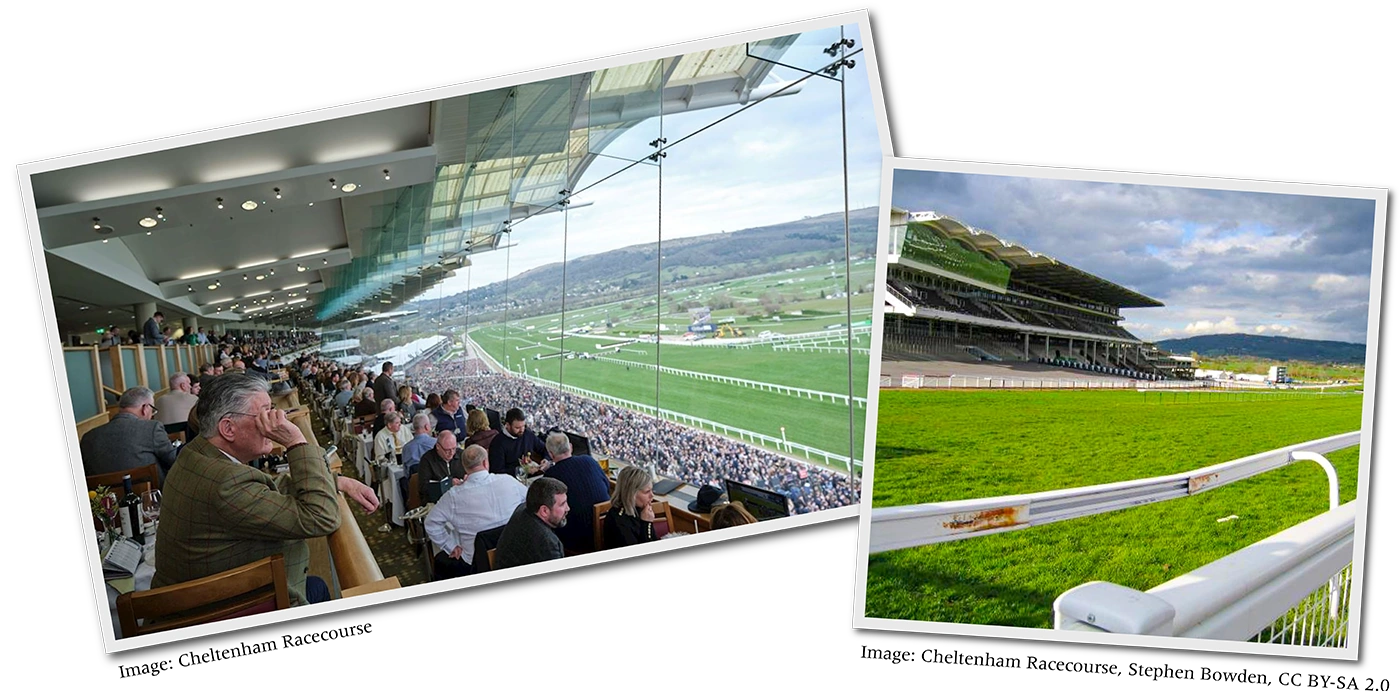
Ian White will share how collaboration between the consultants, the integrators and the technology partners can overcome the structural and architectural limitations in the complex sports venues.
This session will look at how the modern public address (PA) systems are being designed with flexibility and operational simplicity in mind.
White will outline how the open platforms and the third-party integration including Q-SYS (a cloud-manageable audio, video and control [AV&C] platform) support more efficient venue management while the networked audio solutions such as AES67 (an open, high-performance Audio-over-IP [AoIP] standard) enable scalable deployment over standard information technology (IT) infrastructure.
White will outline how the open platforms and the third-party integration including Q-SYS (a cloud-manageable audio, video and control [AV&C] platform) support more efficient venue management while the networked audio solutions such as AES67 (an open, high-performance Audio-over-IP [AoIP] standard) enable scalable deployment over standard information technology (IT) infrastructure.

Ian White bio BD Global Lead, Sports Facilities, L-Acoustics, US
-
Designing stadiums for the Women’s game
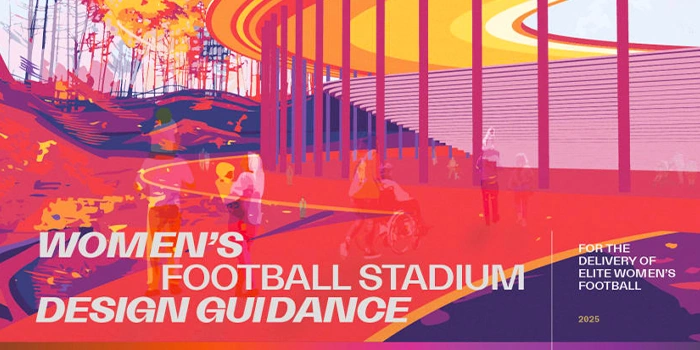 Image: WSL
Hannah Buckley will present the Women’s Super League (WSL – the highest level of women’s football in England [UK]) new stadium design guidance, a world-first framework developed specifically for elite Women’s football.
This session explores how the rapid growth of the Women’s game is challenging the long-established stadium design assumptions and why the venues historically designed for Men must evolve to better serve the female athletes, the supporters and the families.
Buckley will outline how the guidance supports the clubs and the local authorities in upgrading the existing venues, unlocking the main stadiums and planning new facilities that are inclusive, accessible, safe, and future-ready placing the needs of the women at the heart of stadium design.

Hannah Buckley bio Head of Infrastructure, Safety and Sustainability, WSL Football, UK
-
5:30 pm
Protecting the pitch while maximizing event calendars
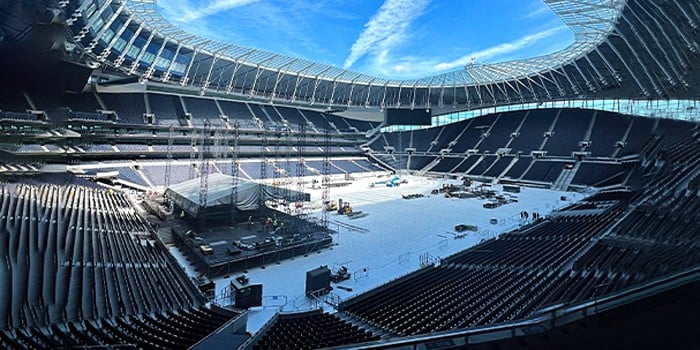 Image: Terraplas
In a conversation with Neil Levett, Alex Goldsack will address one of the defining challenges of the modern stadium operations: How to host a growing number of non-sporting events without compromising on the quality and performance of the playing surface.
Drawing on the real-world experience at the Premier League team Tottenham Hotspur F.C.’s home stadium – the 62,850-capacity Tottenham Hotspur Stadium in London (UK) – Goldsack will share how the advanced pitch protection strategies have enabled a diverse, year-round event program since 2019.
The discussion will cover the practical considerations such as the installation and removal times, the manpower requirements, the surface health, and the key decision criteria for the venues looking to increase utilization while safeguarding their most valuable asset.
-
5:40 pm
Advancing operational excellence in a high-complexity stadium environment
 Image: 24/7 Software
Rebekah Murphy will share how the 62,850-capacity Tottenham Hotspur Stadium in London (UK) has strengthened its operational performance within one of the world’s most complex live event environments.
This session will explore how the integrating multidisciplinary operational functions spanning safety, facilities and the guest operations has improved the coordination, responsiveness and decision-making during high-pressure events.
Drawing on the real-world experience, Murphy will highlight the key challenges, the practical solutions and the transferable lessons for the large venues seeking greater resilience, efficiency and operational control.

Rebekah Murphy bio Senior Director, 24/7 Software, UK
-
5:50 pm
Redeveloping the City Ground: Nottingham Forest’s next chapter
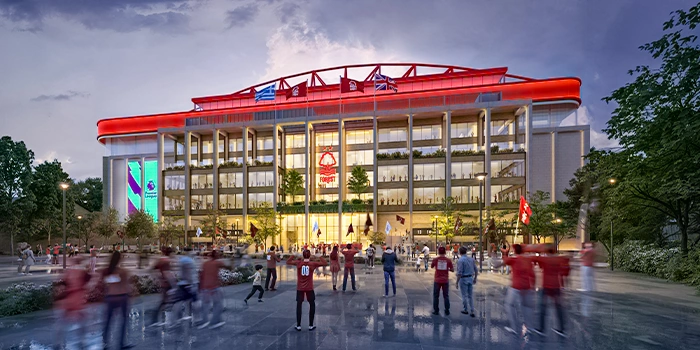 Image: @NFFC Nottingham Forest on X
Lina Souloukou and Konstantinos Chatzimanolis will present the Premier League team Nottingham Forest F.C.’s vision for the major redevelopment of their residence – the 31,042-capacity The City Ground in England (UK) – the club’s historic home for more than 120 years.
This session will provide an insight into the newly submitted planning proposals outlining how a phased expansion to over 50,000 seats is being shaped around sustainability, urban integration and the long-term economic impact.
Set on the banks of the River Trent, the project illustrates how a heritage stadium can be transformed into a future-ready venue while strengthening its role within the City and the wider region.
-
6:30-8 pm
International networking reception
Be our guest at the networking evening on the opening day of the summit. Your delegate pass will give you open access to the gathering from 6:30 pm to 8 pm where you can enjoy drinks and network with the other fellow delegates.
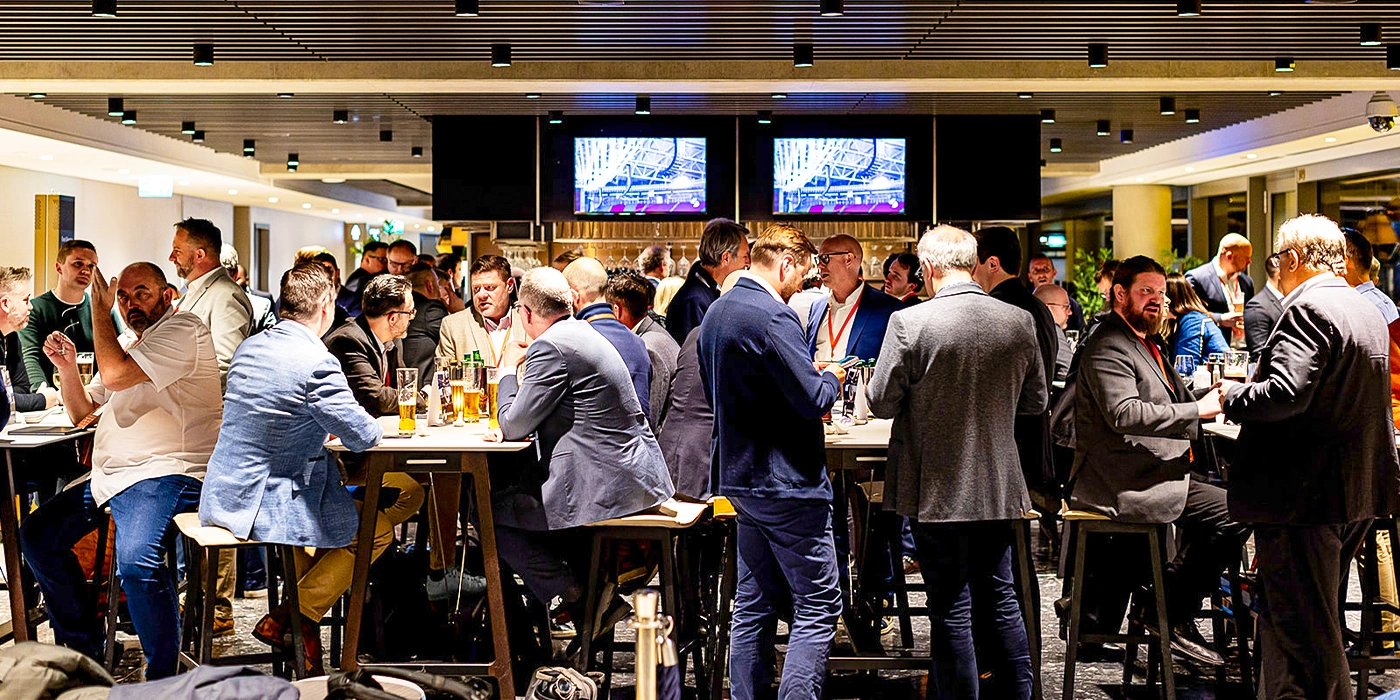 Image: Coliseum GSVA / Michael Rennschmied








-
8:45 am
Opening key-note
-
Safety, security and access at FIFA World Cups™ in a geopolitical context
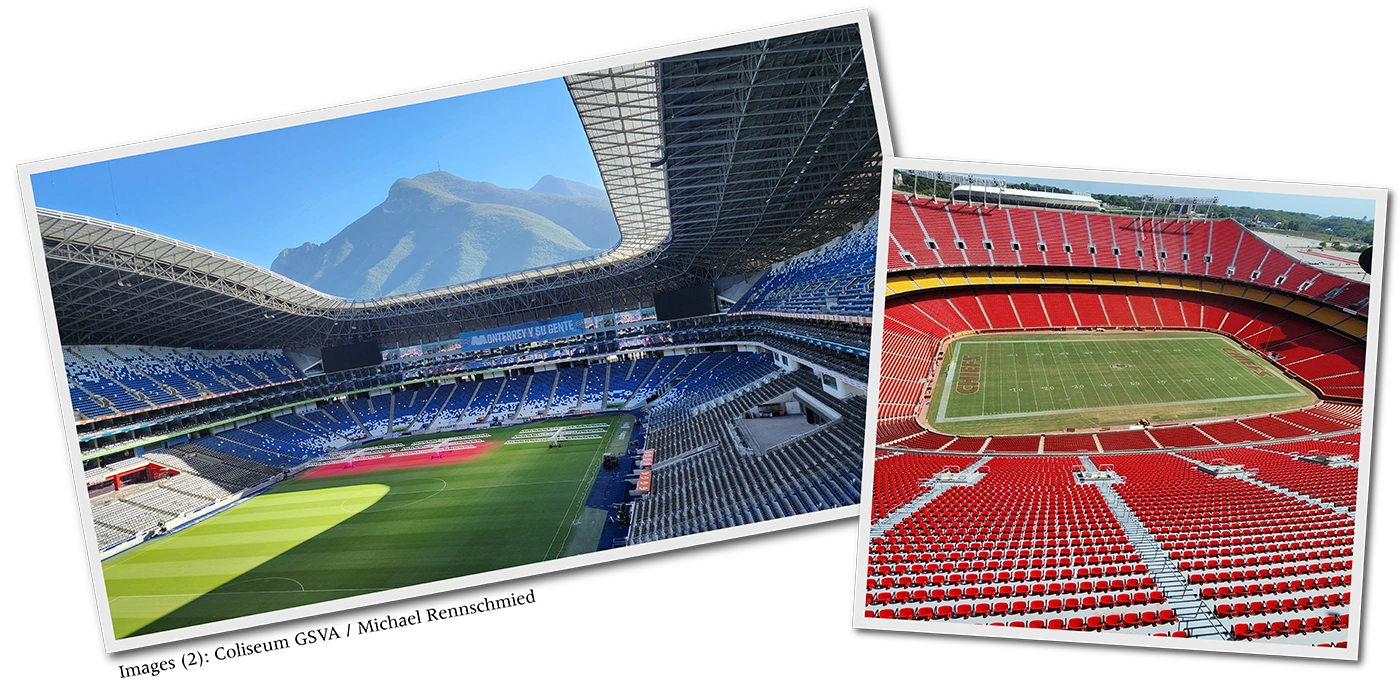
Helmut Spahn in an engaging conversation with Jacob Lutz will address the evolving challenges and opportunities of delivering safe, secure and accessible FIFA World Cups™ in an increasingly complex geopolitical environment.
This session will reflect on the upcoming FIFA World Cup 2026™ to be held across United States, Mexico and Canada and will provide an outlook toward the 2030 edition to be hosted across three continents and six countries.
Spahn will highlight how the multicountry tournaments are reshaping safety planning, cross-border coordination and access management at the highest level of global sport.
-
9:25 am
Hard FM in stadiums versus other industries: Lessons and best practice
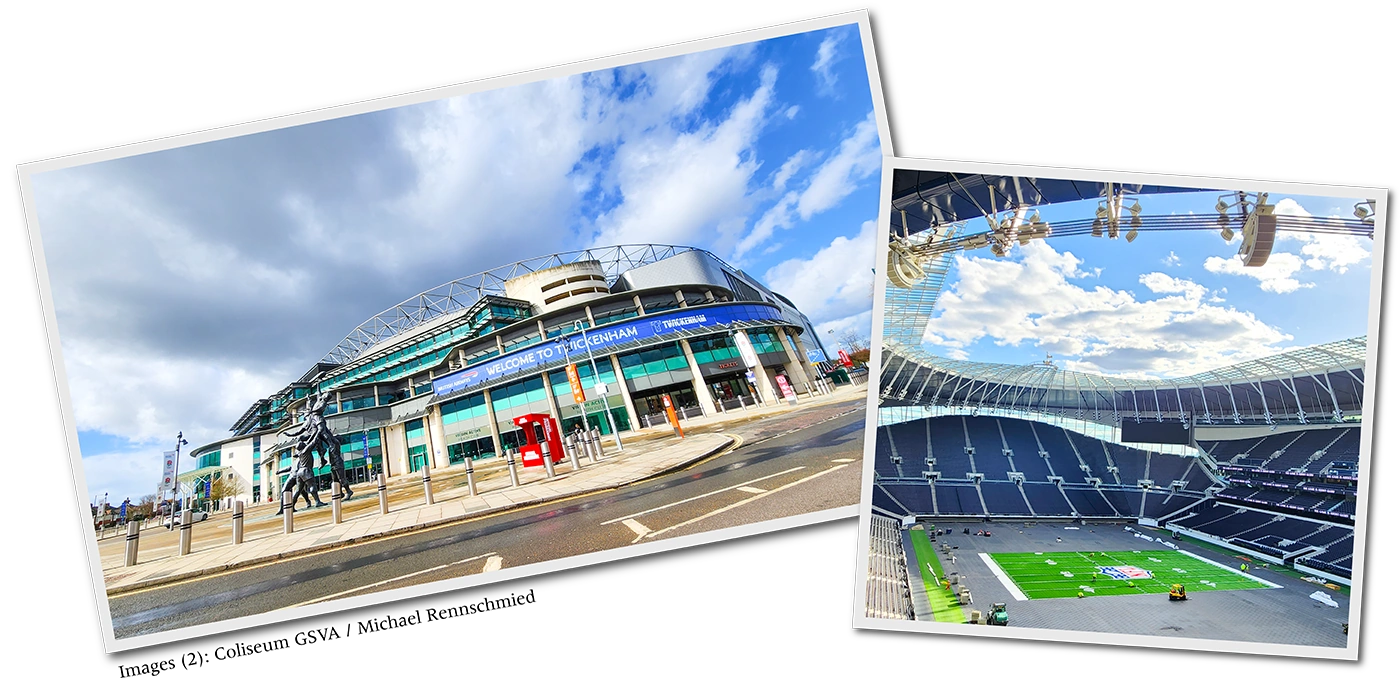
Brodie Robb and Denis Yeoman will examine how delivering hard facilities management (FM) services in the stadiums differs from the other asset classes.
This session will compare the operational complexity, the event-driven pressures and the lifecycle demand of the sports venues with those of the commercial and industrial environments.
Drawing on the practical examples, Robb and Yeoman will outline the best practices for managing risk, performance and compliance in the stadia highlighting how the structured facilities management (FM) strategies can support resilience, efficiency and the long-term asset value.
-
9:40 am
Managing safety, security and service during live construction
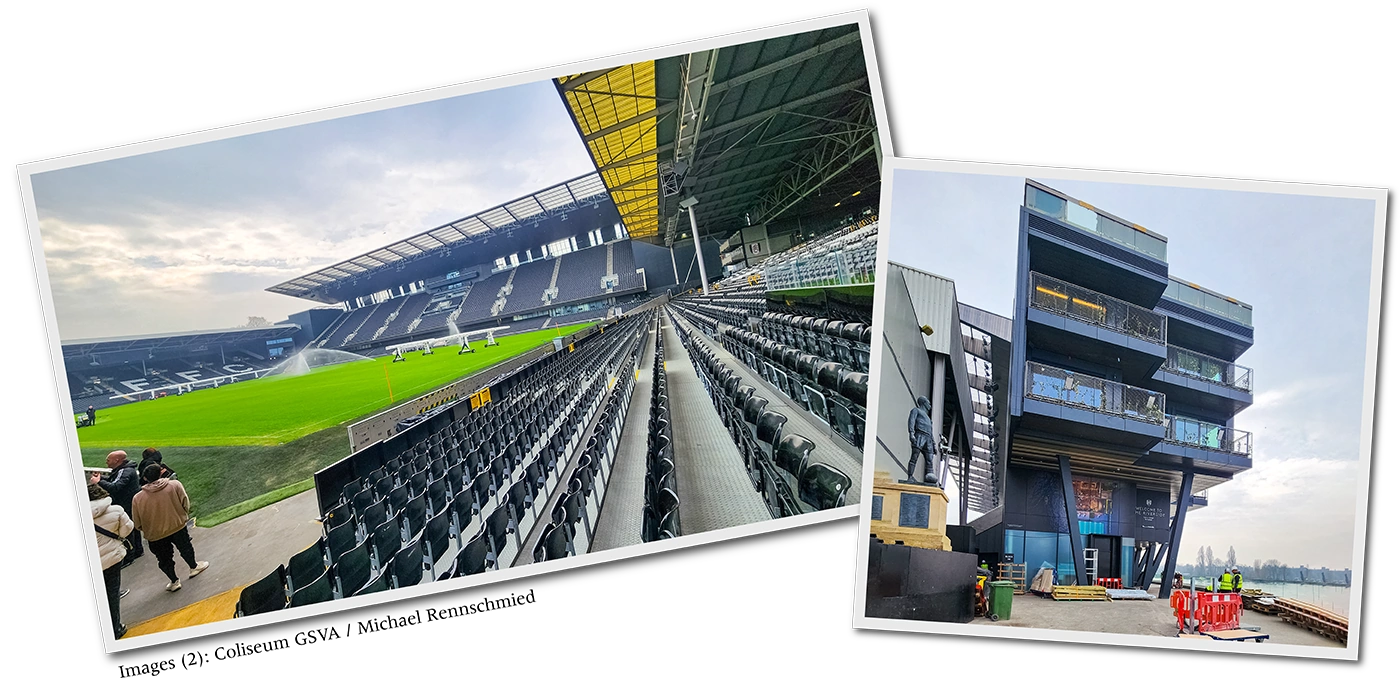
John D’Arcy will share first-hand insight into managing safety, security and service delivery during the construction of the Premier League team Fulham F.C.’s new grandstand at the Fulham Pier (a major new £100m+7-level riverside destination in West London [UK]).
This session focuses on the challenges of operating a live stadium while major construction is underway balancing matchday safety, crowd management, contractor activity, and the fan experience.
D’Arcy will outline the key lessons learned, the coordination requirements and the practical measures that can be applied to the other venues undergoing phased redevelopment or expansion.

John D’Arcy bio Head of Safety, Fulham FC, UK
-
9:55 am
Building a connected stadium: Mobile infrastructure at Craven Cottage
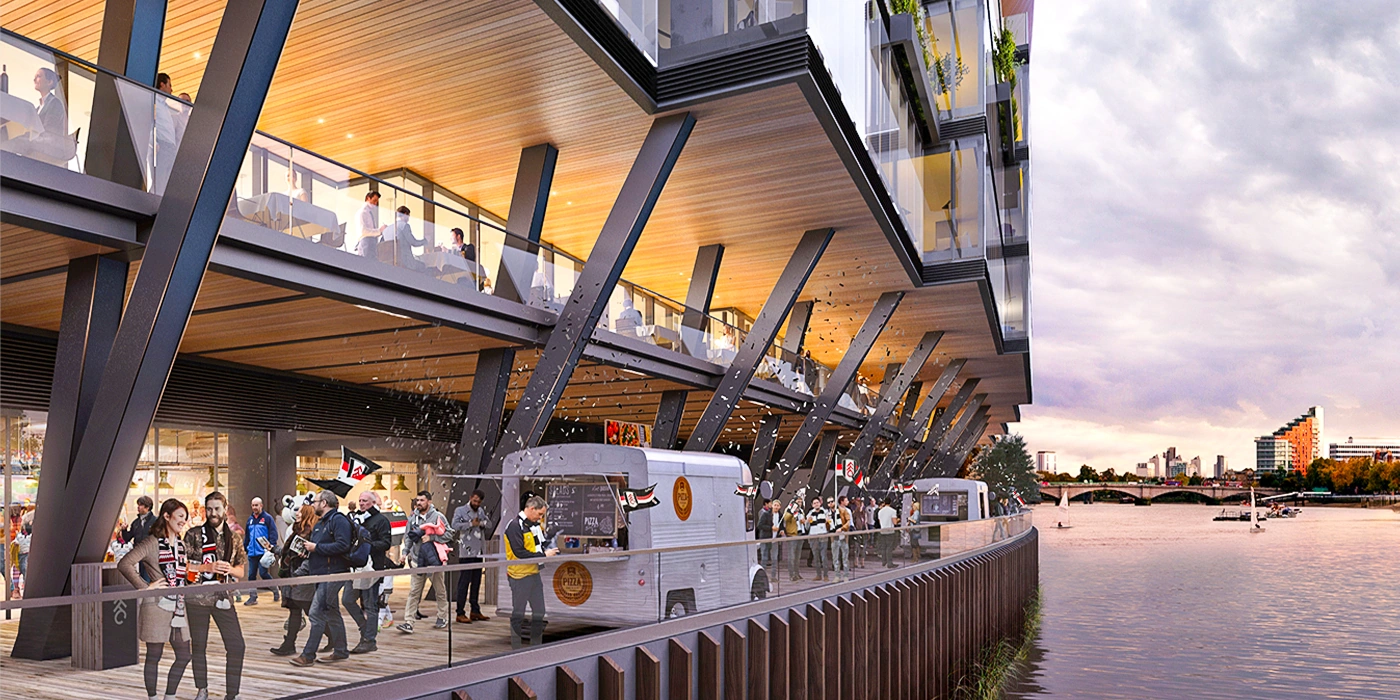 Image: Fulman Pier
In conversation with Duncan Wall, Darren Preston will share how the advanced mobile connectivity is supporting the evolution of the 29,589-capacity Craven Cottage in London (UK) into a fully connected, next-generation venue.
This session will explore how the modern mobile networks enable new services, richer fan engagement and additional commercial opportunities.
Preston will also highlight the importance of collaboration between the stadium owners, the mobile operators and the neutral hosts to deliver scalable, future-ready connectivity that meets the growing demands of both the fans and the venue operations.
-
Redefining premium and commercial strategy in the modern stadium
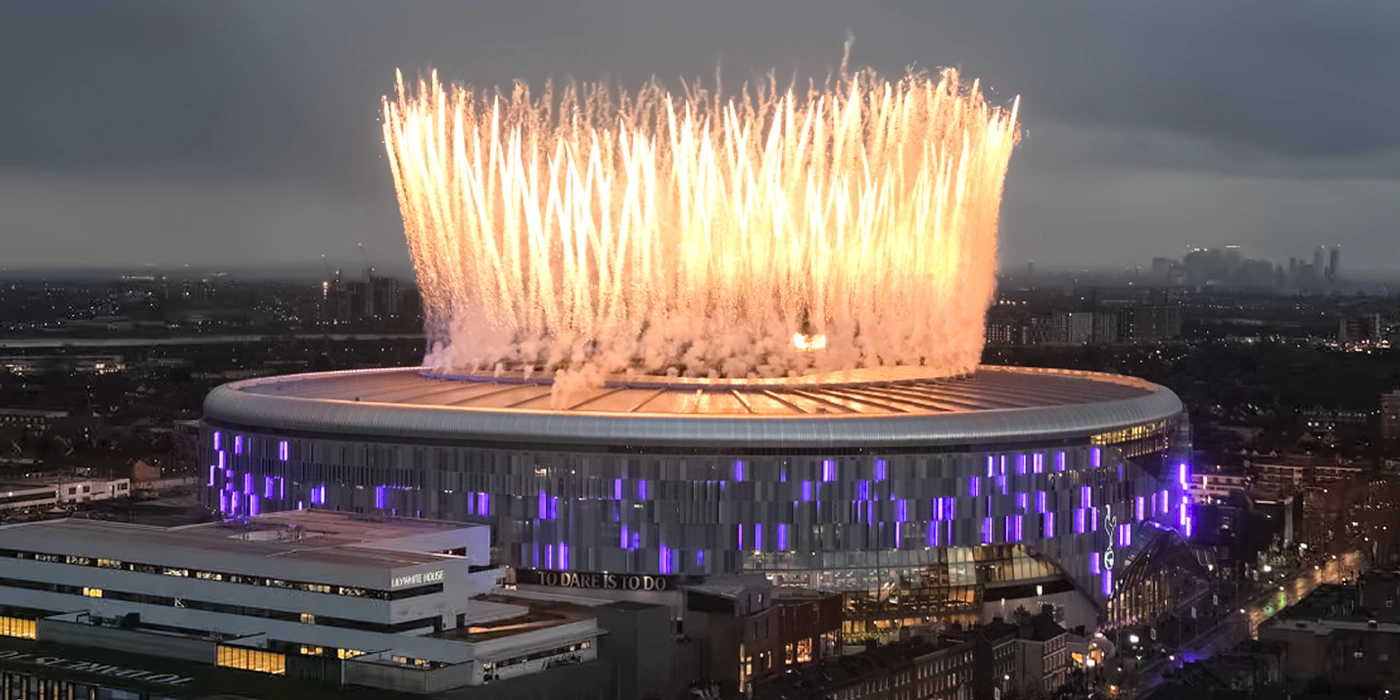 Image: Tottenham Hotspur
Guy Hough will share how one of the world’s leading venues – the 62,850-capacity Tottenham Hotspur Stadium in London, England, UK – is redefining the role of the modern stadium as a year-round sport and entertainment destination.
This session explores how the technology-led innovation and the 360-degree data intelligence are shaping the commercial strategy, unlocking new premium and revenue models and driving the sustainable audience growth.
Hough will also discuss how the Premier League team – the Tottenham Hotspur F.C. – continues to balance innovation with heritage ensuring that the club’s identity and sporting ambition remain at the heart of every decision.

Guy Hough bio Head of Premium Sales, Tottenham Hotspur, UK
-
10:25 am
Delivering complex interiors within a live stadium environment
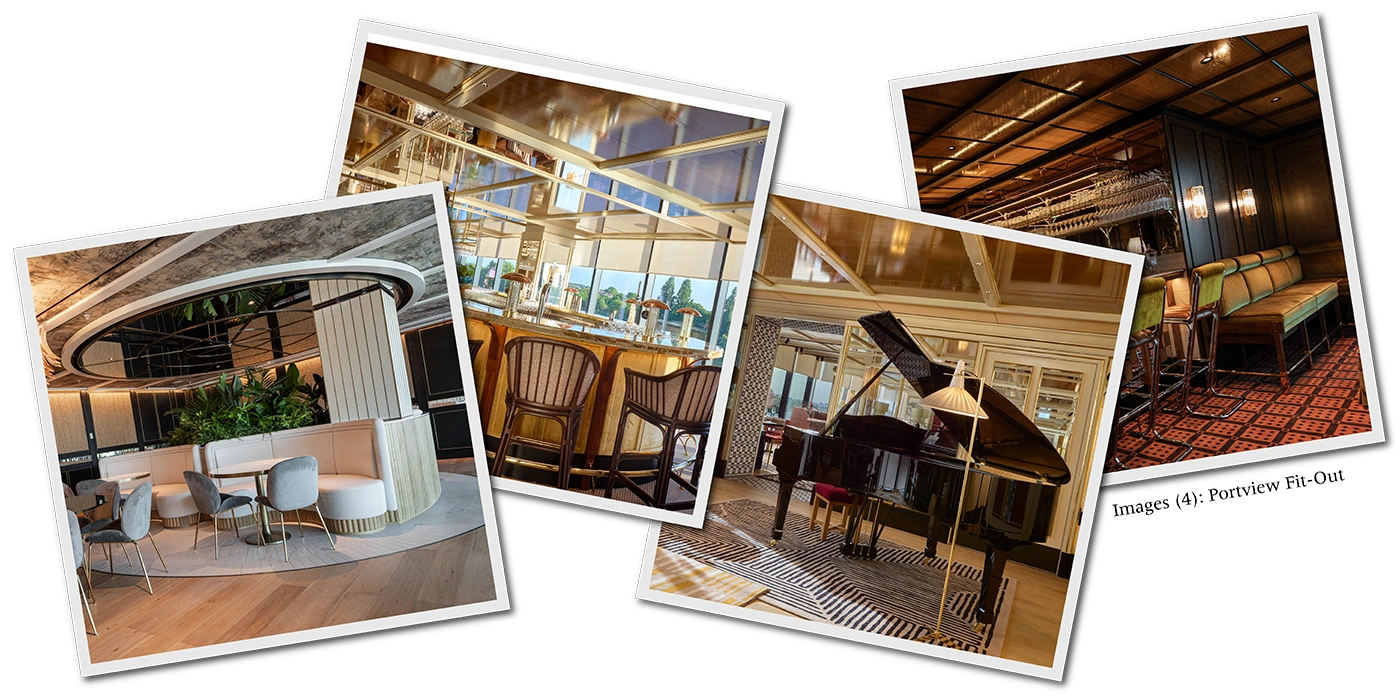
In conversation with Paul Lavery, Paul Scullion will share how a highly collaborative approach between the interior Architects and the contractor design teams delivered a distinctive range of interiors within the Premier League team Fulham F.C.’s Riverside Stand at their home ground – the 25,700-capacity Craven Cottage in Fulham (UK).
The discussion will also explore the practical realities of delivering a major interior fit-out within a live stadium environment, covering the matchday operations, safety management, logistics, and the trading considerations.
This session will be a candid insight into how design ambition and operational discipline can be aligned on complex, high-profile sports venue projects.
-
11:15 am
Sav Rathour Head of Premium Services, Arsenal FC, UK
-
11:30 am
Designing the fan experience from seat to stadium

Steve Burgess will outline how the role of seating is evolving from a product to a platform for the overall fan experience.
This session explores how integrated thinking across seating, acoustics, visuals, and architecture can shape a unified and immersive environment.
Burgess will also share how the venues can design experiences that start at the seat and extend across the entire building creating consistency, comfort and engagement from the first row to the last pixel.

Steve Burgess bio Vice-President, Sales, Series Seating, US
-
Service-led culture as the foundation of stadium safety
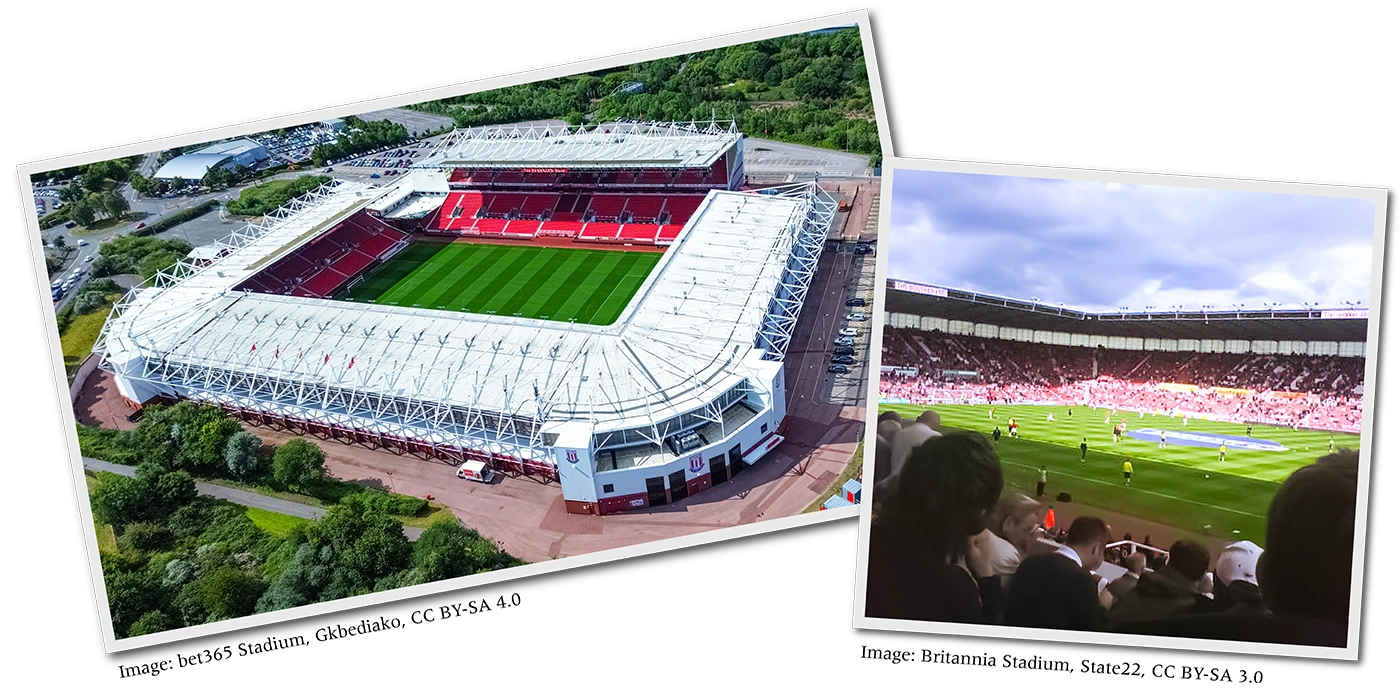
Anthony Emmerson will demonstrate how a strong service culture can become one of the most effective safety tools in the modern stadiums.
This session explores how proactive communication and meaningful supporter relationships – before and during the events – strengthen both safety outcomes and the overall fan experience.
Emmerson will outline a transferable framework ensuring that every interaction, whether delivered by the full-time staff, or the matchday colleagues, reflects consistent care, professionalism and pride. These methods have contributed to both the English Football League (EFL) Championship teams Middlesbrough F.C. and the Stoke City F.C. (UK) being recognized among the top EFL clubs for supporter care.
Anthony Emmerson bio Head of Supporter Experience, Stoke City FC, UK
-
12 pm

James Ransome bio Sr. BDM, Sports & Live Events EMEA, Ross Video, UK
-
12:15 pm
-
12:30 pm
Layering experience: Interiors that motivate the modern club workforce
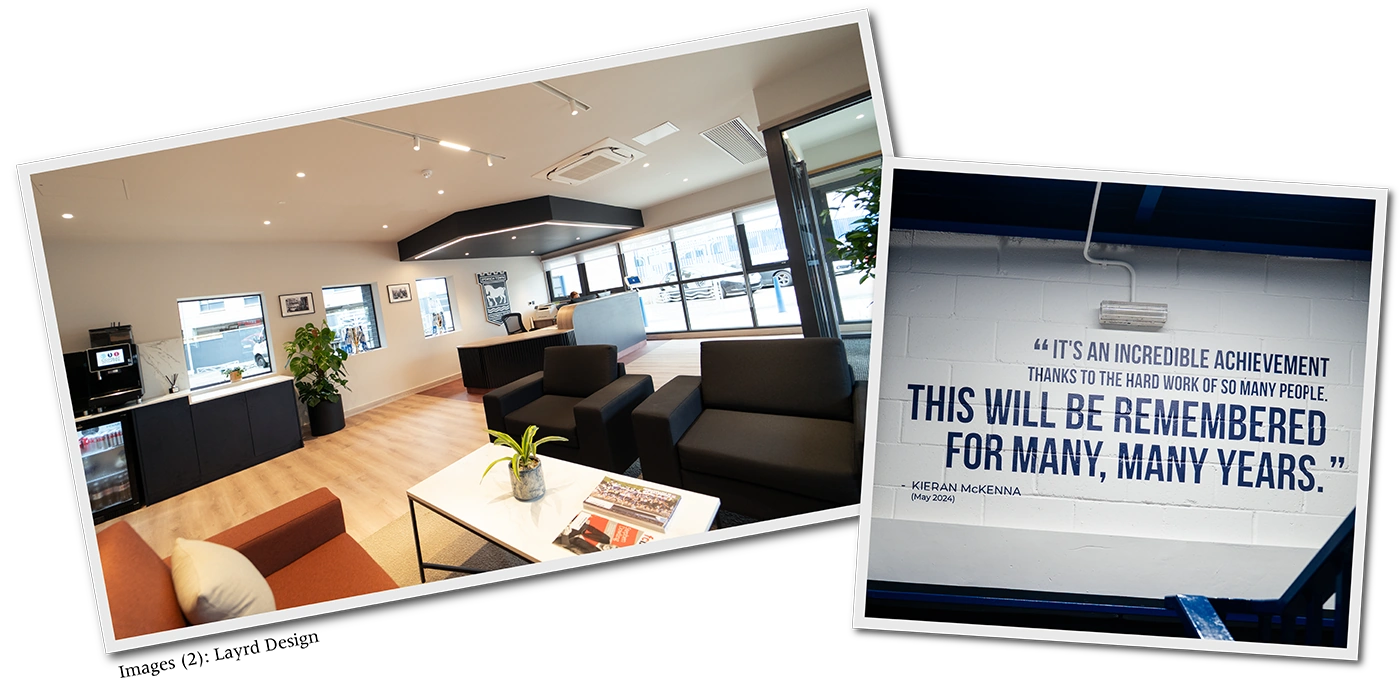
William Mayes will explore how experience-led interior design can shape the environments where the club employees spend most of their time. While the elite stadiums are designed to inspire the fans, this session looks behind-the-scenes at the offices, the operation hubs, the player support areas, and the executive spaces.
Drawing on the principle of “layering experience”, Mayes will explain how spatial storytelling, materials, lighting, and sensory design can reinforce a club’s identity and ambition. When the staff are immersed in the spaces that reflect the values, the heritage and the future vision, the engagement deepens, pride grows and the performance improves.
This session will also reframe the back-of-house interiors as the strategic cultural assets rather than purely functional spaces.
William Mayes bio CEO & Founder, Layrd Design, UK
-
Enhancing the experience for brands, bands and fans
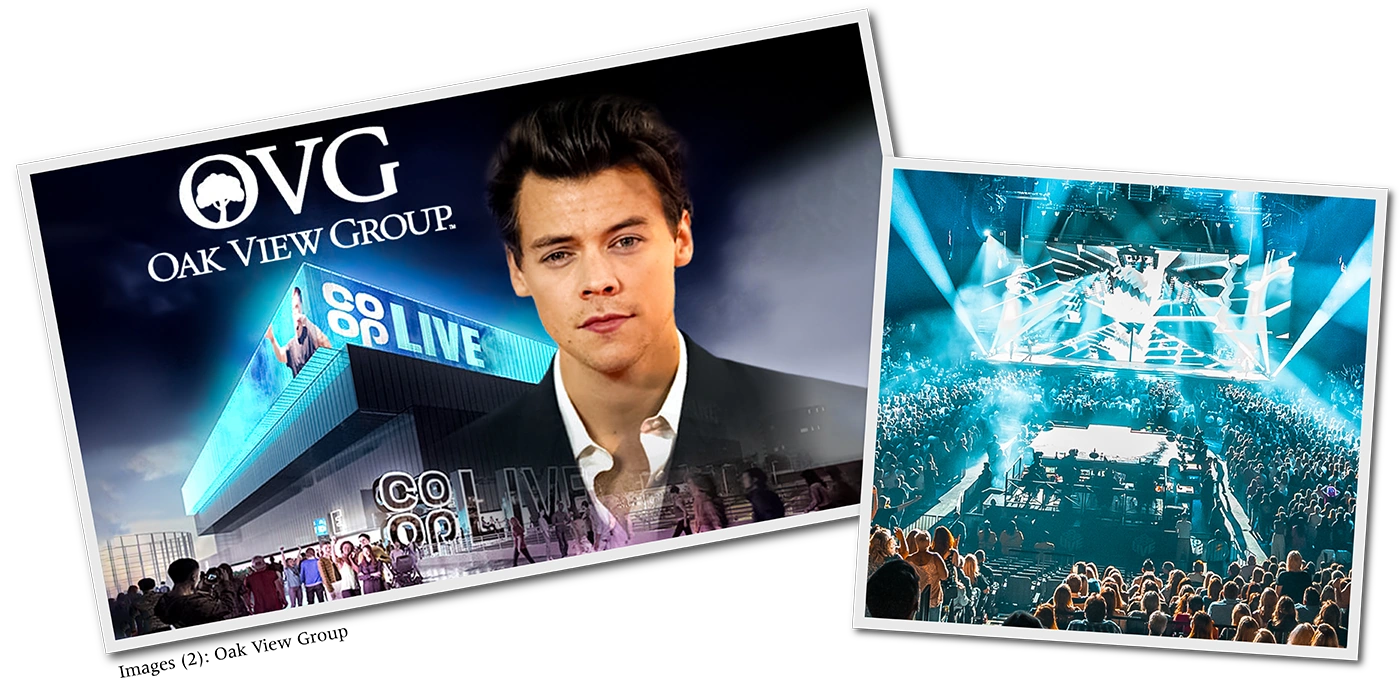
Alex Reese will explore how the modern venues are evolving to better serve the needs of the artistes, the partners and the audiences.
This session will examine how design, commercial strategy and operational thinking can work together to create a stronger value for the brands, the bands and the fans.
Reese will share practical insights into how the venues can deliver more flexible partnership models, deeper brand activation and richer live experiences while building long-term relationships that drive both commercial growth and fan loyalty.

Alex Reese bio Commercial Strategy and Sales Director, Oak View Group International, UK
-
2 pm
Reshaping stadium connectivity through lens antenna technology
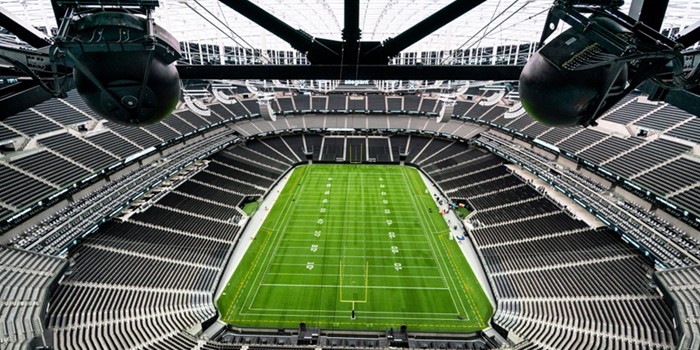 Image: MatSing
Henri Benamou will explore how the lens antenna technology is redefining high-capacity wireless coverage in the modern sports venues. Drawing on deployments at the 65,000-capacity Allegiant Stadium in Nevada, US, and multiple Super Bowl editions this session will examine how the advanced antenna systems can deliver greater performance with reduced physical infrastructure.
Benamou will outline how the smarter connectivity strategies support operational reliability, scalability and seamless digital engagement in some of the world’s most demanding live-event environments.

Henri Benamou bio Director, Sales & BD EMEA, MatSing, US
-
2:15 pm
From traditional marketing to data-driven club ecosystems
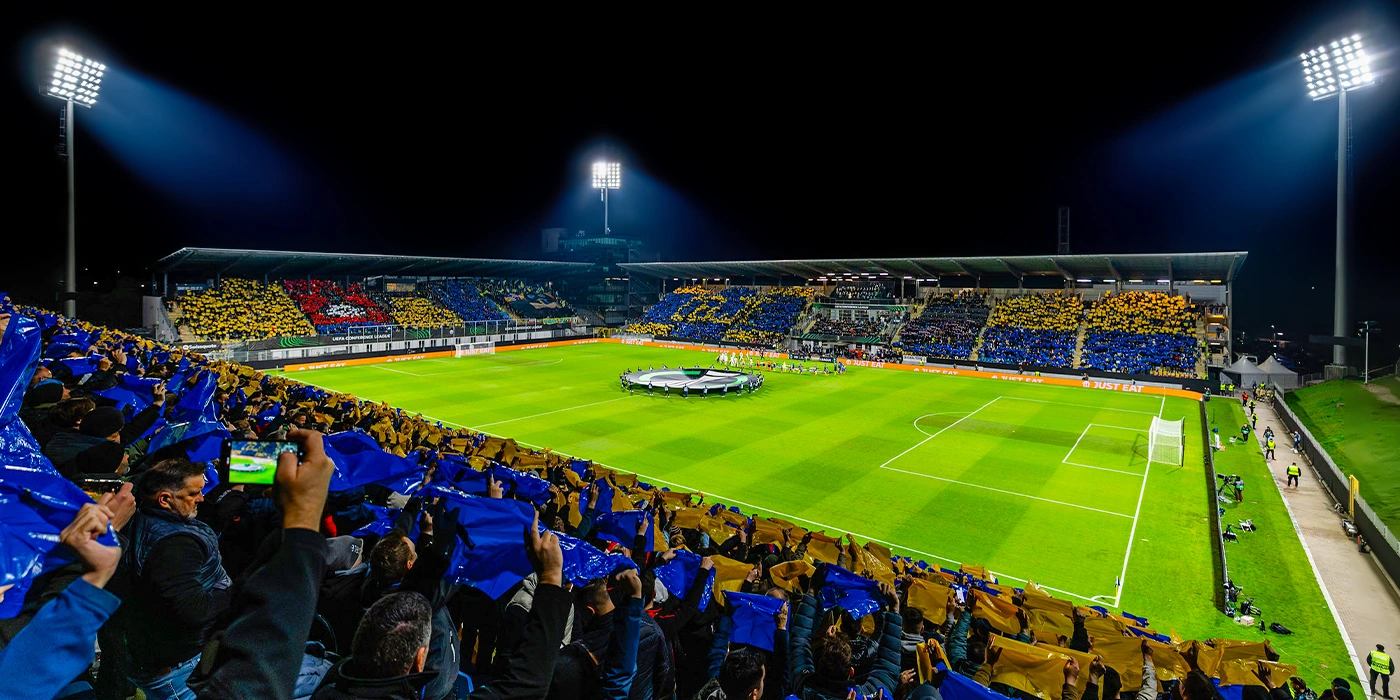 Image: NK Celje
Tomaž Lesjak will explain how the professional football clubs are moving beyond traditional marketing towards the fully integrated commercial and digital ecosystems.
This session will explore how Customer Relationship Management (CRM), the loyalty programs, ticketing, merchandise, the prepaid services, and the in-venue experiences can be connected into a single data-driven platform.
Lesjak will share how business intelligence and the real-time insights are helping the clubs strengthen their fan relationships, improve decision-making and unlock new revenue opportunities both inside and outside the stadium.

Tomaž Lesjak bio Head of Marketing, NK Celje, Slovenia
-
2:30 pm
Beyond the 90 minutes: Building the connected stadium ecosystem
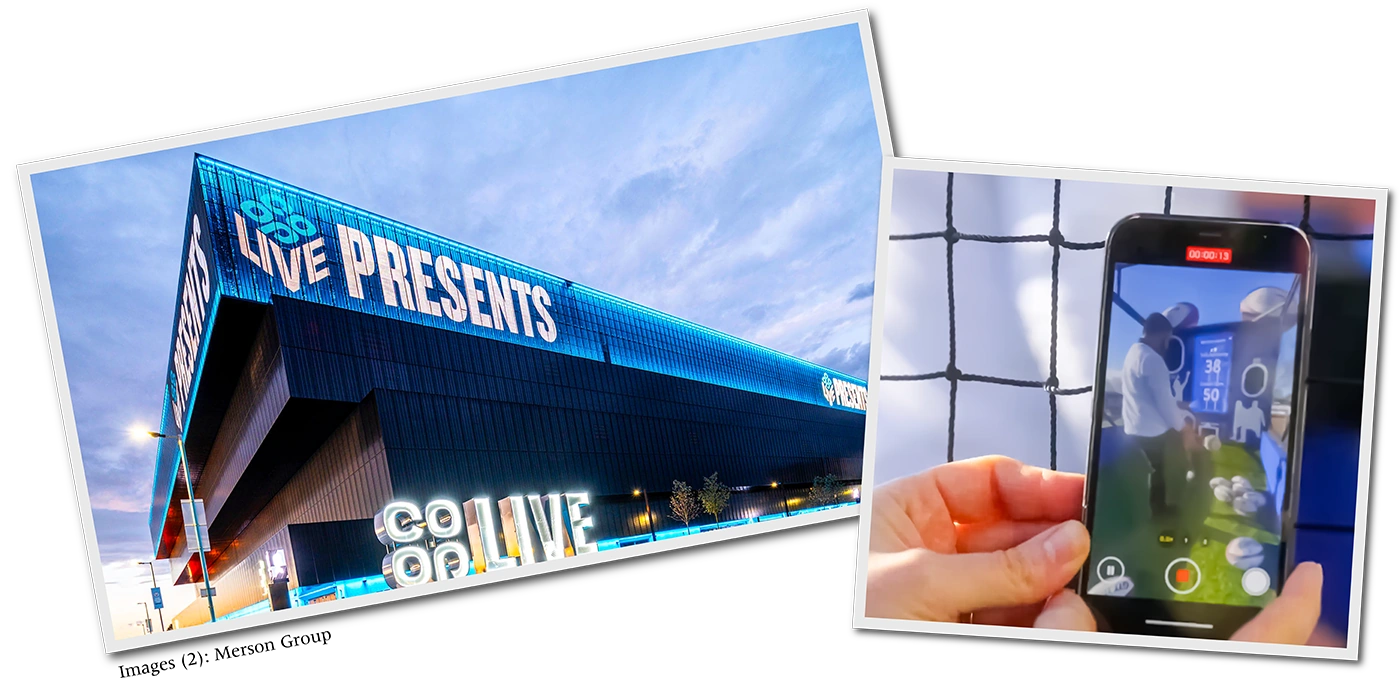
Josh Bunce will look at how the audiovisual (AV) infrastructure has become a core part of the modern stadium and arena. Today, it’s not just about how the events are seen and heard but how the fans experience the venue from the moment they arrive until they leave. With the audiences having more choice than ever the venues need to offer something that goes well beyond the live action.
This session explores how the integrated audiovisual (AV) systems can help create atmosphere, improve communication and open up new commercial opportunities across the entire building.
Drawing on the signage solutions firm Merson Group’s work in the large-scale light emitting diode (LED) and structural AV, Bunce will share how connected, scalable infrastructure supports the seamless fan journeys, stronger engagement and confident operations in the demanding live-event environments.

Josh Bunce bio Chief Digital Officer, Merson Group, UK
-
Preserving identity while modernizing a historic inner-City stadium
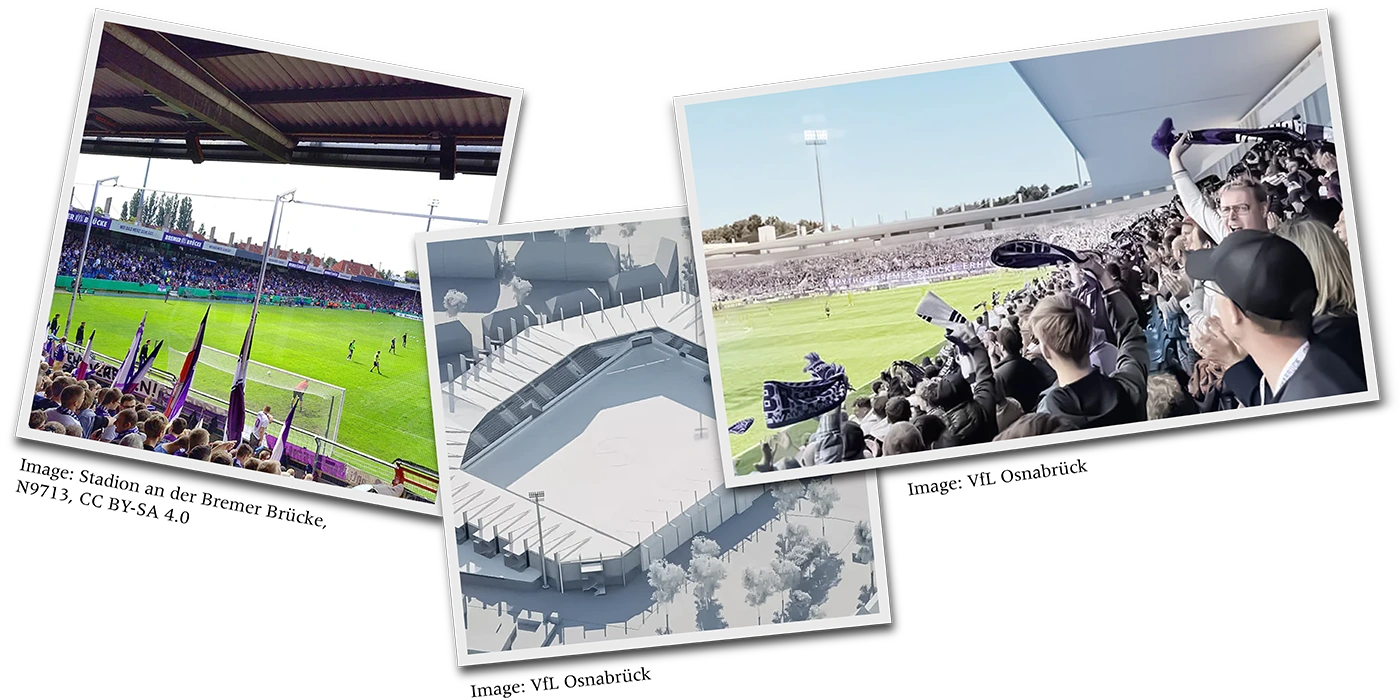
In conversation with Harald Fux, Dr. Michael Welling will present the redevelopment vision for the 16,100-capacity Bremer Brücke Stadium, one of Germany’s most traditional and atmospheric football grounds.
This session will explore how the club and its partners are balancing heritage, fan culture and modern requirements while working within tight urban constraints and a defined budget. The key topics include preserving the stadium’s unique character, upgrading the infrastructure and the business areas and opening the venue further to the local community demonstrating how the historic inner-City stadiums can remain relevant, sustainable and financially viable in the future.
-
3 pm
Birth or rebirth: The future of multipurpose arenas
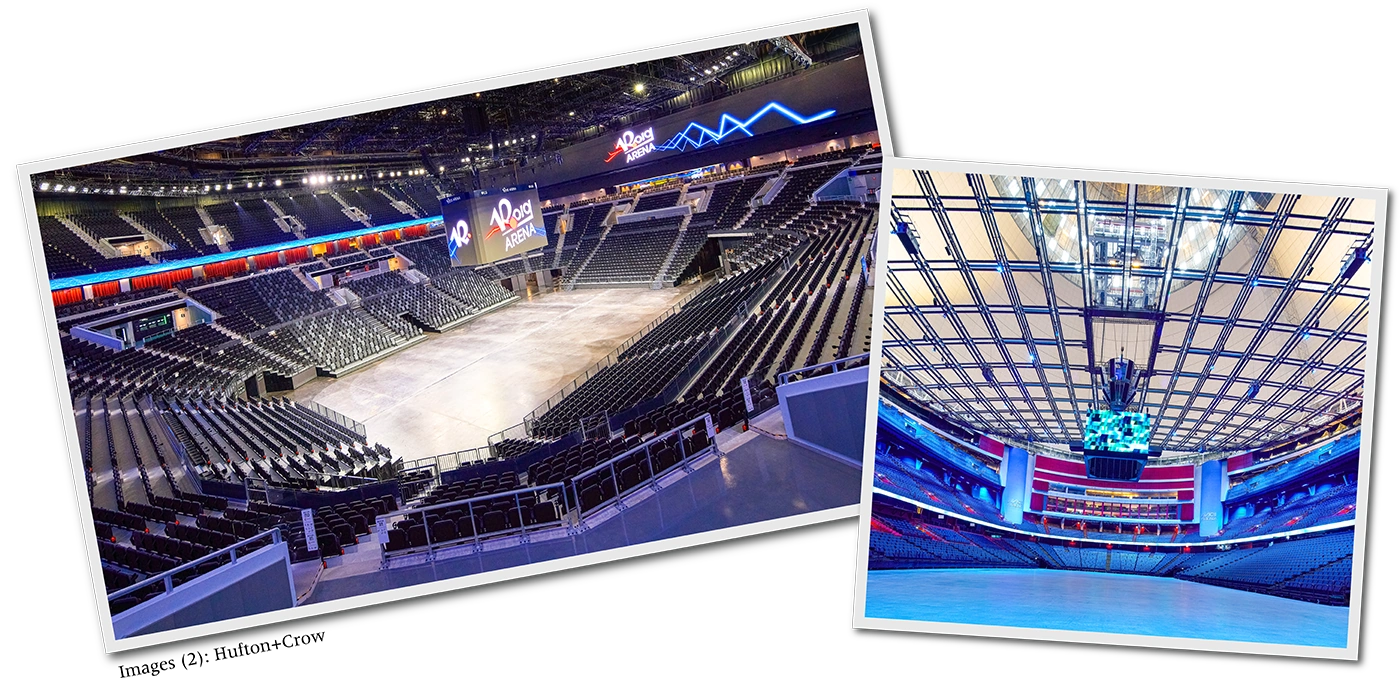
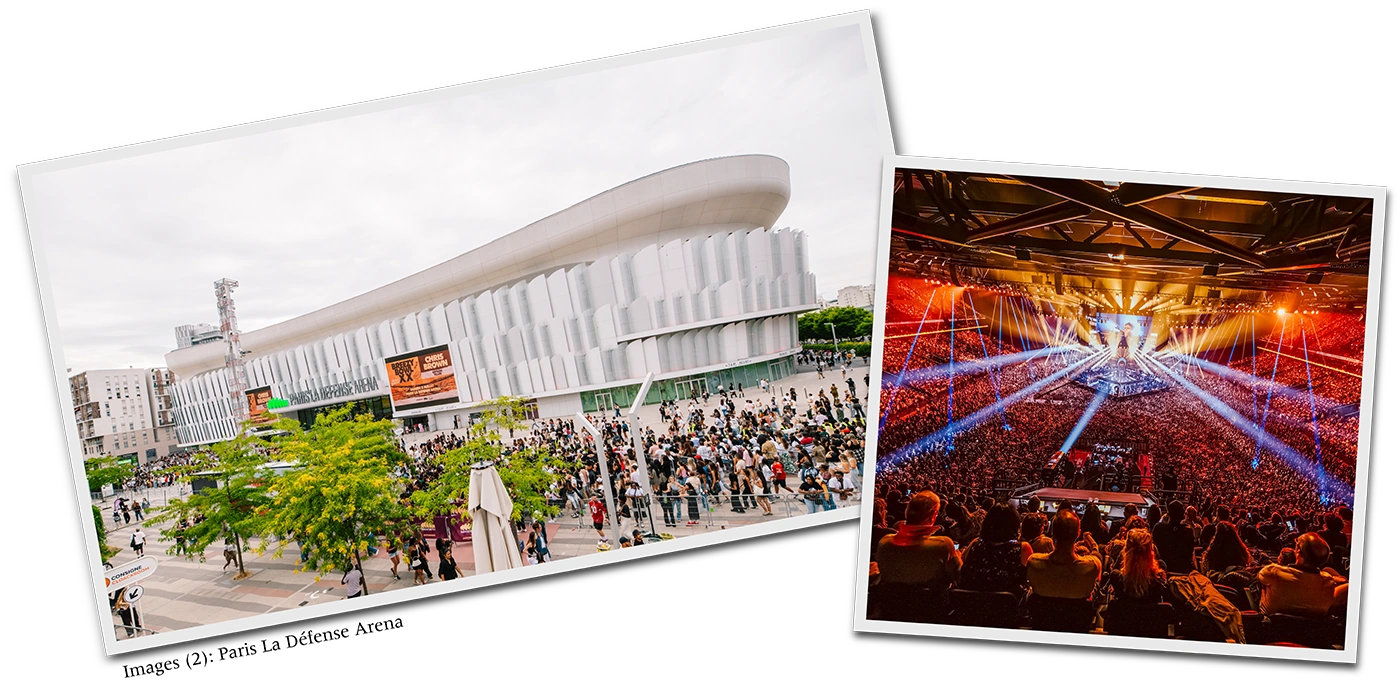
John Rhodes will examine a defining question for the Cities and the venue owners: Should they build anew or reimagine what already exists? Through the transformation of the 16,000-capacity Avicii Arena in Stockholm, Sweden, and the creation of the 20,000-capacity Roig Arena in Valencia, Spain, Rhodes will present two distinct models of the modern arena development – one demonstrates heritage-led revitalization of an iconic structure and the other establishes a new civic anchor through integrated placemaking.
Together, these case studies will illustrate how the large-scale arenas can deliver cultural relevance, economic impact and long-term community value in an era defined by sustainability and strategic intent.

John Rhodes bio Senior Principal, Design Principal and Director of Sport + Entertainment Architecture, HOK, UK
-
3:15 pm
Winning every fan: Marketing and experience strategies for modern audiences
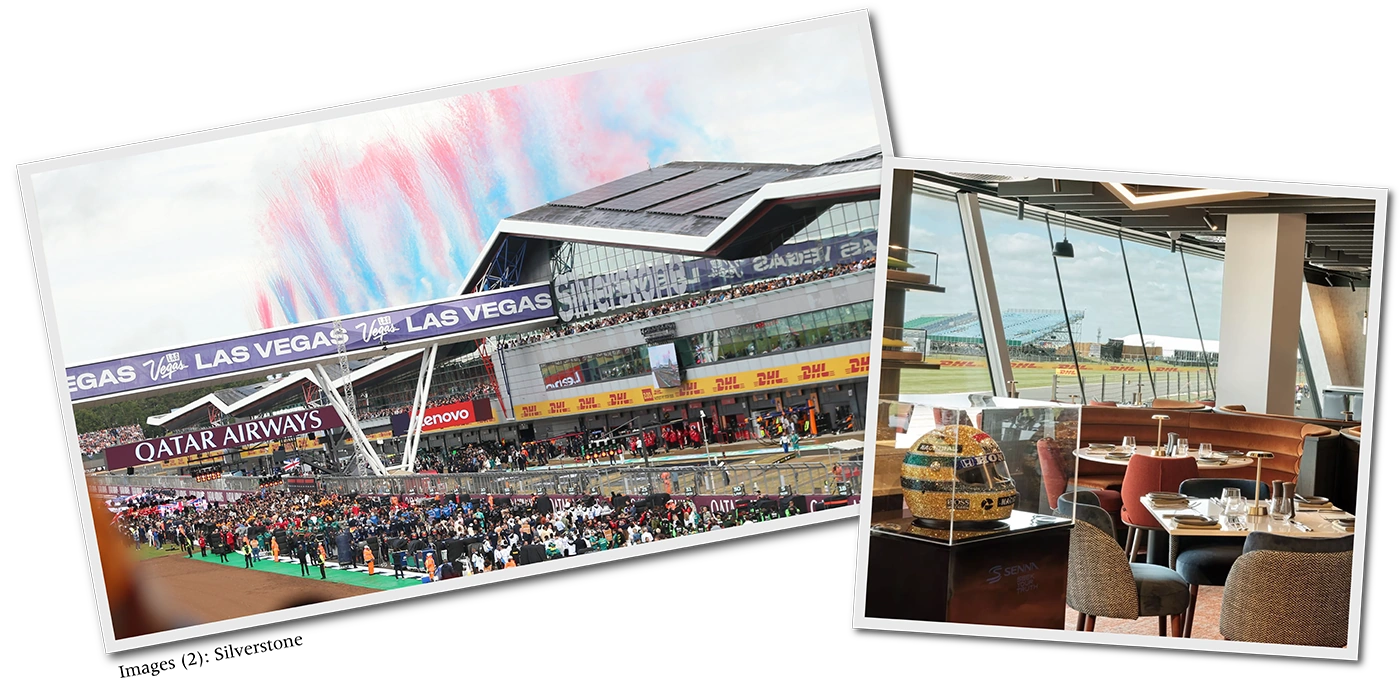
Emily Wiles will explain how one of the world’s most iconic sports venues – the 1,64,000 Silverstone Circuit in England (UK) – is attracting the new audiences while staying true to its loyal fanbase.
This session will look at the marketing approach behind both the British Grand Prix and a growing range of year-round experiences including karting, the corporate events and the lifestyle activities.
Wiles will share how the Silverstone Circuit has evolved into a true 365-day destination balancing heritage with innovation, engaging the different audience groups across a large and complex site and making the most of the continued global growth of Formula One.

Emily Wiles bio Marketing Director, Silverstone, UK
-
3:30 pm

Mohammed Bahsh Chief Sales Marketing Officer, FPC Industrial Limited Company, Saudi Arabia
-
3:45 pm
Operating a multivenue sports and entertainment campus at scale
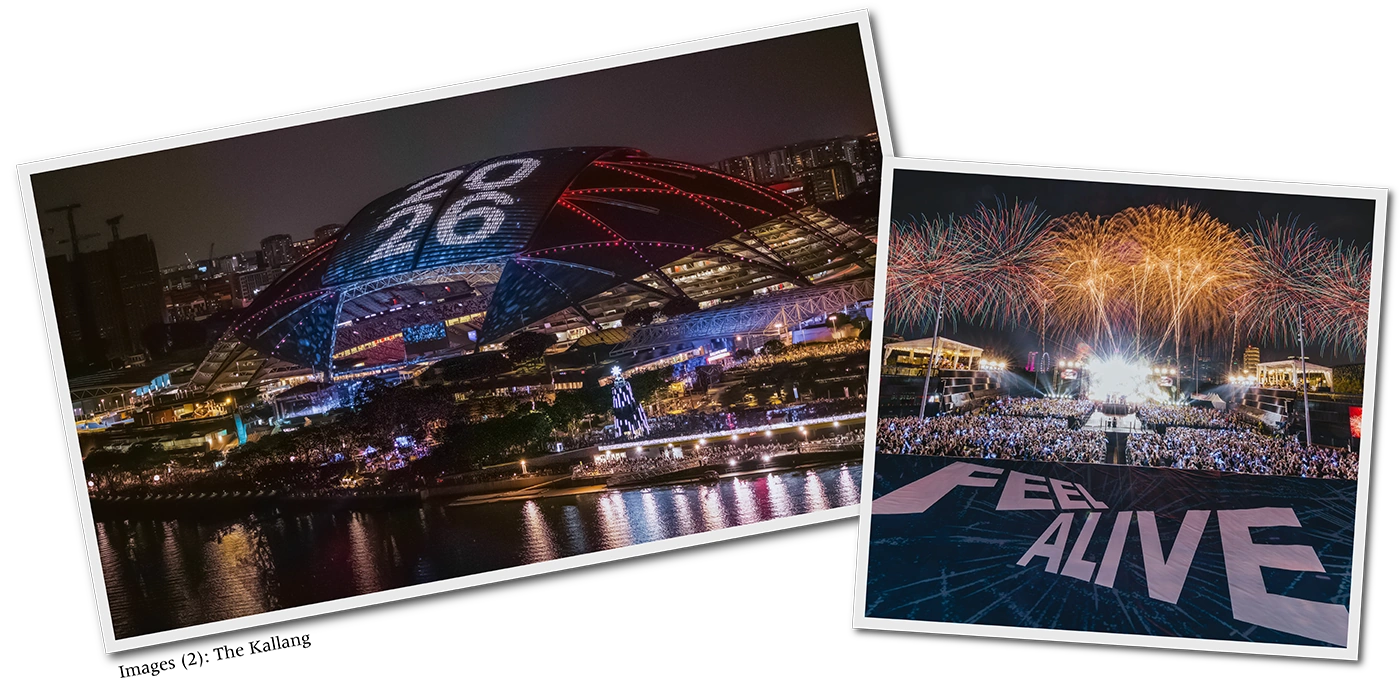
Mitch Seeto will share insight into operating one of Asia Pacific’s most complex and diverse venue environments. Formerly known as the Singapore Sports Hub the 55,000-capacity The Kallang in Kallang, Singapore, is a 42-hectare integrated campus combining the national stadiums, the indoor arenas, the aquatic facilities, retail, the public spaces, and the 24/7 community infrastructure.
This session will explore how the large-scale, multivenue precincts can balance international sport and entertainment with everyday community use highlighting the operational coordination, the utilization strategies and the role of inclusive programming in driving both participation and commercial performance across an integrated destination.

Mitch Seeto bio Head of Venue Operations, The Kallang, Singapore
-
4 pm
Behind-the-scenes of Fulham Pier in association with:

Fascinating-fantabulous Fulham Pier
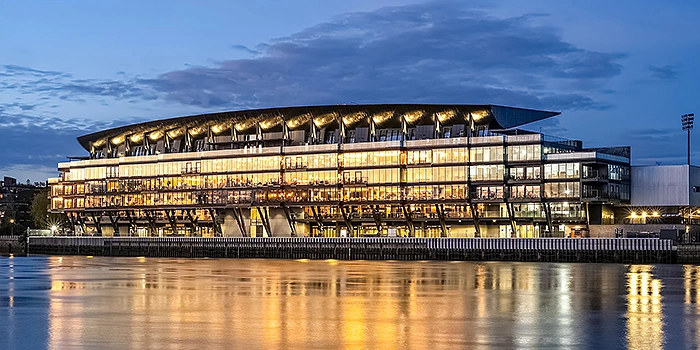 Image: Fulham Pier
The Fulham Pier is a new, premium seven-story riverside destination in South-West London and is located at the Premier League team Fulham F.C.’s home venue – the 28,800-capacity Craven Cottage Stadium in Fulham, England (UK) – that serves as a vibrant hub on non-match days.
It features the Riverside Market with over 10 food vendors, the upscale Brasserie Constance (a restaurant serving seasonal modern British dishes), the Orange Box (a versatile, industrial-style live entertainment and events venue) event space, and curated entertainment including live music and wellness activities.
The Fulham Pier offers a constantly evolving program of experiences. From live events and wellness sessions, to family activities and free riverside fun, the Pier offers an enchanting and invigorating ambience and experience.
The Fulham Pier in London will be the venue for the Coliseum Summit EUROPE to be held on March 24th-25th, 2026 and the delegates will be taken on a tour of the drop-in-a-swoon attraction.