
Marylebone Cricket Club ‘batting’ for a sustainable future
Article posted by Coliseum,Share this article:


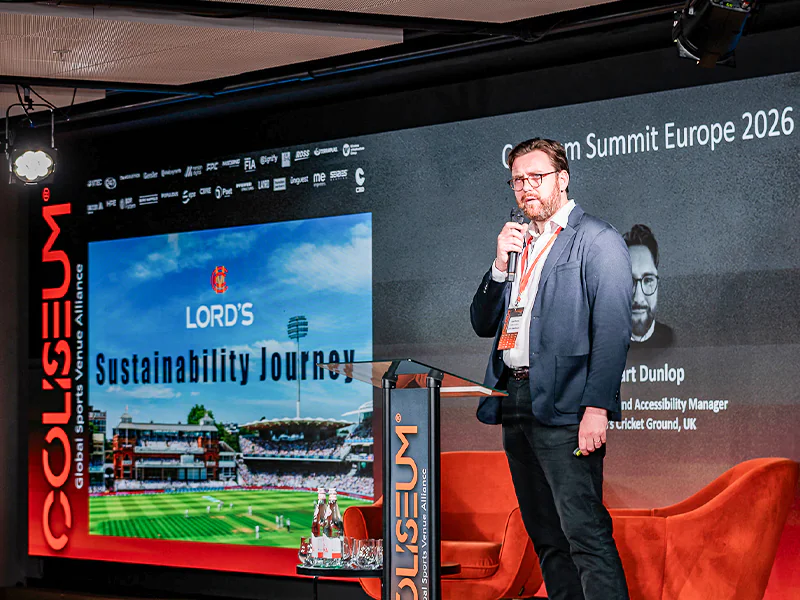 Image: Coliseum GSVA
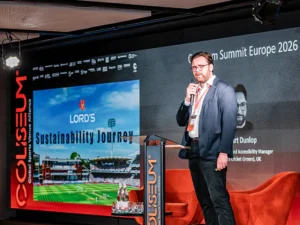
Stuart Dunlop is from the 31,000-seat Lord’s Cricket Ground in London (UK) where they are embedding sustainability into everyday activities. He is the Sustainability and Impact Lead at the Marylebone Cricket Club (MCC), the owners and operators of the Lord’s Cricket Ground. He oversees initiatives like decarbonization and measuring and reducing Scope 3 emissions (all indirect greenhouse gas emissions that occur across a company’s value chain – both upstream [in its supply chain] and downstream [from product use and disposal] – from sources the company does not directly own or control).
The Marylebone Cricket Club (MCC) drives its environmental strategy through major carbon-reduction milestones at the Lord’s Cricket Ground.
In an exclusive exchange with ‘Coliseum’, Stuart Dunlop, Sustainability and Accessibility Manager, Lord’s Cricket Ground, UK, states that “Sustainability has been on the menu at the Marylebone Cricket Club (MCC) for some time actually. We were one of the sports clubs in the world to hire a full-time Sustainability Manager. This was back in 2009. Since then, I think we have gone on to achieve quite a lot on the sustainability front.”
Marylebone Cricket Club (MCC)
The Marylebone Cricket Club (MCC) is an English cricket club founded in 1787 whose Lord’s headquarters are dubbed ‘the Home of Cricket’.
Lord’s Cricket Ground
The 31,100-seat Lord’s Cricket Ground, better known as Lord’s, is a cricket venue at St John’s Wood, historically in Middlesex and now in the City of Westminster, England (UK). Named after its founder, Thomas Lord, it is owned by the Marylebone Cricket Club (MCC).
Sustainability Strategy
Stuart Dunlop kicked off the conversation by stating that the MCC are the guardians of the ‘Home of Cricket’. He underscored that since he has joined the club “we are delivering some of the actions in the last couple of years to keep playing cricket. So, what we have been doing over the past several years since I joined the club is defining a lot of strategies that will help us blueprint our path forward. We initially started with our sustainability strategy which was released in 2020. This was based on the UN Sustainable Development Goals.”
ESG Strategy
The next step the Marylebone Cricket Club (MCC) initiated was the Environmental, Social and Governance (ESG) strategy which took a lot of the environmental initiatives from the sustainability strategy but also looked at the social elements and the governance elements of what the MCC can do as a club for the local community.
Zero Carbon
Dunlop informed that the third document is the journey to zero carbon – “This was released in 2023. It is based on the principles of UN Sports for Climate Action Framework and we are aiming to achieve zero carbon on Scopes 1, 2 and 3 by 2040 and Scope 1 and 2 by 2030.”
Solutions at Lord’s
The first one and the key one for sustainability at the club is energy. Since 2016, the Marylebone Cricket Club have been sourcing renewable electricity and “we have annual energy reduction targets of about 10 percent each year. We don’t get to those targets each year but there is something to aim towards and to help us achieve this we have introduced building management systems (BMS) throughout the grounds. We have installed floodlight light emitting diodes (LEDs) and we have ground source heat pumps on the nursery pitch which provides heating and cooling to three of the stands in the ground.”
Waste Management
Dunlop pointed out that in terms of waste, the Lord’s Cricket Ground produce around 300 to 320 tonnes each year. Around 55 to 57 percent of this is recycled. The food waste goes to the anaerobic digestion facilities, the general waste is sent to energy recovery and that is then reused back for the trucks that comes to collect the waste in the first place. He emphasized that it was a good example of circular economy.
Pitch Management
No artificial pesticides or fungicides is used on the Lord’s pitch.
Catering
Catering is a huge operation at Lord’s – “We have our own 20 kitchens at the stadium and in that context one kitchen, the central kitchen, produces about 11,000 covers (the volume of meals the kitchen staff must prepare and serve during a match day) for one day of a Test match. So, naturally this is a huge operation and this forms majority power of our Scope 3 supply chain.”
AI Pilot
The Marylebone Cricket Club concluded an artificial intelligence (AI) pilot with a company called ExpectAI. Dunlop explained that what they do is they convert the span-based accounting for the Scope 3 management into activity-based data – “That means we have real data coming in and extremely accurate and I can go to a supplier and say I have an understanding of your impact on our scope-free supply chain which means that they can take measures to reduce their Scope 1 and Scope 2 emissions and there are various different actions and initiatives that the two provide and order for them to get in our stadium.”
Wrap-up
Lessons Learned
Stuart Dunlop concluded by stating, “What we have learnt after adopting different initiatives – specifically relating to energy – is that sustainability can bring about a future for the club which is sustainable and profitable.”
Continue following Coliseum for the latest updates on sports venues, stadiums and arena business news worldwide.
Coliseum is dedicated to building a global community of sports and entertainment venue professionals helping create better and more profitable venues.
Become a member of the Global Sports Venue Alliance and connect with stadiums, arenas and industry experts from around the world. Apply for membership through the Global Sports Venue Alliance and access the 365Coliseum Business platform.
« Previous News: US basketball season tip off in Italy to packed Rome arena
» Next News: PowerChina to ‘power’ up Estadio Nemesio Camacho El Campín build
Related News
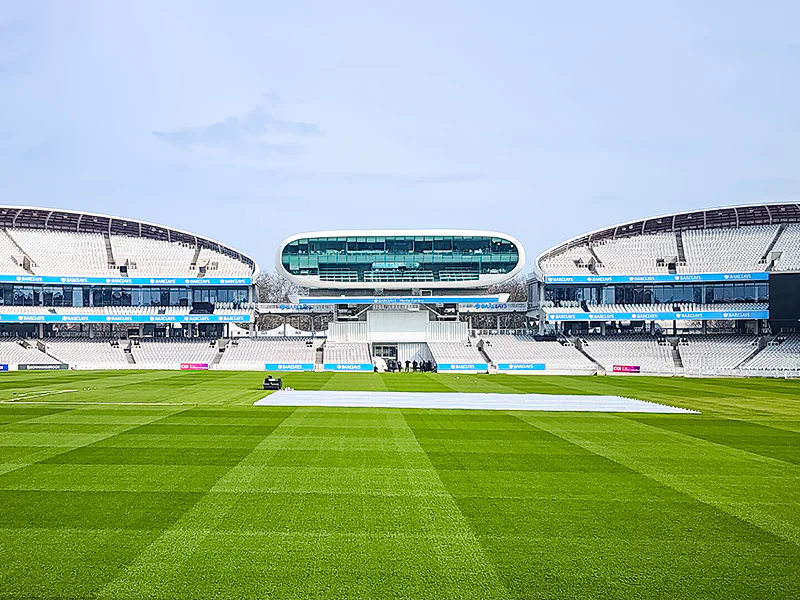 MCC-ExpectAI broader sustainability strategy at Lord’s
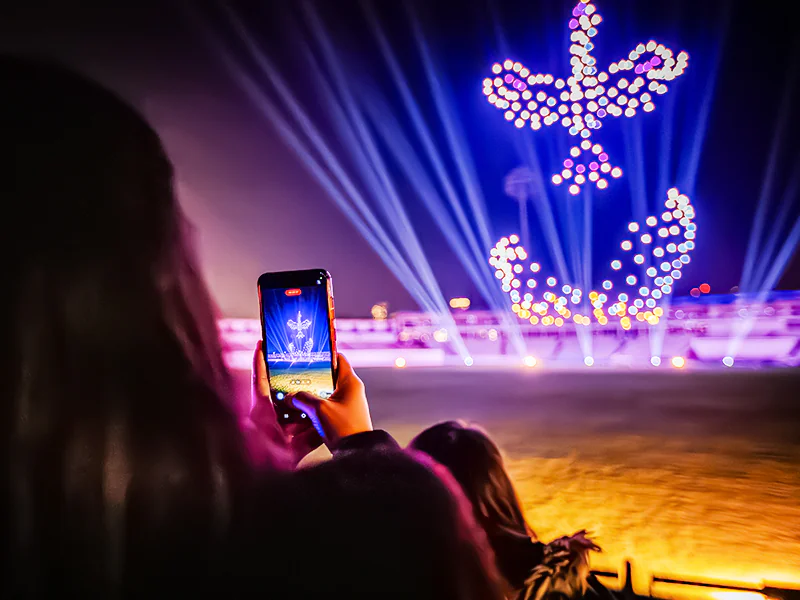 Lord’s Cricket Ground lighting up with amazing drone show
 S.L. Benfica sustainability project changing behaviors at scale


Bishkek Arena stadium officially opened in Kyrgyzstan
Kyrgyzstan’s new national stadium, the 51,252-capacity Bishkek Arena, has officially opened,... » Read more
New Emirates Lounge opens at Benfica’s Estádio da Luz
Sport Lisboa e Benfica and Emirates have officially opened the Emirates Lounge, a new premium... » Read more
PowerChina to ‘power’ up Estadio Nemesio Camacho El Campín build
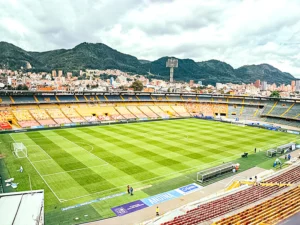
The new Estadio Nemesio Camacho El Campín stadium project (Bogotá, Colombia) has a new player.... » Read more
Marylebone Cricket Club ‘batting’ for a sustainable future
Stuart Dunlop is from the 31,000-seat Lord’s Cricket Ground in London (UK) where they are... » Read more
US basketball season tip off in Italy to packed Rome arena
The Notre Dame Fighting Irish men’s basketball team defeated the Villanova Wildcats men’s... » Read more

Our News tags
- 'Espai Barca'
- ‘A’s’
- ‘Back to Live!’
- ‘Ball Arena’
- ‘Bud Light Beer Garden’
- ‘Field of Dreams’
- ‘Get in touch’-service
- ‘Go Safe’
- ‘Great Build’
- ‘Green’ energy
- ‘Green’ Olympics
- ‘My All’ Campaign
- ‘Pro Event’
- ‘Sbloccastadi’
- ‘sex doll’ incident
- ‘Share The Passion’
- ‘stadium’ competition
- ‘The Arena’
- ‘The Block’
- ‘The Cathedral’
- ‘The Krewe’s Nest’
- ‘The Sage’
- ‘The Sky Blues’
- ‘The Sunday Times’
- ‘The Swamp’
- ‘TRILOGY’
- (NFT)-ticketed
- #AlarmstufeRot
- $CITY
- 1. FC Cologne
- 1. FC Kaiserslautern
- 1. FC Köln
- 1. FC Nuremberg
- 1. FC Nürnberg
- 1. FC Union Berlin
- 1. Union Berlin
- 10 percent of its revenue
- 10.000.000th visitor
- 100 percent capacity
- 1000 people will be permitted
- 10th year anniversary
- 1300SMILES Stadium
- 17 games
- 1860 Munich
- 1901 Project
- 1rock Technology
- 2 meters distance
- 20 percent occupancy
- 20:20
- 20.20
- 20000-seat arena
- 2004 Athens
- 2019 Cricket World Cup
- 2020 Olympic and Paralympic Games
- 2020 Olympics
- 2020 Summer Olympics
- 2020-21 seasons
- 2021 Concacaf Gold Cup
- 2021 Copa América Final
- 2021 Phillips 66 Big 12 Men’s Basketball Championship
- 2021 Rugby World Cup
- 2021 season
- 2021 Women’s European Championship
- 2021 World Baseball Classic
- 2022
- 2022 Commonwealth Games
- 2022 FIFA World Cup™
- 2022 MLS All-Star Game
- 2022 Olympic
- 2022 Olympics
- 2022 Pro Bowl
- 2022 Qatar FIFA World Cup™
- 2022 regular season
- 2022 Shamrock Series
- 2022 Winter Olympics
- 2022 World Cup
- 2023
- 2023 AFC Asian Cup
- 2023 AFC Asian Cup™
- 2023 Asian Cup
- 2023 Caribbean Series
- 2023 Concacaf Gold Cup
- 2023 FIFA Beach Soccer World Cup™
- 2023 FIFA Women’s World Cup™
- 2023 Heineken Champions Cup
- 2023 Men’s Hockey World Cup
- 2023 NHL Global Series™
- 2023 Pacific Games
- 2023 Pan American Games
- 2023 Rugby World Cup
- 2023 Winter Classic
- 2023 World Athletics Championships
- 2024
- 2024 Concacaf W Gold Cup
- 2024 Coupe de France
- 2024 European Athletics Championships
- 2024 IIHF
- 2024 NFL Draft
- 2024 NHL Global Series™
- 2024 Olympics
- 2024 Summer Olympics
- 2024 Winter Classic
- 2024 Winter Youth Olympic Games
- 2024 Winter Youth Olympics
- 2024 World Para Athletics Championships
- 2025
- 2025 All-Star Game
- 2025 Asian Youth Games
- 2025 Club World Cup
- 2025 Gold Cup
- 2025 World Cup
- 2025 World Games
- 2026
- 2026 Commonwealth Games
- 2026 EuroLeague Final
- 2026 FIFA World Cup TM
- 2026 FIFA World Cup™
- 2026 Olympics
- 2026 Winter Olympics
- 2026 Winter Olympics and Paralympic Games
- 2026 World Cup
- 2026 World Cup Bid Committee
- 2026 World Cup final
- 2027
- 2027 AFC Asian Cup
- 2027 Africa Cup of Nations
- 2027 Asian Cup
- 2027 FIFA Women’s World Cup™
- 2027 FISU World University Games
- 2027 Pan American Games
- 2027 Rugby World Cup
- 2027 UEFA Europa League
- 2028
- 2028 All-Star Game
- 2028 European Championship
- 2028 Los Angeles Games
- 2028 Olympic
- 2028 Olympic and Paralympic
- 2028 Summer Olympics
- 2029 Asian Winter Games
- 2029 World Athletics
- 2029 World Athletics Championships
- 2029 World Championships
- 2030
- 2030 Asian Games
- 2030 FIFA World Cup™
- 2030 Winter Olympics
- 2030 Winter Paralympics
- 2030 World Cup
- 2030 World Expo
- 2031
- 2031 Men’s Final Four
- 2032
- 2032 Brisbane Games
- 2032 Brisbane Olympic
- 2032 Olympic
- 2032 Olympic Games
- 2032 Olympics
- 2032 Summer Olympics
- 2034 FIFA World Cup
- 2034 FIFA World Cup™
- 2034 World Cup
- 2035 Rugby World Cup
- 2036 Olympic Games
- 2036 Summer Games
- 2036 Summer Olympics
- 24/7 Software
- 24th FIFA World Cup™
- 25 percent
- 25 percent capacity
- 25th FIFA World Cup™
- 28 Black Arena
- 2G
- 2Mobile
- 3-D model
- 30 feet of the court
- 30 percent capacity
- 30-per-cent capacity
- 310 Provisions F&B
- 365Business Center
- 365Coliseum Business Center
- 3Arena
- 3D Digital Venue
- 3D models
- 3D simulations
- 3D Venue
- 3XN
- 3XN Copenhagen
- 40 percent
- 49ers
- 49ers Enterprises
- 5.5G network
- 5+
- 50 percent
- 50 percent capacity
- 5000 fans
- 5G
- 5G network
- 5G Smart Venue
- 5G technology
- 6 GHz Wi-Fi
- 76 Devcorp
- 76 Place
- 76ers
- 777 Partners
- 777 Partners LLC
- 865 Neyland
- 8K video replay system
- A-League
- A-League football
- A.C. Milan
- A.C. Pisa 1909
- A.F.C. Bournemouth
- A.G. Spanos
- A.S. Roma
- A.Z. Alkmaar
- AACIC
- Aalborg
- AAM
- AAMI
- AAMI Park
- AAP
- Aarau
- Aarhus
- Aaron Ling Johanson
- AASEG
- ABA League
- ABB
- ABB FIA Formula E
- ABBA Arena
- Abbey Stadium
- Abbott Road
- Abdoulaye Wade Stadium
- Abdul Tabarra
- Abdulaziz bin Turki Al Saud
- Abdulla Al Habbai
- Abdullah Al Dawood
- Aberdeen
- Aberdeen F.C.
- Aberdeen FC
- Aberdeen Football Club
- Abertay University
- Abidjan
- Abloy
- Abloy Oy
- ABM
- abseil down
- Abu Dhabi
- Abu Dhabi Cricket
- Abu Dhabi Cricket & Sports Hub
- Abu Dhabi Grand Prix
- Abu Dhabi HSBC Championship
- Abu Dhabi Motorsports
- Abu Dhabi Motorsports Management
- Abu Dhabi Sports Council
- Abu Dhabi United Group
- Abuja
- AC Milan
- AC Sparta Prague
- academy
- Academy Music Group
- Academy Stadium
- ACB
- ACC
- ACC Liverpool
- ACC Liverpool Group
- access
- access control
- Access Educational Provision
- AccessibAll
- accessibility
- Accessibility Guidelines
- accessible
- accommodation
- Accor
- Accor Arena
- Accor Stadium
- Accu Stadium
- ACE
- Ace Seating
- ACF Fiorentina
- ACF Florentina
- ACHA
- acquire
- acquired
- acquisition
- Acrisure
- Acrisure Arena
- Acrisure Stadium
- action sports
- Ad Diriyah
- AD Gaming
- Adam Douglas
- Adam Duvendeck
- Adam Goodyer
- Adam Horodecki
- Adam Silver
- Adam Wilkes
- Adams Park Stadium
- additional expenditure
- additional seating
- additional tickets
- Adela de la Torre
- Adelaide
- Adelaide Aquatic Centre
- Adelaide Circuit
- Adelaide Crows
- Adelaide Football Club
- Adelaide MotoGP
- Adelaide Oval
- Adelaide Riverbank
- Adelaide United
- Adelaide United FC
- Adelaide United Football Club
- Adelaide United stadium
- ADG
- ADHP
- ADI
- Adidas
- Adille Sumariwalla
- Aditya Virwani
- ADMM
- ADO Den Haag
- Adobe
- Adrian Cefalan
- ADSC
- ADUG
- Advantage Arena
- Advent International
- AdventHealth
- Adventist Health
- Adventist Health Arena
- advisory
- Adyen
- AEC
- AECOM
- AECOM Hunt
- AECOM Sports
- AEG
- AEG Europe
- AEG Facilities
- AEG Global
- AEG Ogden
- AEG Presents
- AEK Athens F.C.
- AEK Athens FC
- AELTC
- AEW
- AFA
- AFAS Stadion
- AFC
- AFC Ajax
- AFC Asian Cup
- AFC Asian Cup 2027
- AFC Asian Cup China 2023
- AFC Asian Cup Saudi Arabia 2027
- AFC Asian Cup™
- AFC Asian Qualifiers
- AFC Bournemouth
- AFC Champions League
- AFC Champions League Elite
- AFC Champions League Elite™ Finals
- AFC Cup
- AFC Nations League
- AFC Stadium
- AFC Wimbledon
- AFC Women’s Champions League
- AFCON
- Afghanistan
- Afghanistan Cricket Board
- AFI
- AFL
- AFL Architects
- AFL Grand Final
- AFL Queensland
- Africa
- Africa Cup of Nations
- African
- African Cup of Nations
- African Football nations
- African football to the top of the world
- African Nations Championship
- African Super League
- AFS Stadion
- Afterpay
- Afterpay Arena
- Age Friendly
- Agencia APP Medellín
- Aghdam
- Agia Sophia Stadium
- agn Niederberghaus & Partner
- agreement
- agreements
- Agustín García Puga
- Agustín Morales C.
- Agustín Pichot
- AHL
- AHL franchise
- Ahly Stadium
- Ahmad Bin Ali Stadium
- Ahmed Al Obaidly
- Ahmedabad
- AI
- AI platform
- AI Stadium
- AI-enabled platform
- Aichi-Nagoya
- AiFi
- AIG Women’s Open
- Aigars Kalvitis
- AIL
- AIL Arena
- AIL Stadium
- Aintree Racecourse
- Air Albania Stadium
- Air Canada Centre
- Air Force Academy Athletic Corporation
- Air Force Academy Foundation
- air quality
- air-cleaning technology
- AirHogs Stadium
- airline
- Airlink
- Airport City
- AIS
- AIS Arena
- AIS Podium Project
- Ajax Amsterdam
- Akbar al-Baker
- Akii Bua Olympic Stadium
- Al Ahly
- Al Ahly SC
- Al Ahly Stadium
- Al Ain
- Al Awwal Park Stadium
- Al Barakah International Investment
- Al Bayt Stadium
- Al Dana Amphitheatre
- Al Dana Amphitheatre Bahrain
- Al Davis
- Al Guido
- Al Hilal
- Al Hilal SFC
- Al Hosn app
- Al Hussein Moudanib
- Al Janoub
- Al Jazira Club
- Al Khobar
- Al Khor
- Al Lang Stadium
- Al Nasr Club
- Al Qana
- Al Rayyan
- Al Rayyan Sports Club
- Al Rayyan Stadium
- Al Thumama Stadium
- Al Wasl Football Club
- Al-Arabi Club
- Al-Awwal Park
- Al-Awwal Park Stadium
- Al-Ettifaq FC
- Al-Hilal Club
- Al-Ittihad Sports Village
- Al-Janoub Stadium
- Al-Jawhara Stadium
- Al-Nasr Sports Club
- Al-Nassr FC
- Al-Suqor Club
- Alabama
- Alan Burrows
- Alan Gallagher
- Alan Gilpin
- Alaska Airlines Arena
- Alassane Ouattara Stadium
- Alastair Warwick
- Alba Berlin
- Albania
- Albanian Football Federation
- Albany
- Albawani
- Albert Speer + Partner
- Albert Speer + Partner GmbH
- Albert Speer+Partner
- Alberta
- Alberto Picco Stadium
- Albertsons Stadium
- Albuquerque
- alcohol
- alcohol license
- alcohol-free
- alcoholic drinks
- Aldar Properties
- Alderman Harrie van Dijk
- Alec Jackman
- Alejandro Dominguez
- Aleksander Ceferin
- Alessandro Antonello
- Alessandro Pasquarelli
- Àlex Barbany
- Alex Barbany Fernández
- Alex Bowen
- Alex Fischer
- Alex Leitão
- Alex Merchán
- Alex Shambrook
- Alex Tunbridge
- Alex Wuerfel
- Alexander Casas
- Alexander Hardieck
- Alexander Stadium
- Alexander Wuerfel
- Alexandra Palace
- Alexandra Willis
- Alexandre Kalil
- Alexandria
- Alfred Technologies
- Algeria
- Algiers
- Algorand
- Ali Sami Yen Spor Kompleksi
- Alibaba
- Alibaba Cloud
- Alibaba Group
- Alibaba Sports
- Alicante
- Alicante Park
- Aligned Vision Group
- Alignment Growth
- Alinma
- Alinma Stadium
- Alipay
- Alisher Usmanov
- Alison Hughes
- Aljada
- ALK Capital
- ALKEME Insurance
- Alkmaar
- ALL
- All Elite Wrestling
- All England Lawn Tennis and Croquet Club
- All England Lawn Tennis Club
- All England Lawn Tennis Ground
- all entities can sign in/sign up
- All India Football Federation
- All Net
- All Net Arena
- All-African Games
- all-new arena
- All-Star
- All-Star 2024
- All-Star Game
- All-Star Week
- All-Star Weekend
- Allegiant Air
- Allegiant Stadium
- Allegiant Stadium in US
- Allegiant Stadium is a domed stadium under construction
- Allen Fieldhouse
- Allen Johnson
- Allen Stand
- alliance
- Allianz
- Allianz Arena
- Allianz Field
- Allianz Park
- Allianz Parque
- Allianz Riviera
- Allianz Stadium
- Allianz Stadium Masterplan Project
- Allied Esports
- Allied Esports Entertainment
- Allison Howard
- allow crowds
- allow fans
- allow spectators
- allowed in the stadiums
- Allsvenskan
- Almadinah
- Almaty
- Almere City
- Almere City FC
- Aloha Hālawa
- Aloha Stadium
- Aloha Stadium Authority
- Aloha Stadium Entertainment District
- Alokhel
- Alper Afşin Özdemir
- Alpharetta
- Alpharetta Sports & Entertainment
- Alpine World Ski Championships to 2022
- Alps
- Alps’ region
- altafiber
- Altair Arena
- Altay Alsancak Stadium
- Alte Försterei
- Alten Försterei
- alternative stadium
- Altona 93
- AlUla
- AlumniFi
- Alva Skog
- Alvaro Mauricio Olarte
- Amaala
- Amahoro Stadium
- Amalie Arena
- Amazon
- Amazon Web Services
- AMB Sports & Entertainment
- AMB Sports and Entertainment
- AMBSE
- Ameet Bains
- Amélia Morais Stadium
- Amerant Bank
- Amerant Bank Arena
- América de Cali
- America First Credit Union
- American Airlines Arena
- American Airlines Center
- American Collegiate Hockey Association
- American Cricket Enterprises
- American Express
- American Express Community Stadium
- American Express Stadium
- American Family Field
- American football
- American Football Conference
- American Hockey League
- AmericanAirlines Arena
- Amex
- AMH Sports
- Amion Consulting
- Amir Cup
- Amir Cup final
- Ammar Hina
- Amnesty International
- Amnon Harman
- Amparo Roig
- Amphitheater
- AmplifyGC
- ampm ASAP Grab and Go
- Amra City
- Amsterdam
- Amuka Esports
- Amway Center
- Amway Stadium
- Amy Latimer
- Amy Peterson
- Amy Trynka
- an average
- An der Alten Försterei
- Anaheim
- Anaheim Arena Management
- Anaheim City Council
- Anaheim Ducks
- analysis
- ANB Arena
- ANC
- anchor tenant
- Andbox
- Anderlecht
- Anderson Training Center
- Andorra
- Andrea Butti
- Andrea Gaudenzi
- Andrea Patry
- Andreas Kapoulas
- Andreas Schaer
- Andrew Billingham
- Andrew Daniels
- Andrew Elmer
- Andrew Fagan
- Andrew Hampel
- Andrew Hill
- Andrew James
- Andrew Kam Min-Ho
- Andrew Lustgarten
- Andrew M. Cuomo
- Andrew McIntyre
- Andrew Mobbs
- Andrew Pottinger
- Andrew Smith
- Andrew Whitham
- ANDREW® Digital DAS
- Andy Anson
- Andy Bradshaw
- Andy Bush
- Andy Gorchov
- Andy Hughes
- Andy Lansing
- Andy Loughnane
- Andy Lustgarten
- Andy Murray Arena
- Andy O’Sullivan
- Andy Rice
- Andy Simons
- Andy Wagner
- Anfield
- Anfield Road
- Anfield Road stand
- Anfield Stadium
- Angel City FC
- Angel Stadium
- Angela Ruggiero
- Angelo Binaghi
- Angelo Giannuzzi
- Angelo Giaunnuzzi
- Anglesea Stand
- Anheuser-Busch
- Aníbal Mosa
- Anil Murthy
- Animoca Brands
- Anita Azrina
- Anita Siraki
- Ankura
- Anna König Jerlmyr
- Anna McKenzie
- Anne Sheehan
- anniversary
- Anniversary Games
- Annual Review
- Anoeta Stadium
- Anschutz Entertainment Group
- Antananarivo
- anthem singer
- Anthony Cole-Johnson
- Anthony James Partners
- Anthony Joshua
- Anthony Noto
- Anthony Perez
- Anthony Piqueras
- Anthony Precourt
- Anthony Ward
- Antigua and Barbuda
- Antonio Martins
- Antwerp
- Anurag Jain
- ANZ
- ANZ Stadium
- AO
- AO Arena
- AO Farington Cricket Ground
- AO StartUps program
- AOK-Stadion
- ap
- apartment tower
- Apex
- APOEL FC
- Apollo Global Management
- Apollo Sports Capital
- Apollodorus Architecture
- apology
- app
- App8
- Appetize
- Apple Pay
- appointment
- appointments
- Approval
- approve
- approved
- APT SKIDATA
- Aquatic Center
- AR
- Arab Gulf Cup
- Arab nations
- Arabian Gulf Cup
- Arada
- Aragon
- Aramark
- Aramark Sports + Entertainment
- Aramco
- Aramco Stadium
- Arcadis
- Archer Aviation
- architect
- Architect of Record
- architect Tarik Oualalou
- architects
- architectural competition
- architectural design elements
- architectural membranes
- architecture
- Architectus
- Arctos
- Arctos Sports Partners
- area in Cardiff
- Arechi Stadium
- arena
- Arena Alive S.L.
- Arena AufSchalke
- Arena Birmingham
- Arena Bogotá
- arena complex
- Arena Corinthians
- Arena Crefisa Barueri
- Arena da Amazônia
- Arena da Baixada
- Arena das Dunas
- Arena de València
- Arena Del Rio
- arena development
- Arena Du CO’Met
- Arena Events Group
- Arena Events+Venues
- Arena Football League
- Arena Garibaldi
- Arena Group
- Arena Hall
- Arena Kombëtare
- Arena Kuwait
- Arena Livyi Bereh
- Arena Milano
- Arena MK
- Arena MRV
- Arena of IoT
- arena project
- Arena Regensburg
- Arena Riga
- Arena Thun
- Arena Vila Belmiro
- Arena Wrocław
- Arena Zabrze
- arenas
- Arenas Europe
- Ares Fighting Championship
- Ares Management Corporation
- AresMMA
- Arezzo City Stadium
- Argentina
- Argentine
- Argentine Rugby Union
- Argentine Super Cup
- Argentinos Juniors
- Arizona
- Arizona Athletics
- Arizona Cardinals
- Arizona Coyotes
- Arizona Diamondbacks
- Arizona Rattlers
- Arizona State
- Arizona State University
- Arkansas Razorbacks
- ARL
- ARLC
- Arlington
- Arlington Height
- Arlington Heights
- Arlington International Racecourse
- Armand-Cesari Stadium
- Armen Dembekjian
- Armenia
- Army Black Knights
- Army West Point
- Army West Point Athletic Association
- Army-Navy
- Arn Tellem
- Arne Sebastian Fritz
- ARound
- Arquitectonica
- arrests
- Arrowhead
- Arrowhead Stadium
- Arry Wibowo
- Arsenal
- Arsenal F.C.
- Arsenal FC
- Arsenal Football Club
- art gallery
- Arte Moreno
- Artemio Franchi Stadium
- Arthur Ashe Stadium
- Arthur M. Blank
- artificial intelligence
- Aruba
- Aruba ESP
- Arup
- Arup Architects
- ARX
- AS Monaco
- AS Monaco Basket-Ball S.A.
- AS Roma
- AS+P
- AS+P Albert Speer + Partner GmbH
- Asahi Lifestyle Beverages
- ASAP.com
- ASB GlassFloor
- ASCELA
- Ascent Drive Resort
- Ascot
- Ascot Racecourse
- Ascott
- Ashes
- Ashraf Sobhy
- Ashton Gate
- Ashton Gate Ltd.
- Ashton Gate Stadium
- Ashton Griffith
- Asia Cup
- Asian Beach Games
- Asian Cricket Council
- Asian Cup
- Asian Football Confederation
- Asian Football Cup
- Asian Games
- Asian Games 2030
- Asian Winter Games
- Ask: PATRIZIA
- Ask:PATRIZIA
- Asllan Rusi Sports Palace
- ASM
- ASM Global
- ASM Global Academy
- ASM Global APAC
- Asociación Argentina de Polo
- Aspire Zone
- Aspire Zone Foundation
- Asset One Immobilienentwicklungs-GmbH
- ASTAD Project Management
- Astana
- Aston Villa
- Aston Villa F.C.
- Aston Villa FC
- Aston Villa Football Club
- Asymptote
- AT&T
- AT&T Byron Nelson
- AT&T Center
- AT&T Stadium
- Atalanta BC
- Atalanta Bergamasca Calcio
- Atalanta Bergamo
- Atanasio Girardot Sports Complex
- Atanasio Girardot Stadium
- Atatürk Olympic Stadium
- Atelier Mauch
- Ateliers 2/3/4
- ATG Entertainment
- Athens
- Athens Olympic Sports Centre
- Athens Olympic Sports Complex
- Athens Open
- athletes’ village
- athletic
- Athletic Bilbao
- Athletic Club
- Athletico Paranaense
- athletics
- athletics and healthcare facilities
- Athletics Federation of India
- athletics track
- ATJ Architekci
- Atlanta
- Atlanta Blackcaps
- Atlanta Braves
- Atlanta Falcons
- Atlanta Hawks
- Atlanta United
- Atlantic City
- Atlantic Coast Conference
- Atlantic Wharf
- Atleti Lab Open Connect
- Atletico
- Atlético
- Atlético de Madrid
- Atletico Madrid
- Atletico Mineiro
- Atlético Mineiro
- Atlético River Plate
- atmosphere
- Atomic Data
- ATP
- ATP Finals
- ATP Finals in London
- ATP Masters
- ATP Tour
- attendance
- attendance cap
- attendance plans
- attendance record
- Attendance records
- attendances
- attending
- attractions
- attractions hub
- Auburn Athletics
- Auburn University
- Auckland
- Auckland FC
- Auckland Stadiums
- auction
- Audi Field
- audience
- audiences
- audio content
- Audio-Visual
- audiovisual
- AUF
- Auf Schalke
- augmented reality
- Augmented safety measures
- Augusta
- Aura
- Aurelio de Laurentiis
- Austin
- Austin City
- Austin FC
- Austin FC Stadium
- Austin Peay State University
- Australia
- Australia Cup 2022 Final
- Australian
- Australian football
- Australian Football League
- Australian Government
- Australian Grand Prix
- Australian Institute of Sport
- Australian National Rugby League
- Australian Olympic Committee
- Australian Open
- Australian Rugby League
- Australian Rugby League Commission
- Australian Rules
- Austria
- Austria Lustenau
- Austria Salzburg
- Austrian
- Austrian Football Association
- Austrian Football Bundesliga
- Austrian Grand Prix
- autistic
- Autodrome
- Autódromo Hermanos Rodríguez
- Autograph Stadium Sound
- AutoNation
- AVANGAR
- Avery Dennison
- Avicii Arena
- Avijit Yadav
- Avishek Dalmiya
- Avison Young
- Aviva
- Aviva Arena
- Aviva Stadium
- awarded
- AWPAA
- AWS
- AXA
- AXA Training Centre
- Axel Eichholtz
- Axel Hellmann
- AXESS AG
- Axis Leisure Management
- AZ Alkmaar
- Azattyk Arena
- Azerbaijan
- Azerbaijan Grand Prix
- Azerbaijian
- Aztec Stadium
- Azteca
- Azteca Stadium
- Azusa Sekkei
- B.C. Place
- B&L Real Estate
- back into sporting events
- back to the stadia
- back to the stadium
- backburner
- backstage private dining
- Baghdad
- Bahrain
- Bahrain International Circuit
- Bahrain International Exhibition and Convention Centre
- Bahrain Victorious
- Bain Capital
- Baku
- Baku City Circuit
- BAL
- BAL Finals
- Balaídos Stadium
- Balaton Park Circuit
- Balazs Furjes
- Ball Aluminum Cup™
- Ball Arena
- Ball Corporation
- Ballarat Major Events Precinct
- ballpark
- ballparks
- Bally’s Corporation
- Ballymore Stadium
- Baltimore
- Baltimore Arena
- Baltimore Development Corporation
- Baltimore Orioles
- Baltimore Ravens
- BAM
- BAM Construction
- BAM Deutschland
- BAM Deutschland AG
- BAM International
- BAM Sports
- BAM Sports GmbH
- ban
- Ban on major events
- Banc of California
- Banc of California Stadium
- Banco BTG Pactual
- Bangalore International Airport Limited
- Bangkok
- Bangladesh
- Bank of America
- Bank of America Stadium
- Bank of Montreal
- Bank of the James Stadium
- Bankers Life Fieldhouse
- banknote
- bankrupt
- bankruptcy
- Bankwest Stadium
- banned
- banning
- Baptist Health
- Barbara Jordan
- Barça
- Barça Hospitality
- Barceló Hotel Group
- Barcelona
- Barclaycard Arena
- Barclays
- Barclays Arena
- Barclays Center
- Barea Stadium
- Bari
- Barkasse
- Barlow Park Stadium
- Barnet F.C.
- Barnet Football Club
- Barnsley Football Club
- Barranquila
- Barranquilla
- Barrie Ho
- Barrow A.F.C.
- Barrs Court Contstruction
- Barry Bragg
- Barry Hearn
- Barsapara Stadium
- Bartlett Cocke
- Barton Malow
- baseball
- Baseball Dream Park
- baseball field
- baseball league
- baseball park
- baseball stadium
- Baseball United
- Basel
- Basel 1893
- Basildon
- Basketball
- Basketball Africa League
- Basketball Arena
- basketball championship
- basketball franchise
- Basketball Ireland
- basketball stadium
- basketball training center
- Baskonia Alavés Group
- BASMA Group
- Basra
- Basra International Stadium
- Bath
- Bath Football Club
- Bath Rugby
- Bathilde Lorenzetti
- Batumi
- Batumi Stadium
- Bavaria
- Bay Area
- Bay FC
- BayArena
- BayCare Ballpark
- Bayer 04 Leverkusen
- Bayern Munich
- Bayfront Park
- Baylor Athletics
- Baylor University
- Bazaly Stadium
- BBL
- BBVA Stadium
- BC Place
- BCCI
- BCEC
- BCW
- BDC
- BDP
- BDP Pattern
- beach soccer
- Bears
- Beaver Stadium
- Bechtel
- Beckham
- Becky Colwell
- Bedrock
- Beemok Capital Group
- behind closed doors
- behind-the-scenes experience
- Beijing
- Beijing 2022
- Beijing 2022 Olympic Organizing Committee
- Beijing 2022 Organising Committee
- Beijing 2022 Winter Olympics
- Beijing Gehua CATV Network
- Beijing Guoan
- Beijing Urban Construction Group
- BEIJING28
- Belarus
- Belarusian
- BELDEN
- Belfast
- Belfast City
- Belfast Giants
- Belgian
- Belgian Grand Prix
- Belgian Pro League
- Belgium
- Belgrade
- Belinda Majsdorovic
- BeLive
- Bell Bank
- Bell Centre
- Bell Media
- Bell MTS Place
- Belmont Park
- Belo Horizonte
- Belong
- Belt and Road
- Ben Dolinky
- Ben Feferman
- Ben Gumpert
- Ben Hill Griffin Stadium
- Ben Hirschfeld
- Ben Kensell
- Ben Malin
- Ben van Berkel
- Bendac
- beneath
- BeNeLeague
- Benfica
- Benfica District
- BENG Architectes
- Bengaluru
- Benghazi International Stadium
- Benito Villamarín Stadium
- Benoy
- Benoy Architect
- Benslimane
- Benteler-Arena
- Bentley Motors
- Bentley Record Room
- Bergamo
- Bergisel Ski Jump
- Berlin
- Bermuda
- Bern
- Bernabéu
- Bernabeu
- Bernabéu Stadium
- Bernd Freier
- Bernie Mullin
- Bescot Stadium
- Beşiktaş
- BESIX
- BESIX Watpac
- best attended
- Bet365 Stadium
- Betfred Challenge Cup Final
- BetMcLean Oval
- BetMGM
- betPawa
- betting
- betting lounge
- Betting Partner
- Betway
- beverage
- Beyer Blinder Belle
- Beyer Stadium
- Bharat
- Bhubaneswar
- BIAL
- Biathlon Union
- Biathlon World Team Challenge
- Bid
- bid packages
- bidding process
- bidding rules
- bids
- Bieberer Berg
- Big 12
- Big 12 Conference
- Big Bash League
- Big Ten
- Big Ten Conference
- big-ticket events
- biggest cricket venue in the world
- biggest LED
- Bilbao
- Bill
- Bill Bailey
- Bill Beaumont
- Bill Bullen
- Bill Foley
- Bill Haslam
- Bill Sweeney
- Billebogen Entwicklungsgesellschaft
- Billie Jean King Cup
- Billie Jean King National Tennis Center
- Bills
- Bills Stadium
- Billy Joel
- BIM
- bio-bubble
- BioCloud
- Biolwa
- biometric
- biometric solutions
- Birchfield Harriers
- Bird’s Nest
- Birmingham
- Birmingham 2022
- Birmingham City
- Birmingham City F.C.
- Birmingham City FC
- Birmingham City Football Club
- Birmingham Sports Quarter
- Bishkek
- Bishop Gunn
- bitcoin payments
- Bjarke Ingels Group
- Bjelovar
- Black Fire Innovation
- Black Ridge Acquisition Corp
- Blackpool
- Blake High School
- BLAST
- Blau-Weiß Linz
- Blazers
- block chain
- blockchain
- blockchain technology
- Blockparty
- blood donation
- Blooming Arena
- BLT Architects
- Blue Heaven Holdings
- Blue Horseshoe Ventures Ltd
- Blue Water Shipping
- BlueCo
- Bluenergy Group
- Bluenergy Stadium
- BMD Group
- BMI
- BMO
- BMO Centre
- BMO Field
- BMO Harris Bank Center
- BMO Stadium
- BMV
- BMW
- BMW Park
- BMW Stadium
- BNP Paribas Open
- Board of Control for Cricket
- Board of Control for Cricket in India
- Boavista
- Bob Arum
- Bob Newman
- Bob Ward
- Bobby D’Angelo
- Bobby Dodd Stadium
- Bobby Dodd Stadium at Hyundai Field
- Bobcat Stadium
- Boca Juniors
- Bochum
- Bodelle Francis
- Bodour Al Meer
- Bodø/Glimt
- Bodrum Arena
- Boeing
- Bog’Art
- Bogotá
- Bohemian FC
- Bohemian Football Club
- Boise State Athletics
- Boise State University
- Bokaro Steel Plant
- Boldyn
- Boldyn Networks
- Bolivia
- Bolivian
- Bolivian Football Federation
- Bollaert-Delelis Stadium
- Bollenfalltor
- Bologna
- Bologna FC
- Bologna Football Club 1909
- Bolton
- Bolton Stadium
- Bolton Wanderers
- Bolton Wanderers Football Club
- Bolton Whites Hotel
- Bomeran Diego Armando Maradona
- Bonus Arena
- Book Your Stadium
- Booking.com
- Boone Pickens Stadium
- boost revenue
- Bord Gáis Energy
- Borg Al Arab Sports Hall
- Boris Becker
- Boris Becker International Tennis Academy
- Borussia Dortmund
- Borussia Moenchengladbach
- Borussia Mönchengladbach
- Borussia Park
- Borussia-Park
- Bosch Rexroth
- Bosco Dello Sport
- Bosnian
- Bossard Arena
- Boston
- Boston Bruins
- Boston Celtics
- Boston Legacy FC
- Boston Planning & Development Agency
- Boston Red Sox
- Boston Unity Soccer Partners
- Bosuil Stadium
- Botafogo
- Botafogo FR
- Boundary Park
- Bournemouth
- Bouygues
- Bovingdons
- bowl
- Bowman Gray Stadium
- Box Seats
- boxing
- Boxing Day
- Boxing Day Cricket Test
- boxing matches
- Boylan
- Bozsik Stadium
- Brabourne Stadium
- Brad Estes
- Brad Jones
- Brad Mayne
- Brad Sims
- Bradford
- Bradford Bulls
- Bradford City
- Bradford City AFC
- Brady Spencer
- Braga
- Bragança Paulista
- Brainport
- Bramley Moore Dock
- Bramley-Moore Dock
- Bramley-Moore Dock Stadium
- Brand
- brand identity
- brand new
- branded
- branded signage
- branding
- Brandon Hamilton
- Brasileirão
- Brașov
- Braves
- Bravo Live
- Brazil
- Brazilian
- Brazilian Football Confederation
- Breckenridge Bourbon Club
- Breda
- BREEAM
- Breeders’ Cup
- Bremen
- Bremer Brücke
- Brendan McGlinchey
- Brennan Wilkins
- Brent Cross Town
- Brent Kocher
- Brentford
- Brentford Community Stadium
- Brentford F.C.
- Brentford FC
- Brest
- Brett M. Johnson
- Brett Parker
- Brett Paulsen
- Brett Yormark
- Brew City Battle
- BrewDog Stadium
- Breyer Group
- Brian Bilello
- Brian Celler
- Brian Kabatznick
- Brian Regan
- Brick Community Stadium
- Bridgeport
- Bridgeport Islanders
- Bridgestone Arena
- BridgeWay Station
- Brigham Young University
- Brighton
- Brighton & Hove Albion
- Brighton & Hove Albion F.C.
- Brighton & Hove Albion Football Club
- Brighton and Hove
- Brighton and Hove Albion
- Brighton and Hove in England
- Brighton Homes Arena
- Brint Jackson
- Bris2032
- Brisbane
- Brisbane 2032
- Brisbane Convention & Exhibition Centre
- Brisbane Cricket Ground
- Brisbane Entertainment Centre
- Brisbane Lions
- Brisbane Live arena
- Brisbane Roar
- Brisbane Showgrounds
- Brisbane Stadium
- Brisbane Tigers
- Bristol
- Bristol Bears
- Bristol Beer Factory
- Bristol City
- Bristol City Council
- Bristol City F.C.
- Bristol Dirt Nationals
- Bristol Flyers
- Bristol International Raceway
- Bristol Motor Speedway
- Bristol Raceway
- Bristol Rovers
- Bristol Rovers F.C.
- Bristol Sport
- Bristol Sports
- Bristol Street Motors
- British
- British Airways
- British and Irish Lions
- British Columbia
- British Esports
- British Esports Association
- British Gas
- British Grand Prix
- British Horseracing Authority
- British Olympic Association
- British Overseas Territory
- British Standards Institution
- British summer of sport is back on
- Brno
- broadcast
- broadcast strategy
- broadcasters
- broadcasting rights
- Broadway
- Broadway Theatre
- broke ground
- broken ground
- Bromley Council
- BroncoLIFE
- Broncos
- Broncos Plus
- Bronx
- Brook Park City Council
- Brookfield Housing
- Brookfield Property Partners
- Brooklyn Nets
- Brooklyn Sports & Entertainment
- Brooks Boyer
- Brooks Field
- Browne Park
- Brownfield Sport
- Broxel
- Bruce Arena
- Bruce Caldwell
- Bruges
- Bruin Capital
- Bruin Sports Capital
- Bruno Cullen
- Brussels
- Bryan Reksten
- Bryant-Denny Stadium
- BSC Young Boys
- BSE Global
- BT
- BT Group
- BT Murrayfield
- BT Sport
- bubble
- BUCG
- Bucharest
- Buckeye
- Buckingham Group
- Buckingham Group Contracting
- Buckingham Group Contracting Limited
- Buckley
- Bud Light
- Budapest
- Buddh International Circuit
- Buddy Dyer
- budget
- budgets
- Budweiser
- Budweiser Brewing Group
- Buenos Aires
- Buenos Aires Arena
- Buffalo
- Buffalo Bill
- Buffalo Bills
- Buffalo Pro Soccer
- Buffalo Sabres
- building
- Building and Wood Workers’ International
- Building Design Partnership
- Building Information Modelling
- building permit
- Bujnowski Architekci
- Bukit Jalil
- BUKO Infrasupport
- BUKO Stadium
- Bulgaria
- Bulgarian
- Bulgarian Army Stadium
- Bullfighting
- Bundesliga
- Burke Lakefront Airport
- Burnaby
- Burnham Park Project
- Burnley F.C.
- Burnley Football Club
- Burns & McDonnell
- Buro Happold
- BuroHappold
- Burson Cohn & Wolfe
- Burton Albion
- Bury F.C.
- Bury Football Club
- Busan
- Busch Light Clash
- Busch Stadium
- BusForFun
- Bushey Hall Golf Club
- business case
- Business Club
- business intelligence
- business suite
- Butchertown
- Butler University
- BVB
- bwin
- BYJU
- Bystrzyca Valley
- C.A. Osasuna
- C.D. Guadalajara
- C.F. Møller Architects
- C3
- CAA
- CAA ICON
- CAA Sports
- CAB
- cable roofs
- CAD
- Cádiz
- Cádiz C.F.
- Cádiz CF
- Cádiz Club de Fútbol
- Caesars
- Caesars Arena
- Caesars Entertainment
- Caesars Entertainment Corporation
- Caesars Sportsbook
- Caesars Superdome
- CAF
- CAF Super Cup 2023
- CAF Women’s Africa Cup of Nations
- café
- Cagliari
- Cagliari Calcio
- Cairo
- Cairo Stadium
- Caixa Capital Risc
- CaixaBank
- Calabria
- Caledonia Gladiators
- calendar
- Calgary
- Calgary Event Centre
- Calgary Flames
- Caliente Stadium
- California
- California Golden Bears
- California Memorial Stadium
- called off
- CallisonRTKL
- Cambodia
- Cambridge
- Cambridge United
- Cambridge United F.C.
- Cambridge United Football Club
- Cambuur Stadium
- CAMC Engineering
- Camden
- Camden Yards
- Cameroon
- Camp Nou
- campaign
- Campbelltown Sports Stadium
- Campbelltown Stadium
- Campeonato Brasileiro
- Campeonato Brasileiro Série A
- Campeones Cup
- Camperdown Stadium Project
- Camping World Stadium
- Camping World Truck Series
- Campo Argentino de Polo
- Campo Vincenzo Volpe
- Canada
- Canada Life Centre
- Canadian
- Canadian division
- Canadian Grand Prix
- Canadian Premier League
- Canadian Tire Centre
- Canberra
- Canberra Airport
- Canberra Stadium
- cancel
- cancel the deal
- canceled
- canceled events
- cancelled
- cancelling
- Cancún
- Candidate
- Candidate Cities
- Candlestick Park
- Candy Fuzesy
- cannabidiol
- Canning
- Cannonballs
- canopy collapsed
- Cantaloupe
- Canterbury Bulldogs
- Cantù
- capacity
- capacity limits
- Cape Town
- Cape Town International Convention Centre
- Cape Town Stadium
- Capital
- Capital Development Authority
- Capital Football
- capital investment
- Capital Maritime
- Capital One
- Capital One Arena
- Capital One Field
- CAQ
- car park
- Carabao Cup
- Carabao Cup final
- Caracas
- carbon footprint
- Carbon Footprint Calculator
- carbon neutral
- carbon neutrality
- carbon-neutral
- carbon-neutral arena
- Cardenas Marketing Network
- Cardiff
- Cardiff Bay
- Cardiff City F.C.
- Cardiff Stadium
- Cardinal Stadium
- Carey Park
- Caribbean
- Carl A. Thomas
- Carl H. Lindner III
- Carl Hirsh
- Carlisle United
- Carlo Castellani Computer Gross
- Carlos de La Barrera
- Carlos Hernandez
- Carlos Salvador Bilardo
- Carlos Suárez
- Carlton
- Carlton Arena
- Carmax Park
- Carolina Ascent FC
- Carolina Hurricanes
- Carolina Panthers
- Caroline Proulx
- Carolyn Goodman
- Carolyn Kindle
- Carrara Stadium
- Carrie Lam
- Carrow Road
- Cars Jeans Stadion
- Carson
- Carsten Cramer
- Carter-Finley Stadium
- Cartuja Stadium
- Casablanca
- Casal España Arena de València
- Casement Park
- Casement Park Stadium
- cash crunch
- cash injection
- cash-free
- cashless
- cashless payment solutions
- cashless services
- Casino Arena
- Casino Del Sol
- Castex
- Castleford
- Castleford Tigers
- Castore
- Catalonia
- caterer
- catering
- catering partner
- Catherine Beloff
- Caulfield Racecourse
- Cavs
- Cazalys Stadium
- CBD
- CBF
- CBRE
- CBS Arena
- Cbus Super Stadium
- CCFED
- CD Eldense
- CD Leganés
- CDS Holding
- Cebu City
- Cedar Point Sports Center
- Cegeka
- celebrate
- Celta de Vigo
- Celta Vigo
- Celta36
- Celtic Park
- censor signs
- Centenario
- Centene Stadium
- center
- center of activity
- Centerbrook Architects & Planners
- Centerplate
- Central Coast Council
- Central Coast Stadium
- Central Florida Fairgrounds
- Central Florida Pro Soccer
- Central League
- Centralni Stadion FK TSC
- Centreville Bank Stadium
- CenturyLink Field
- CEO
- CEPAC Vélodrome
- Cercle Brugge
- Ceremonies
- Ceres Park & Arena
- certified
- César O. Esparza
- Cessna Stadium
- CF Intercity
- CFA
- CFBPlayoff
- CFG
- CFG Bank
- CFG Bank Arena
- CFP
- CFP National Championship Game
- Chad
- Chad Johnson
- Chad Morris
- Chain
- Chaix & Morel
- Challenge Cup
- Challenge Cup Finals
- challenges
- Champions and Challenge Cup
- Champions Cup
- Champions Hockey League
- Champions League
- Champions League Final
- Champions League Finals
- Champions Series
- Champions Tour
- Champions Trophy
- Championship
- Championships
- CHAN
- Chandigarh
- change
- change their name
- Changwon NC Park
- chargeFUZE
- Chargers
- Chargers Way
- Charging Hub
- Charging Provider
- charity fund
- Charlene Nyantekyi
- Charles Adkinson
- Charles H. (Chuck) Steedman
- Charlie Boss
- Charlie Millerwise
- Charlie Talbot
- Charlotte
- Charlotte 49ers
- Charlotte Athletics
- Charlotte FC
- Charlotte Football Club
- Charlotte Hornets
- Charlotte Jones
- Charlotte Motor Speedway
- Charlton Athletic
- Charlton Athletic F.C.
- Chase Carey
- Chase Center
- Chase Field
- Chase Stadium
- Chatloop
- Chattanooga Lookouts
- check-out free
- checkout-free concessions
- checkout-free technology
- Cheez It Bowl
- Chelsea
- Chelsea Creates
- Chelsea F.C.
- Chelsea FC Women
- Chelsea Football Club
- Chelsea Foundation
- Cheltenham Festival
- Cheltenham Racecourse
- Chengdu
- Chengdu Sports Regulations
- Chennai
- CHEQ
- Cherrywood
- Cherwell District Council
- Chesapeake Energy Arena
- Chesapeake Energy Corporation
- Chester Race Company
- Chester Race Company Limited
- Chester Racecourse
- Chesterfield
- Chesterfield FC
- Chesterfield Football Club
- Chicago
- Chicago Bears
- Chicago Blackhawks
- Chicago Bulls
- Chicago Cubs
- Chicago Fire
- Chicago Fire FC
- Chicago Stars
- Chicago Stars FC
- Chicago United Center
- Chicago White Sox
- Chichibunomiya Rugby Stadium
- Chicken N Pickle
- Chief Executive
- Chief Information Officer
- Chief Innovation
- Chief Marketing Officer
- Chief Operating Officer
- Chief Sustainability Officer
- Chief Technology Officer
- Chiefs
- Chievo Verona
- Chihuahua Regional Livestock Union
- child-friendly
- Children’s Mercy Park
- Chile
- Chilean
- Chilean Primera División
- China
- China Games 2026
- China Harbour
- China League Two
- China Media Capital
- China Mobile Migu
- China Railway Construction
- China Sports Futurity Investment
- China to host more F1 races in the future
- China-funded
- Chinese
- Chinese Athletics Association
- Chinese Basketball Association
- Chinese Football Association
- Chinese Government
- Chinese Grand Prix
- Chinese investment
- Chinese National Winter Games
- Chinese Olympic Committee
- Chinese Super League
- Chivas
- Chiyoda Ward
- CHL
- Choctaw Stadium
- Chongqing
- Chongqing Lvfazhiye Group
- Chris Albright
- Chris Allphin
- Chris Bray
- Chris Bryant
- Chris Del Conte
- Chris DeVolder
- Chris Dudeck
- Chris Granger
- Chris Grundy
- Chris Ilitch
- Chris Kermode
- Chris Kinimaka
- Chris McGowan
- Chris Roberts
- Chris Townsend
- Chris Whitney
- Chris Wright
- Christchurch
- Christchurch City Council
- Christian Fuchs
- Christian Jauk
- Christian Lau
- Christian Purslow
- Christian Schicker
- Christian Seifert
- Christine Strobl
- Christmas
- Christopher Halpin
- Christopher Ilitch
- Christopher Lee
- Christopher Sotiropulos
- Christopher Ward
- Christy Biggs
- Chukkers
- Chungcheong
- Churchill Downs
- Churchill Downs Racetrack
- Chybik + Kristof Architects & Urban Designers
- CIAC
- Cícero de Souza Marques
- Cidade Sporting
- CIMC
- Cincinnati
- Cincinnati Bengals
- Cincinnati Masters
- Cincinnati Open
- Cinven
- circuit
- Circuit de Barcelona-Catalunya
- Circuit de Spa-Francorchamps
- Circuit of Spa-Francorchamps
- Circuit of the Americas
- Circuit Zandvoort
- Cisco
- Citi Field
- CITIC Capital
- Citizens Bank Park
- Citrus Bowl
- City Centre Arena
- City Football Academy
- City Football Group
- City Ground
- City of Fishers
- City of Goodyear
- City of Liverpool FC
- City of Malmö
- City of Manchester Stadium
- City of Mobile
- City of Oklahoma
- City of Ontario
- City of Pasadena
- City of Roswell
- City of St. Petersburg
- City of Suhareka
- City of Vienna
- city quarter
- City Square
- CITYPARK
- Ciudad de los Deportes Stadium
- Civic Arena
- Civic Auditorium
- Civitas Metropolitano
- CJ Live Arena
- Clair Global Brand Group
- Clare LePan
- Clark Construction
- Clark Construction Group
- Clark County
- Claro Arena
- Claude Atcher
- Claude-Patrick Jeutter
- Clay Campbell
- Clay Luter
- clean
- Clean Energy
- Clean Slate
- CleanEvent Services
- cleaning
- cleaning protocols
- CLEAR
- Clearer Twist
- Cledara Abbey Stadium
- Clementi Stadium
- Clermont
- Cleveland
- Cleveland Avenue
- Cleveland Browns
- Cleveland Cavaliers
- Cleveland City Council
- Cleveland Guardians
- Cleveland Indians
- Cleveland Metroparks
- Cleveland Soccer Group
- Cleveland WNBA
- Cliff Cummings
- Climate
- climate change
- Climate Pledge Arena
- Clippers
- Cllr Andrew Western
- Cllr Martin Gannon
- close
- close the stand
- closed door
- Closed door cricket
- closed door event
- closed doors
- closing ceremony
- closing its borders
- closure
- cloud platform
- cloud software
- Clover Club
- Club América
- Club and Lounge
- Club Atlético de Madrid
- Club Atlético Osasuna
- Club Atlético Platense
- Club Atlético River Plate
- Club Atlético River Plate
- Club Atlético Unión
- Club Blooming
- Club Bolívar
- Club Bruges
- Club Brugge
- club concept
- Club de Metz
- Club Deportivo Universidad Católica
- Club Guaraní
- Club León
- club museum
- Club Nacional de Football
- Club SI
- club space
- Club Sport Emelec
- Club Sport Herediano
- Club Tigres
- Club Wembley
- Club World Cup
- Clube Atlético Mineiro
- Clube de Regatas do Flamengo
- Cluj
- Clymb
- CMN
- CMU
- CNG Stadium
- CNI
- Co-op
- Co-op Live
- Co-op Live Arena
- Coachella
- Coachella Valley
- Coachella Valley Arena
- Coalition Avenir Québec
- Coastal
- Coca-Cola
- Coca-Cola Arena
- Coca-Cola Field Club
- Coca-Cola Music Hall
- Coffs Harbour
- Coke Studio
- Coldwell Banker Richard Ellis
- Coleman Coliseum
- Colin Chong
- Colin Mansbridge
- Colin Smith
- Coliseo de Puerto Rico José Miguel Agrelot
- Coliseo GNP Seguros
- Coliseum
- Coliseum – Global Sports Venue Alliance
- Coliseum @ Coliseum
- Coliseum Alfonso Pérez
- Coliseum Europe
- Coliseum Global Sports Venue Alliance
- Coliseum MENA
- Coliseum MENA Masterclasses
- Coliseum Online Week EUROPE
- Coliseum Online Week LATAM
- Coliseum Online Week MENA
- Coliseum Online Week US
- Coliseum Online Week US Worldwide
- Coliseum Summit
- Coliseum Summit EUROPE
- Coliseum Summit MENA
- Coliseum Summit MENA 2022
- Coliseum Summit US
- Coliseum Summits
- Coliseum US
- Coliseum Way Partners
- collaboration
- collage design
- collapsed
- College
- College Baseball
- college basketball
- college football
- College Football Playoff
- college football stadiums
- College of William & Mary
- colleges
- collegiate
- collegiate football bowl game
- Collette Roche
- Colliers
- Colo-Colo
- Cologne
- Colombia
- Colombian
- Colorado
- Colorado Avalanche
- Colorado Rockies
- Colorado Springs Switchbacks FC
- Colosseum
- Columbia
- Columbus
- Columbus Blue Jackets
- Columbus Crew
- Columbus Crew SC
- Columbus Crew Soccer Club
- Columbus Crew Stadium
- Comcast
- Comcast Spectacor
- Comcast Spectator
- comedy
- comedy festival
- Comerica Park
- Comic Con
- Commanders
- Commanders Field
- CommBank
- CommBank Stadium
- commerce platform
- commercial
- commercial development
- commercial partnership
- commercial revenue
- commercial strategy
- commercialization
- Commerzbank
- Commerzbank Arena
- Commissioner
- Commonwealth
- Commonwealth Games
- Commonwealth Games venues
- Commonwealth Stadium
- community
- community access
- Community Benefit Society
- Community of Madrid
- Community Shield
- Community Sports Foundation
- Community Stadium
- Como
- Como 1907
- Companeer
- Companeer GmbH
- Compania Nationala de Investitii
- Compass Group
- Compass Group UK
- compensate
- Compensation
- competition
- complaining
- completion
- complex
- Concacaf
- Concacaf Gold Cup
- Concacaf Nations League
- Concelex
- concept renderings
- conceptual designs
- concern
- concerns
- concert
- concert crews
- concert venue
- concerts
- concession
- concession contract
- concession stand
- concourse
- Confédération Africaine de Football
- Confederation of African Football
- conference and exhibition center
- Conference Center
- conference program
- Confirmed360
- Conflict
- Confluence Village
- congressional
- CONMEBOL
- CONMEBOL Sudamericana Final
- Connacht
- Connacht Rugby
- Connacht Rugby Stadium
- Connect Conference Centre
- Connecticut
- connectivity
- Connexin Live
- ConneXion Partnerships
- Conni Jonsson
- Constance on Matchdays
- Constanța
- Constellation
- Construcciones Saddemi SA
- Construction
- construction company
- Construction Manager
- construction work
- consultancy
- consultation
- consulting
- Continental Coliseum
- continuing
- contract
- contractor
- contractors
- contracts
- contributed
- controversy
- Cooley Law School Stadium
- Coolidge Cricket Ground
- Coop Himmelb(l)au
- cooperation
- Coopers Stadium
- Copa America
- Copa América 2024
- Copa del Rey
- Copa Libertadores
- Copa Libertadores Final
- Copa Sudamericana
- Copper Box Arena
- Copthall Stadium
- Cordish
- Córdoba CF
- Corinthians
- Corinthians Paulista
- Coritiba Foot Ball Club
- Cork GAA
- CorkIreland
- Cornaredo Stadium
- Cornish Pirates
- Cornwall
- coronavirus
- coronavirus crisis
- coronavirus outbreak
- coronavirus pandemic
- coronavirus test sites
- coronavirus vaccination
- CorpAcq Stadium
- Corregidora Stadium
- Corruption
- Cortina
- Cortina 2021
- Cortina d’Ampezzo
- Cosenza
- Cosm
- cost
- cost increase
- cost-cutting
- Costa Rica
- Costim Group
- costs
- COTA
- Cote d’Ivoire
- Cotton Bowl
- Cotton Bowl Stadium
- Council of Mallorca
- Counsilman-Hunsaker
- Country Music
- Country Music Awards
- County Ground
- Coupe de France
- Court
- court battle
- Courtside Bar
- Couto Pereira Stadium
- Coventry
- Coventry Arena
- Coventry Building Society Arena
- Coventry City
- Coventry City F.C.
- COVID
- COVID passes
- COVID Safe guidelines
- COVID-19
- COVID-19 Assistant
- COVID-19 Detection Dogs
- COVID-19 fan safety hub
- COVID-19 outbreak
- COVID-19 pandemic
- COVID-19 protocols
- COVID-19 testing
- COVID-Safe Guidelines
- COX
- Cox Architecture
- Cox Business
- Coyotes
- CPI Property Group
- CPKC Stadium
- CPL
- CPLT20
- CR Flamengo
- CR Vasco da Gama’s Complexo
- Craig Flindall
- Craig Hassall
- Craig McMaster
- Craig Thompson
- Craig Tiley
- crane
- Craven Cottage
- Craven Park
- Craven Park Campus
- Craven Park Stadium
- Crawford Architects
- Creative Artists Agency
- Creative Artists Agency LLC
- Credit Facility
- Credit Union
- Crefisa Group
- Crew SC
- Crew Stadium
- cricket
- Cricket Association of Bengal
- Cricket Australia
- cricket domes
- cricket format
- Cricket ground
- Cricket Ireland
- Cricket Namibia
- Cricket South Africa
- cricket stadium
- cricket stadiums
- Cricket Tasmania
- cricket tournament
- cricket venue
- criminal offence
- Croatia
- Croatian
- Croke Park
- Cronulla-Sutherland Sharks
- crowd
- crowd management
- crowd movements
- crowd noise
- crowd-science
- crowdfunding
- CrowdIQ
- crowds
- Crucible Theatre
- Cruz Azul
- Cruzados
- Cruzados/Universidad Católica
- crying foul
- crypto payments
- Crypto.com
- Crypto.com Arena
- cryptocurrency
- Crystal Palace
- Crystal Palace Academy
- Crystal Palace F.C.
- Crystal Palace Football Club
- Crystal Palace National Sports Centre
- CS Dinamo București
- CSA
- CSD
- CSEC
- CSFI
- CSKA Sofia
- CSL
- CSL Behring
- CSM
- CTI
- CTS Eventim
- CUE
- CULD
- cultural and sports institutions
- Cultural Tourism Planning & Design Institute
- CUP-Capgirem
- Cure Bowl
- Curling Facilities
- Current Landing
- Curt Otaguro
- Cusack Park
- Cusack Stand
- customer service
- cut costs
- CVC
- CVC Capital Partners
- CWG
- cyber security
- Cybersecurity
- Cybersecurity Partner
- Cyprus
- CyTown
- Czech
- Czech Football Association
- Czech Republic
- Czechia
- Częstochowa
- D. SPORTS
- D.C. United
- D.LIVE
- D.SPORTS
- d&b audiotechnik
- d&b Fanblock
- Dacia
- Dacia Arena
- Dadi Einarsson
- Daegu
- Daikin Park
- Daktronics
- Dale Vince
- Dalet
- Dalian
- Dalian Architectural Research and Design Institute
- Dalian Pro FC
- Dalian Yifang FC
- Dalian Youngboy F.C.
- Dalkia
- Dallas
- Dallas Cowboys
- Dallas Mavericks
- Dallas Renegades
- Dallas Stars
- Dallas Wings
- Dalymount Park
- Dalymount Park Redevelopment Project
- DAMAC Properties
- Damian Willoughby
- Damian Woodward
- Dammam
- Dammam Sports City
- Dammam Stadium
- Dan August
- Dan Beckerman
- Dan Flynn
- Dan Friedkin
- Dan Gilbert
- Dan Harris
- Dan Holman
- Dan Levy
- Dan Lowe
- Dan Meis
- Dan O’Gorman
- Dan Palmer
- Dan Păltinișanu Stadium
- Dan Smith
- Dan Vaillant
- Dan Werly
- Dan Williams
- dancker
- Daniel Carciug
- Daniel Gidney
- Daniel Haddad
- Daniel Levy
- Daniel Libeskind
- Daniel Nolte
- Daniel Rodriguez
- Daniel Snyder
- Daniel Williams
- Danielle Argent
- Danika Wong
- Danish
- Danish Football Association
- Danish Football Union
- Danny Branch
- Danny Macklin
- Danny Sillman
- Danny Townsend
- Danny Wilson
- Danny Wimmer
- Danske Bank Premiership
- Danuta Dmowska-Andrzejuk
- DAP Group
- Daplast
- Dare Skywalk
- Darius and Girėnas Stadium
- Darmstadt
- Darmstadt 1898 e.V.
- Darmstadt 98
- Darragh MacAnthony
- Darren Burden
- Darren Eales
- Darren Moore
- Darren Parker
- Darryl Dunn
- Darryl Jeffrey
- Darwin
- Daryl Kerry
- Daryl Wolfe
- DAS Cricket Academy
- data
- data analytics
- Data#3
- Databricks Field
- Datuk Nalgunalingam
- Daugavas Stadium
- Dave Beachnau
- Dave Fowler
- Dave Kaval
- Dave McGeachan
- David Beckham
- David Booth Kansas
- David Booth Kansas Memorial Stadium
- David Chipperfield
- David Courell
- David Garth
- David Gianotten
- David Hines
- David Hodgkiss
- David Ige
- David Jones
- David Keirle
- David Kennedy
- David Levy
- David M. Campbell
- David McKillips
- David Mellen
- David Sánchez
- David Shaw
- David Stevenson
- David Tepper
- Davis Cup
- Davis Cup Finals
- Davis Wade Stadium
- Daybreak Field
- Dayton Convention Center
- Daytona
- Daytona 500
- Daytona Beach
- Daytona International Speedway
- DAYTONA Soccer Fest
- DAZN
- DBU
- DC Thomson Media
- DC United
- DCC
- DCT Abu Dhabi
- DCU Center
- DCU Center Arena
- De Braak Campus
- De Kuip
- De Nieuwe Ploeg
- deadline
- deadline extension
- deal fell through
- Dean Trantalis
- debarred
- debt
- debt facility
- Decathlon Arena
- Declan Sharkey
- decline
- Dee Haslam
- Deep Dive Dubai
- Deepdale Stadium
- Deepraj Sandhar
- Deezer
- Defense
- DEL 2
- Delaware County
- Delaware North
- Delaware Stadium
- delay
- delayed
- delays
- Delhi Capitals
- Delhi Development Authority
- Delivery
- Delivery Plan
- Deloitte
- Delta
- Delta Air Lines
- Delta Center
- Deltatre
- dementia-friendly
- Demium
- demolish
- demolished
- demolition
- Demolition work
- Den Haag Stadium
- DeNA BayStars
- Denis Le Saint
- Denise Barrett-Baxendale
- Denmark
- Denso Spark Plugs National Hot Rod Association
- Dentsu Group Inc
- Dentsu Inc
- Denver
- Denver Broncos
- Denver City Council
- Denver Nuggets
- Denver NWSL
- Denver Summit FC
- Denver’s
- Department of Culture and Tourism
- Deportivo Colo-Colo
- Deportivo de La Coruña
- Deportivo La Coruña
- Deportivo Universidad Católica
- Derby
- Derby City
- Derbyshire County Cricket Club
- Derek Schiller
- Derrick Hill
- Derry City
- Derry City Football Club
- Derry GAA
- Derwent Entertainment Centre
- Des Moines
- Desert Diamond
- Desert Diamond Arena
- Desert Financial Arena
- design
- design and build
- design competition
- Design Consultant
- design of esports venues
- Designs
- Desiree Reed-Francois
- Destination
- Destination Cleveland
- destination for sports
- Destinations
- destroyed
- Detroit
- Detroit City
- Detroit City F.C.
- Detroit City FC
- Detroit City Football Club
- Detroit Lions
- Detroit Pistons
- Detroit Red Wings
- Detroit Tigers
- Deutsche Bank
- Deutsche Bank Park
- Deutsche Eishockey Liga
- Deutsche Eishockey Liga 2
- Deutsche Fußball Liga
- Deutsche Fussball Liga (DFL)
- Deutsche Fußball Liga GmbH
- Deutsche Telekom
- develop
- developer
- Developers
- developing
- development
- Development Partner
- development project
- Developmental Testing and Evaluation Designation
- Deventer
- Devils Deck
- Dexcom Inc.
- DF Entertainment
- DFB
- DFB-Pokal
- DFIK
- DFL
- DHB
- Dhillon’s Brewery
- DHL
- DHL Express
- DHL Stadium
- DHL Stadium
- DHL Stormers
- DHS
- Diablos Rojos del Mexico
- Diageo
- Diamniadio
- Diamond Arena
- Diamond Baseball Holdings
- Diamond League
- Dibba Sports Club Stadium
- Dick Cass
- Dick’s Sporting Goods Park
- Dickies Arena
- Dicky Evans
- Didier Quillot
- died
- Diego Armando Maradona Stadium
- Diego Maradona
- DIEZ
- different purposes
- digital
- Digital Arena
- digital customer experience
- digital ecosystem
- digital engagement
- digital experiences
- digital fan engagement
- digital infrastructure
- Digital Innovation
- digital media networks
- digital payments
- digital platform
- digital platforms
- digital property rights
- digital service
- digital services
- digital services provider
- Digital Signage
- digital subsidiary
- digital ticketing
- digital tickets
- Digital tool
- digital transformation
- DigitalBits
- Digitalization
- Digitalize Yourself
- Dignity Health Sports Park
- Dime Community Bank
- Dinamo
- Dinamo Bucharest
- Dinamo Stadium
- Dinamo Zagreb
- Ding Jianming
- dining experience
- Director in Venue Consultancy
- Director of Facilities
- Director of Marketing
- Director of Safety and Security
- Director of Ticket Sales
- Director of Venue
- Director Safety
- Diriyah
- Diriyah Arena
- Diriyah Company
- disable drones
- disabled fans
- discontinue
- discovering the main challenges
- disease
- Disguise
- disinfecting
- disinfection
- Disney
- Disney On Ice
- Disney World
- display centerhung
- disputes
- distance
- distancing
- district
- District 46
- District Cricket Association
- District E
- District PM Alliance
- Diversified
- diversity program
- DLA+
- DLA+ Architecture & Interior Design
- DLR Group
- Dmitry Azarov
- Dmitry Chernyshenko
- DMK
- DMPED
- DNCG
- Dnipro
- Dnipro Arena
- Doak Campbell Stadium
- Docklands Stadium
- Dodger Stadium
- Dogs
- Doha
- Doha 2030
- Doha Golf Club
- Dolphin Stadium
- Domain
- domed baseball stadium
- Domingo’s Bar & Grill
- Dominic McKay
- Dominic Perrottet
- Dominican Republic
- Dominion Energy Center
- Don Garber
- Don Logan
- Don Webb
- Donald R Grebien
- Donald Trump
- donations
- Donauparkstadion
- Doncaster Rovers
- Donna Daniels
- Donovan Dela Cruz
- Dontá Wilson
- DoorDash
- Dorian Gorr
- Dorna Sports
- Dortmund
- DOSB
- double capacity
- doubt
- Douéra Stadium
- Doug Gaul
- Doug Hall
- Dover Motorsports
- DOW
- Downstream
- Downtown Jacksonville
- Downtown Kansas City
- Downtown Lansing’s Stadium District
- Downtown OKC
- downtown Oklahoma City
- Downtown Spokane Partnership
- Downtown Tampa
- DP World
- DPP
- Dr Hassan Moustafa Sports Hall
- Dr Markus Schütz
- Dr. Adrian Cheng Chi-kong
- Dr. Debbie Kristiansen
- Dr. Debbie Stanford-Kristiansen
- Dr. John C. Sorochan
- Dr. Kiki Kaplanidou
- Dr. Peter H. Edwards Jr.
- Dr.-Ing. Christopher Kämereit
- Dracula theme park
- Dragon Ball
- Drake & Scull International
- Drees & Sommer
- Dreisamstadion
- Dresden
- Dresdner SC
- Dresdner Sportclub 1898 e.V.
- drinking alcohol
- Drinks
- drive-in theater
- Drogheda United FC
- drone incursions
- drones
- drop of 40 percent
- Druzhkovka
- DRV PNK Stadium
- DSP
- DTCM
- du Arena
- Dubai
- Dubai 7s
- Dubai Arena
- Dubai Autodrome
- Dubai Basketball
- Dubai Duty Free Tennis Stadium
- Dubai International Cricket Stadium
- Dubai International Stadium
- Dubai Opera
- Dubai Parks and Resorts
- Dubai Silicon Oasis
- Dubai Sports City
- Dubai Sports Council
- Dubai Super Cup
- Dubai World Cup
- Dubailand
- Dublin
- Dublin Arena
- Dude Perfect
- Dude Perfect headquarters
- Dugout Clubs
- Duke University
- Dundalk
- Dundee
- Dundee & Angus College
- Dundee Arena
- Dundee City
- Dundee City Council
- Dundee F.C.
- Dundee FC
- Dundee Football Club
- Dundee United
- Dundee United F.C.
- Dunedin
- Duquesne University
- Durham County Cricket Club
- Durham Cricket
- Duryu Park
- Düsseldorf
- Dusseldorf
- Dustin R. Womble Football Center
- Dutch
- Dutch Eredivisie
- Dutch football
- Dutch Government
- Dutch Grand Prix
- DVTK Stadion
- DW Stadium
- Dwarka
- DXC Technology
- DY Patil Sports Stadium
- Dynamic Pricing Partners
- Dynamo Berlin
- Dynamo Dresden
- Dynamo Pardubice
- Dynasty Equity
- E Stanley Kroenke
- E-commerce
- E-Gap
- E-Prix
- e-sports organization
- e-tickets
- E. Stanley Kroenke
- EA SPORTS FIFA 20
- Eagles Community Arena
- Earl’s Court
- earthquake
- EAS Betriebsgesellschaft mbH
- EASL
- East Asia Super League
- East Fremantle
- East Fremantle Oval
- East London
- East Texas A&M University
- East-West Shrine Bowl™
- Easter Road
- Eastlands Venue Services
- Eastside stadium
- Ebbsfleet United
- Ebbsfleet United Football Club
- eBuses
- ECA
- ECB
- eco
- Eco Park
- Eco Park Stadium
- Eco-Power Stadium
- Ecolab
- economic benefit
- economic impact
- Economic Impact Study
- economic pressures
- economic recovery
- economic suffering
- economically
- economy
- eCooltra
- ECOsmart
- Ecotricity
- Ecuador
- Ed Lister
- Ed Lunger
- Ed Woodward
- EDAG Group
- Eddie DeLoach
- Eden Gardens
- Eden Park
- EDG
- Edgar Bove
- Edgar Rathbone
- Edgbaston
- Edgbaston Cricket Ground
- Edgbaston Stadium
- EDGE Sports Group
- edge-to-cloud
- Edgeley Park
- Edinburgh
- Edinburgh International Arena
- Edinburgh Rugby
- Edmonton
- Edmonton Oilers
- Edmonton Prospects
- Edmund F Murphy III
- Edo Arena
- Eduardo Barella
- Eduardo Miguel Hernández Garcia
- Eduardo Zamarripa
- Education City
- Education City Stadium
- Edward Gaming
- Edward Goodman Park
- Edward H. Higgins
- Edward M. Augustus Jr.
- Edwards Family
- EE
- EEP
- Eerste Divisie
- EFL
- EFL Green Clubs
- EFL League One
- EFL League Two
- Egis
- Egypt
- Egyptian
- EHC Red Bull Munich
- EHF
- EHF EURO 2024
- EHF FINAL4
- EIF
- Eileen Williams
- Eindhoven
- Eindhoven University of Technology
- Eintracht Frankfurt
- Eintracht Frankfurt Stadion GmbH
- EintrachtTech
- EIR
- Eisbären Berlin
- Eishockey-Löwen
- Ekaterinburg Arena
- Ekstraklasa
- El Campín Cultural and Sports Complex
- El Campín Stadium
- El Clásico
- El Kraken
- El Molinón Stadium
- El Monumental
- El Paso
- El Paso Chihuahuas
- El Sadar
- El Sadar Stadium
- El Salvador
- El Volcán
- Eladio Rosabal Cordero in Heredia
- Elavon
- Elche CF
- Elding Oscarson
- electricity
- Electronic Line Calling
- Elena Lapushkina
- Elevate
- Elevate Sports Ventures
- Eleven Park
- Eleven Sports Media
- ELF
- Eli Hoisington
- Elior
- Elior UK
- Elizabeth Olympic Park
- Elland Road
- Elland Road Fan Park
- Elland Road Stadium
- Elliott T. Bowers Stadium
- Ellis Park
- Ellis Park Stadium
- Elysian Park
- Elysian Park Ventures
- emblems
- Emerald Publishing
- Emilia-Romagna Open
- Emilio Azcárraga
- Emilio Gayo
- Emirates
- Emirates Airlines
- Emirates Arena
- Emirates Cricket Board
- Emirates Dubai 7s stadium
- Emirates Flight Catering
- Emirates Group
- Emirates Lounge
- Emirates Old Trafford
- Emirates Old Trafford Cricket Ground
- Emirates Stadium
- Emirates Stadium Virtual Tour
- Emma Beaugeard
- Empire State Development Corporation
- Empoli
- Empower Field
- Empower Field at Mile High
- Empower Retirement
- Empty stadiums
- Emrill
- Endeavor
- Endeavor Group
- Endeavor Group Holdings
- endurance racing series
- Energa
- Energia in Campo
- Energizer Park
- energy
- energy supplier
- Enfield Investment Partners
- engagement
- engaging
- ENGIE
- engineering
- engineering service
- England
- England and Wales Cricket Board
- England Women’s Final
- English
- English Cricket Board
- English Football Association
- English Football League
- English League Cup
- English Premier League
- English Premiership
- enhance
- Enmarket Arena
- Ennio Tardini Stadium
- Enno Tardini Stadium
- Enrique Riquelme
- Entain plc
- ENTEGA AG
- ENTEGA VIP lounge
- Enteria Arena
- Enterprise Center
- entertainment
- entertainment and leisure destination
- entertainment arena
- entertainment businesses
- entertainment campus
- entertainment center
- Entertainment company
- entertainment complex
- entertainment destination
- entertainment destinations
- entertainment district
- entertainment facilities
- entertainment hub
- entertainment plaza
- entertainment venues
- Entrepreneur Equity Partners
- entrepreneurship in tourism
- entry lane
- Environment
- environmental
- Environmental Accreditation
- Environmental Impact Report
- Environmental Program
- Environmental Sustainability
- environmental-friendly
- environmentalist
- environmentally
- environmentally friendly
- Envy Gaming
- EOP Architects
- EPCR
- EPCR Challenge Cup
- EPIC
- Epicenter
- EPL
- Eppstein Uhen Architects
- eps
- eps international GmbH
- equity platform
- Erdgas Sportpark
- Eredivisie
- Eric Blockie
- Eric Clouse
- Eric Garcetti
- Eric Samuelson
- Ericsson
- Erik Greupner
- Ernst and Young
- Ernst Happel Stadium
- Ernst-Abbe-Sportfeld
- Ernst-Abbe-Sportfield
- Ernst-Happel-Stadium
- ERRE
- error
- Ersal Ozdemir
- Erzgebirge Aue
- Es Con Field Hokkaido
- ES:ME
- ES:ME Entertainment Services
- ESA
- Escapade Living
- Escapade Silverstone
- ESG
- ESL
- ESL Gaming
- ESM Operations
- ESP ESports Experience Center
- Espai Barça
- Espérance Sportive Troyes Aube Champagne
- ESPN
- ESPN Events
- ESPN Wide World of Sports Complex
- ESPN’s Wide World of Sports Complex
- Esporte Clube Bahia
- esports
- esports and gaming venue
- Esports Arena
- Esports event
- esports gaming arena
- Esports Global
- esports hub
- esports infrastructure platform
- esports island
- Esports Nations Cup
- esports stadium
- esports tournament
- Esports venue
- esports venues
- Esports World Cup
- Esports World Cup Foundation
- esports zone
- ESS
- Essen
- Essendon Football Club
- Esso Community Arena
- ESTAC
- Estadi Ciutat
- Estadi Ciutat de València
- Estadi Ciutat de Valencia Stadium
- Estadi Johan Cruyff
- Estadi Mallorca
- Estadi Mallorca Son Moix
- Estadi Nou Mestalla
- Estadi Olimpic Lluis Companys
- Estadio 15 de Abril
- Estadio Abanca-Riazor
- Estadio Akron
- Estadio Alberto J Armando Stadium
- Estadio Alejandro Morera Soto
- Estadio Alfredo di Stéfano
- Estadio Alfredo Harp Helú
- Estadio Antonio Solana
- Estadio Azteca
- Estadio BBVA Bancomer
- Estadio Bernabéu
- Estadio Centenario
- Estádio Cícero Pompeu de Toledo
- Estadio Ciudad de Vicente López
- Estadio Cuscatlán
- Estádio da Luz
- Estadio de la Cartuja
- Estadio de Mazatlán
- Estádio do Bessa
- Estádio do Canindé
- Estádio do Dragão
- Estádio do Pacaembu
- Estadio Jorge Luis Hirschi
- Estádio Jornalista Mário Filho
- Estadio José Zorrilla
- Estadio La Cartuja
- Estadio León
- Estadio Libertador Simón Bolivar
- Estadio Luna Park
- Estadio Mario Kempes
- Estadio Mâs Monumental
- Estadio Metropolitano
- Estadio Monumental
- Estadio Monumental David Arellano
- Estadio Municipal de Can Misses
- Estádio Nacional
- Estadio Nemesio Camacho
- Estadio Nemesio Camacho El Campín
- Estadio Nuevo Arcángel
- Estadio Nuevo Los Cármenes
- Estadio Nuevo Mirandilla
- Estadio Nuevo Pepico Amat
- Estádio Olímpico do Pará
- Estadio Pedro Bidegain
- Estadio Pinheirão
- Estadio Pucela
- Estadio Ramón ‘Tahuichi’ Aguilera Costas
- Estadio Ramón de Carranza
- Estadio Riyadh Air Metropolitano
- Estadio San Carlos de Apoquindo
- Estadio Santiago Bernabéu
- Estadio São Januário
- Estadio Único Diego Armando Maradona
- Estadio Único Madre de Ciudades
- Estonian Olympic Committee
- Estructura
- Estudiantes
- Estudiantes de La Plata
- ESY
- ETFE
- Ethara
- Etihad
- Etihad Abseil
- Etihad Airways
- Etihad Airways Abu Dhabi Grand Prix
- Etihad Arena
- Etihad Campus
- Etihad Park
- Etihad Park+
- Etihad Stadium
- eTrucks
- Eugene
- Eureka Stadium
- Eurnova
- Euro
- Euro 2020
- EURO 2024
- EURO 2028
- Euro 2032
- Euro Cup
- Euro League
- EuroBasket 2029
- EuroChamps27
- EuroLeague
- EuroLeague Basketball
- EuroLeague Final Four
- Europa Conference League final
- Europa League
- Europa League final
- Europa Park Stadion
- Europa-Park
- Europe
- European
- European Arenas Association
- European Athletics
- European Athletics Championships
- European Championships
- European Championships 2022
- European Club Association
- European Football Alliance
- European Football Associations
- European Football Championship
- European Games
- European Handball Federation
- European Professional Club Rugby
- European schedule
- European Space Agency
- Eurosport
- EV Zug
- Evan Eleff
- Eve Crotty-Joyce
- Evelyn Richardson
- event
- event and venue planning
- event arena
- event hall
- event industry
- event operators
- Event Simulation Services
- event solutions
- EVENT360
- Eventbrite
- Eventim
- events
- Events Investment Fund
- Events Research Programme
- events tickets
- EverBank
- EverBank Stadium
- Everclime
- Everett stadium
- Evergrande
- Evergrande Group
- EverGreen Athletics Facilities Master Vision
- Everi Holdings Inc.
- Everton
- Everton F.C.
- Everton FC
- Everton Football Club
- Everton Stadium
- Everton Way
- Everton Women
- Evolv
- Evolv Technologies
- Evolv Technology
- Evžen Rošický Stadium
- Exbud Arena
- Excel Centre
- Excel Esports
- Excelsior Pass
- Excelsior Rotterdam
- Excelsior stadium
- exchangeable pitch system
- Excite Ballpark
- exclusive negotiations
- exclusive private club
- exclusive venue tour
- execution
- executive
- Executive Director
- executive leadership
- executives
- exhibition
- exhibition matches
- Exhibition Park in Canberra
- existence
- exit
- expand
- expanding
- expanding the league
- expansion
- expansion candidates
- expansion team
- expansion teams
- expenditures
- experience
- Experience Center
- experience satisfaction
- Experience Studios
- experiences
- experiences app
- expert services
- Exploria Resorts
- Expo 2020
- Expo 2020 Dubai
- extend
- extended
- extension
- extensive repairs
- extra seats
- Extraleague
- Extreme Networks
- Ezhukone
- F.C. Copenhagen
- F.C. Utrecht
- F&B
- F1
- F1 Arcade
- F1 karting experience
- F1 Miami Grand Prix
- F3
- FA
- FA Cup
- FA Cup Final
- Fabulous Fan Fayre
- façade
- face-lifting
- FACEIT
- Faceoff on the Lake
- facial authentication
- facial recognition
- facial technology
- facial verification
- facilities
- facilities management
- Facilities Manager
- Facilities Plan
- facilities services
- facility
- facing delays
- Factoreal
- Factory Sport & Entertainment
- Fadi Zouein
- FAI
- Fairfield
- Fairfield University
- Fairgrounds Stadium
- Faisal Al Sahlawi
- fake marina
- Falcon Stadium
- Falmer Stadium
- FAM
- Famalicão
- family shows
- Fan
- fan attitudes
- fan engagement
- fan engagement platform
- fan experience
- Fan Experience Panel
- fan experiences
- Fan Guides
- Fan ID
- Fan Plaza
- Fan Talk
- Fan Token
- fan wall
- fan zone
- fan zones
- fan-engagement
- fan-focused
- Fanatics
- Fanatics Flag
- Fanatics Inc.
- Fanatics Sportsbook
- FanDuel
- Fangda Group
- fanless stadiums
- FanReach
- fans
- fans back in their venue
- fans back to the stadium
- fans being allowed to attend
- fans in attendance
- fans left
- Fans returned
- fans returning
- fans were present
- fans will be allowed
- fans will be present
- FANUC America
- Fanzone
- faster service
- FATZER AG
- FAU Stadium
- FaulknerBrowns
- FaulknerBrowns Architects
- Faurot Field
- FBC Mortgage Stadium
- FBF
- FBS
- FC Aarau
- FC Augsburg
- FC Baník Ostrava
- FC Barcelona
- FC Basel
- FC Bayern
- FC Bayern Basketball
- FC Bayern Campus
- FC Bayern Munich
- FC Bayern World
- FC Blau-Weiß Linz
- FC Carl Zeiss
- FC Carl Zeiss Jena
- FC Cincinnati
- FC Copenhagen
- FC Dallas
- FC Dinamo Batumi
- FC Dynamo
- FC Eindhoven
- FC Empoli
- FC Energie Cottbus
- FC Halifax Town
- FC Hansa Rostock
- FC Hradec Králové
- FC Internazionale Milano
- FC Krasnodar
- FC Lugano
- FC Magdeburg
- FC Metz
- FC Noah
- FC Nürnberg
- FC Porto
- FC Porto SAD
- FC Rapid București
- FC Red Bull Salzburg
- FC Rostov
- FC Schalke 04
- FC Seoul
- FC Sion
- FC Spartak Moscow
- FC St Pauli
- FC St. Pauli
- FC Thun
- FC Tokyo
- FC Zurich
- FCC
- FCC Construcción
- FCK
- FCV Farul Constanța
- feasibility
- Feasibility Plan
- feasibility study
- feasible
- federal guidelines
- Federal Institute for Sports Science
- Federal Ministry of Interior
- Federation of Motor Sports Clubs of India
- Federico Rava
- Federico Sboarina
- FedEx
- FedEx Field
- FedEx Forum
- FedExField
- FedExForum
- feed the hungry
- FEI
- Feld Entertainment
- Felipe De Pablo Jerez
- Felix Scheuerpflug
- Fenerbahçe
- Fengdong
- Fentress Architects
- Fenway development
- Fenway Park
- Fenway Sports Group
- Fenway Sports Group Real Estate
- Fenwick Iribarren
- Fenwick Iribarren Architects
- Ferenc Kemeny Sports Facility Development
- Ferencvárosi Torna Club
- Fernando A. Neris
- Fernando Perez
- Fernando Torres Municipal Stadium
- festivals
- few spectators to return
- fewer queues
- Feyenoord
- Feyenoord Rotterdam
- Feyenoord Stadium
- FFA
- FFF
- FFIRI
- FFR
- FFT
- FIA
- FIA Formula One
- FIBA
- FIBA BASKETBALL
- FIBA Basketball World Cup 2027
- FIBA EuroBasket 2025
- FIDAL
- field athletic
- field hockey
- field hospitals
- Field of Dreams
- field side corner club
- Fieldfisher
- Fieldlab
- Fieldlab Evenementen
- Fieldlab Events
- Fiera Milano Rho
- Fiesta Bowl
- FIFA
- FIFA 2030 World Cup™
- FIFA Arab Cup 2021
- FIFA Arab Cup Qatar 2025
- FIFA Arab Cup™
- FIFA Beach Soccer World Cup
- FIFA Beach Soccer World Cup™
- FIFA Club World Cup
- FIFA Club World Cup 2020™
- FIFA Club World Cup 2025™
- FIFA Club World Cup UAE 2021™
- FIFA Club World Cup™
- FIFA eNations Cup™
- FIFA eSports
- FIFA Fan Festival
- FIFA ID
- FIFA Intercontinental Cup™
- FIFA U-17 Women's World Cup
- FIFA U-20 World Cup 2023™
- FIFA Women’s Champions Cup™
- FIFA Women’s World Cup
- FIFA Women’s World Cup 2023™
- FIFA Women’s World Cup 2027™
- FIFA Women’s World Cup™
- FIFA World Cup
- FIFA World Cup 2026
- FIFA World Cup 2026™
- FIFA World Cup 2030
- FIFA World Cup 26™
- FIFA World Cup Qatar 2022
- FIFA World Cup Qatar 2022™
- FIFA World Cup™ Qatar
- FIFA World Cup™
- Fifth Third Arena
- FIGC
- Fight Island
- Fight Island™
- Figueras Seating
- FIH
- FIH Hockey World Cups
- FIH Hockey5s World Cups
- Fiji
- Fiji Sports Council
- Filipino
- Filipinos
- FIM
- FIM MotoGP™
- FIM World Supercross
- FINA
- FINA Diving World Cup
- FINA Swimming World Cup
- FINA World Swimming Championships
- final design
- Final Four
- final season
- FINAL4 Women
- Finalissima
- finances
- Financial
- financial accounts
- financial backing
- financial distress
- financial fallout
- Financial Field
- financial irregularities
- financial losses
- financial mismanagement
- financial plans
- Financial Report
- financial results
- financial services
- financial support
- financial technology
- financial year
- financing
- findings
- fine
- Fine Solutions
- Fines
- Finland
- Fiona Nixon
- Fiorentina
- fire
- fired
- first concept
- First Direct Arena
- First direct bank
- first event
- first match
- FirstBank
- FirstBank Stadium
- FirstEnergy
- FirstEnergy Corporation
- FirstEnergy Stadium
- FirstOntario Centre
- FirstOntario Centre Arena
- FIS
- fiscal returns
- Fiserv Forum
- Fisher Brothers
- FISI
- FISU
- FISU World University Games
- FIU
- FIVB
- FK Austria Vienna
- FLA Live Arena
- flag football
- flag-football
- flagship store
- Flamengo
- Flash Entertainment
- Flash Forum
- Flávio Augusto da Silva
- Flavio Roda
- Fleetwood Town
- FLF
- floating platform
- flooded
- flooding
- Flora Duffy
- Flora Duffy Stadium
- Florence
- Florentino Pérez
- Florian Nagler
- Floriana F.C.
- Florida
- Florida Atlantic Athletics and the Florida Atlantic Alumni in 2025
- Florida Gators
- Florida International University
- Florida Panthers
- Florida Power & Light
- Florida State Seminoles
- Fluminense
- Fluminense FC
- Fluorsid Group
- Flushing Meadows
- Flux Halo
- Flyeralarm Arena
- FMSCI
- FNB Namibia Cricket Ground
- FNB Stadium
- Foleys Café
- Fonte Luminosa Stadium
- food
- Food & Beverage
- food and beverage
- food and beverages
- food and drink
- food and hospitality
- food delivery
- food service
- Food Service Matters
- Football Association
- Football Association of Ireland
- Football Association of Malaysia
- Football Association of Wales
- Football Australia
- Football Bowl Subdivision
- football campus
- Football Centre
- Football Development Center
- Football Federation Australia
- Football Finance
- Football For Future
- Football Governance Bill
- Football New South Wales
- Football Northern Territory
- Football Queensland
- Football Sports Development Limited
- Football stadiums
- Football Tasmania
- Football Victoria
- Football West
- Footprint Center
- for sale
- FOR SPARTA
- Ford Field
- Ford Lauderdale
- Forest Green Rovers
- Forest Green Rovers F.C.
- Forest Green Rovers Football Club
- Forever Home
- Forgani Abdulkarem
- Formula 1
- Formula 1 Spanish Grand Prix
- Formula 1®
- Formula E
- Formula One
- Formula One Group
- Foro Sol
- Foro Sol Stadium
- Forsyth Barr
- Forsyth Barr Stadium
- Fort Lauderdale
- Fort Wayne FC
- Fort Worth
- Fortera Stadium
- Fortinet
- Fortnite
- Fortress Arena
- Fortress GB
- Fortuitous Partners
- Fortuna Arena
- Fortuna Düsseldorf
- Fortuna for Everyone
- Forum
- Forum by Nowy Styl
- Forum di Milano
- FORUM8 Rally Japan
- ForumNet Group
- Forward Associates
- Fossetts Farm
- Fossetts Farm Stadium
- Fossetts Park
- Foster + Partners
- foundation
- Founding Partner
- Founding Partners
- Four Hills Tournament
- FOX
- Fox Bet
- Fox Sports
- Foxboro
- Foxconn Industrial Internet
- Foxes
- FPF
- framework
- France
- Frances Traisman
- Francesca Bodie
- Francesco Calvo
- Francesco Sponziello
- Francesco Valesini
- franchise
- Francis Casado
- François-Henri Pinault
- Frank Thomas
- Frankfurt
- Frankfurt Airport
- Frankfurt arena
- Franklin Rogers Park
- Frans van Houten
- Franz Beckenbauer
- Fraport AG
- Fraport Arena
- Fraport Skyliners
- Frasers Group
- Fratton Park
- Fred Crespo
- Fredrikstad Municipality
- Freedom Park
- Freemans
- Freemans Event Partners
- Freeski & Snowboard Big Air World Cup
- Freiburg
- Freising
- Fremantle
- Fremantle Oval
- French
- French Alps
- French Football Federation
- French Football League
- French Government
- French Ligue 1
- French Ligue 2
- French Open
- French professional football league
- French professional league
- French Rugby Federation
- French Rugby League
- French rugby union
- French stadiums
- French Tennis Association
- French Tennis Federation
- frictionless
- Friedkin
- Friedrich-Ludwig-Jahn-Sportpark
- friendly matches
- Friends Arena
- Fritz Park
- Fritz Walter Stadium
- Frontwave Arena
- Frost Bank
- Frost Bank Center
- frozen
- FSCG
- FSDL
- FSV Zwickau
- FTX
- FTX Arena
- FTX crypto exchange
- FTX Field
- Fubo Gaming
- Fubo Sportsbook
- Fudge Family Football Operations Center
- Fuelster
- Fuenlabrada City
- Fujairah
- Fukushima United FC
- Fulham
- Fulham F.C.
- Fulham FC
- Fulham Football Club
- Fulham Pier
- full
- full 60000 crowds
- full capacity
- full houses
- Full Sail University
- Fully Charged New Lawn
- Fumba
- fund
- funding
- funding scheme
- fundraising
- funds
- Funko Field
- further expand
- further spending
- Fußball-Bundesliga
- Futbol Club Barcelona
- Futebol Clube de Famalicão
- Future Energy Company
- future football stadium
- Future Legends
- Future Legends Complex
- Future Legends Sports Complex
- future stadium and arena projects
- G2 Esports
- G2 Strategic
- GA
- GAA
- Gabba
- Gabba West
- Gabriele Gravina
- Gaddafi Stadium
- Gaelic
- Gaelic Athletic Association
- Gaia Pretner
- Gainbridge Fieldhouse
- GAISF
- Galatasaray
- Galatasaray AŞ
- Galatasaray S.K.
- Galaxy Park
- Galaxy Racer
- Galaxy Stadium
- Galgenwaard Stadium
- Gallagher
- Gallagher PREM Rugby
- Galleries Shopping Centre
- Galliard Homes
- Galloway
- Galway
- Galway Greyhound Stadium
- Galway Sportsgrounds
- gambling
- game-day experience
- Game4Ukraine
- gameday experience
- GameOn
- Gamers2
- games behind closed doors
- Games of the Future
- Games of the Future 2026
- gaming
- Gaming & Esports District
- gaming center
- gaming centers
- gaming content
- Gangwon 2024
- Gangwon FC
- Gangwon Province
- Garden Helsinki
- Gardner City Council
- Garry Bettman
- Garry Cook
- Garth Brooks
- Gary Bettman
- Gary Chapman
- Gary Jacobus
- Gary McGann
- Gary Reeves
- Gary Roden
- Gary Sweet
- GAS
- Gateshead
- Gateshead Council
- Gateshead Quays
- Gateshead Quayside
- Gateshead waterfront
- Gateway District
- Gateway Project
- Gaughan Group Stadium
- Gavin Houldin
- Gavin Marshal
- Gavin Newsom
- Gaza
- GBAC
- GBAC STAR accreditation
- GBAC STAR™
- GBAC STAR™ Facility Accreditation
- GBCI
- Gdańsk
- GE Vernova
- GE Vernova Park
- GEA
- Geelong
- Geelong Cats
- Geelong Cycling Club
- Geelong Football Club
- Geelong West Cricket Club
- Geelong West Giants
- GEHA
- GEHA Field
- GEHA Field at Arrowhead Stadium
- Geiger Engineers
- Gelora Bung Karno Main Stadium
- Gelsenkirchen
- Gemma Vaughan
- Gemswell Surf Madrid
- gender-inclusive
- General Administration of Sport
- General Administration of Sport of China
- General Administration of Sports
- General Authority of Sports
- General Counsel
- General Entertainment Authority
- General Lansana Conté Stadium
- General Manager
- General Pablo Rojas Stadium
- General Sports Authority
- Generali Arena
- Generali Stadium
- Generator Studio
- Genesis
- Genetec
- Genneper Parken
- Genoa
- Genoa C.F.C.
- Genoa CFC
- Genoa Football Club
- Genova Stadium Srl
- Genr8 Kajima Regeneration Limited
- Gensler
- GEODIS Park
- Geoff Allardice
- Georg Wagenbrenner
- George Capwell Stadium
- George F. Hemingway
- George Joseph
- George Markantonis
- George Reiher
- George Vaughan
- Georgetown College
- Georgi Asparuhov Stadium
- Georgia
- Georgia Tech
- Geosan Group
- GeoSIG
- Gérard Andriamanohisoa
- Gerardo Llanes
- Gerardo Prado
- German
- German Cup final
- German Football Association
- German Football Federation
- German Football League
- German Grand Prix
- German Handball Federation
- German Ice Hockey Federation
- German Olympic Sports
- German Olympic Sports Confederation
- German Ski Association
- Germany
- Gerry Weber Stadion
- Gert Boutsen
- Get Living
- Getafe
- Getafe CF
- Getir
- Gewiss Stadium
- GFA
- Gfinity
- Ghana
- Ghelamco Arena
- GHENCEA Stadium
- Ghent
- Gheorghe Hagi Stadium
- Ghost games
- Giacomo Campora
- Gianluca Santaniello
- Gianni Infantino
- Gianni Infantio
- Giants Stadium
- Gibraltar
- Gibraltar Football Association
- Gigg Lane
- Gigi Marulla Stadium
- Gijón
- Gila River Arena
- Gilbane
- Gilbane Building
- Gilbane Building Company
- Gillette Stadium
- Gillian Zucker
- Gillon McLachlan
- GIO Stadium
- Giovanni Carnevali
- Girondins de Bordeaux
- GIS Mapping
- Giulesti Valentin Stanescu Stadium
- Giulești-Valentin Stănescu Stadium
- Giuseppe Meazza
- Giuseppe Meazza Stadium
- Give Live A Chance
- GKS Katowice
- GL Events
- Gladys Berejiklian
- Glanford Park
- Glasgow
- Glasgow International Arena
- Glasgow Rangers
- Glasgow Warriors
- Glass Bowl Stadium
- Glazer family
- Glen A White
- Glen Sutton
- Glendale
- Glenn Wakai
- Glentoran F.C.
- GLL
- global
- Global Association of International Sports Federations
- Global Biorisk Advisory Council
- Global Esports Federation
- Global Esports Games 2025
- Global Holdings Board
- Global Network
- global pandemic
- Global Payments
- Global Payments Inc.
- global series
- Global Series Germany
- Global Soccer Ventures
- global sports industry
- Global Sports Venue Alliance
- Global Sustainability Assessment System
- Globalization Partners
- Globant
- Globe Life Field
- Globe Life Park
- Glorious Goodwood Racing Festival
- Gloucestershire
- Gloucestershire County Cricket Club
- Gloucestershire Cricket
- Glytch
- GMHBA Stadium
- GMO Internet Group
- GMP
- gmp Architects
- GMP Architekten
- GNK Dinamo Zagreb
- GNP Seguros Stadium
- go ahead
- Go Ahead Eagles
- Go Green
- Go Media Stadium Mt Smart
- GO Ministries
- go-ahead
- Go-Ahead Entry
- Goa
- GOAL
- Goffert Stadium
- going digital
- Gold Certification
- Gold Coast
- Gold Coast City
- Gold Coast Suns
- Gold Cup
- Gold Cup Final
- Goldean Goal
- Golden 1 Center
- Golden Boy Promotions
- Golden State Valkyries
- Golden State Warriors
- GolDev
- Goldman Sachs
- Goldman Sachs Group
- golf
- golf course
- golf league
- golf tour
- Gong Ti
- Gongti
- Goodison Park
- Goodison Park Stadium
- Google Assistant
- Google Pay
- Goose Island
- Gordon Ramsay
- Górnik Zabrze
- Gosforth Park
- Gotham FC
- governance
- government support
- Graham Gilmore
- Grainger Stadium
- Gran Canaria
- Gran Canaria Stadium
- Granada CF
- Gränby Sports Field
- Grand Casablanca stadium
- Grand Final
- Grand Finals
- Grand National
- grand opening
- Grand Prairie
- Grand Prairie Stadium
- Grand Prix
- Grand Prix of Argentina
- Grand Prix Plaza
- Grand Prix™
- Grand Rapids
- Grand Sierra Resort
- Grand Slam
- Grand Slam Track™
- Grand Stade de Casablanca
- Grand Stade Hassan II
- Grand Tours
- Grandscape
- Grandstands
- grant
- Grant Prophet
- Grant Robertson
- grass field
- Grass Valley
- Grasshoppers
- Graz
- Great Barrier Reef Arena
- Great Lake Loons
- Great Southern Screen
- Greater Manchester
- Greater Orlando
- Greater Orlando Sports Commission
- Greatest Rivalry
- Greece
- Greek
- Green
- Green Bay
- Green Bay Packers
- green building
- Green Bunker
- Green Globe Standard
- Green initiatives
- green light
- Green Park
- Green Point Stadium
- Green Sports Alliance
- green venue
- GreenCity
- GreenCity Arena
- GreenCode Accreditation
- Greener Arena
- Greener Arena Certification
- Greenock Morton
- Greenville
- Greenville Liberty Soccer Club
- Greenville Pro Soccer
- Greenville Triumph SC
- Greg Beadles
- Greg Bensel
- Greg Byrne
- Greg Gatti
- Greg Lawless
- Greg Stremlaw
- Gregg Seibert
- Gregory Fenves
- Grêmio Arena
- Grêmio Foot-Ball Porto Alegrense
- Grey Technology Limited
- Grid Club
- Gridiron Pitch
- Grigoris Lamprakis Stadium
- Grimsby Town Football Club
- Grimshaw
- Gross Max
- Grotenburg Stadion
- ground works
- groundbreaking
- Grounds Manager
- Groupama
- Groupama Stadium
- grow lighting
- growth
- Grubhub
- Grünwalder Stadion
- Grünwalder Stadium
- Grupo Atitlán
- Grupo Pachuca
- Grupo Televisa SAB
- GSA
- GSAS
- GSIC
- Gtech
- Gtech Community Stadium
- Gtech Stadium
- Guadalajara
- Guanajuato
- Guangdong
- Guangdong Province
- Guangdong Sports Bureau
- Guangzhou
- Guangzhou Evergrande
- Guaranteed Rate Field
- Guaratiba Park Motorsports Circuit
- Gudjon Gudjonsson
- guest experience
- guests will be permitted
- guide
- guidelines
- Guinea
- Gujarat
- Gujarat Cricket Association
- Gulf Air Bahrain Grand Prix
- Gulf Cup
- Guns N’ Roses
- Gustavo Silikovich
- Guy Dunstan
- Guy Forget
- Guy Laurence
- Guy Lavender
- Guy Ngata
- Guy-Laurent Epstein
- Guyana Football Federation
- GVC Holdings
- Gwangjang-dong Sports Complex
- H.E. Hassan Al Thawadi
- H.N. and Frances C. Berger Foundation
- hackathon
- Hadi Alhaffar
- Hagerstown MultiUse Sports and Events Facility
- Hajduk Split
- Halawa
- Halifax
- Halifax Panthers
- Halifax Wanderers
- Hall of Fame
- Hallbergmoos
- Halle
- Halle Open
- Hallenstadion
- Hallescher FC
- Hallmark
- Halo Board
- halo display
- Halo System
- halted
- Hamburg
- Hamburger SV
- Hamilton
- Hamilton Urban Precinct Entertainment Group
- Hammersmith & Fulham City Council
- Hampden Park
- Hampshire County Cricket Club
- Hampshire Cricket
- Hanam City
- Hanasaari Power Plant
- handball
- Handball Championship
- handed over
- Hangzhou
- Hangzhou International Sports Centre
- Hangzhou Olympic Sports Center
- Hangzhou Olympic Sports Center Stadium
- Hangzhou Sports Park
- Hanna Zdanowska
- Hanoi
- Hanoi Street Circuit
- Hanover
- Hans Peter Kienberger
- Hanwha Eagles
- HappyOrNot
- Harald Fux
- Harald Panzer
- Harald Rannegger
- Harburg Group
- Hard Rock stadium
- Harder Stadium
- Hardturm Stadium
- Haringey Council
- Harish ‘Harry’ Singh Sidhu
- Harlequin Arena Group
- Harlequin F.C.
- Harlequins F.C.
- Harold Mayne-Nicholls
- Harris Blitzer Sports & Entertainment
- Harris Blitzer Sports Entertainment
- Harris County Houston Sports Authority
- Harris County Sports & Convention Corporation
- Harrogate Town A.F.C.
- Harrogate Town FC
- Harry Patz
- Harry Sampson
- Harry Samuel
- Harry Styles
- Harvard Athletics
- Harvard Stadium
- Harvard University
- Harvey Lister
- Hasan Ismaik
- Haslam Sports Group
- Hassan al Thawadi
- Hassan Al-Thawadi
- Hassell
- Hastings Park
- Hattersheim
- Hattie Park
- HAVRION
- Hawai’i
- Hawaii
- Hawthorn Football Club
- Hay’ya Card
- Hayatabad Cricket Stadium
- Hayward Field
- Hazza bin Zayed Stadium
- HBF Park
- HBSE
- HC Davos
- HC Dukla
- HCLTech
- HDI-Arena
- HE Hassan al-Thawadi
- HE Shaikh Salman bin Ebrahim Al Khalifa
- Headingley
- Headingley Cricket Ground
- Headingley Stadium
- headline partnership
- headquarters
- health and wellness
- health pass
- healthcare workers
- Heart of Midlothian
- Heart of Midlothian F.C.
- Hearts of Pine
- Heatherwick Studio
- Hebei Broadcasting
- Hebei China Fortune
- hefty licensing fees
- Heidelberg
- Heimo Schirgi
- Heineken
- HEINEKEN USA
- Heinz-Steyer-Stadion
- Heinz-Steyer-Stadium
- Helene Fischer
- Heliodoro Rodríguez López Stadium
- Helios Arena
- Hellas Verona
- Hellas Verona FC
- Hellenic Olympic Committee
- Hellmich Group
- Helmond
- Helmond Sport
- Helmut Spahn
- Helsinki
- Helsinki Arena
- Helsinki Halli
- Helsinki Olympic Stadium
- Henderson
- Henderson Event Center
- Henderson Pavilion
- Henderson Silver Knights
- Henk Markerink
- Henrico Sports & Events Center
- Henrique Conceição
- Henry Boots Developments
- Henry Cárdenas
- Henry Ford Performance Center
- Hensel Phelps
- Her Majesty Queen Elizabeth II
- Herbert Hainer
- Heristo
- Heritage Park
- Hermann Tilke
- Hero Caribbean Premier League
- Hertha
- Hertha BSC
- Hertha BSC Berlin
- Het Kasteel
- Hewlett Packard
- Hewlett-Packard
- HFC Bank
- HFC Bank Stadium
- Hibernian F.C.
- High Commission of India
- high demand
- High Point
- High Point Rockers
- high-performance
- high-ticket prices
- Highbury Stadium
- highest-grossing
- Highmark Stadium
- Highmark Trail
- Hilary Ash
- Hill Dickinson
- Hill Dickinson Stadium
- Hillsboro
- Hillsboro Hops
- Hillsborough College
- Hillsborough County
- Hillsborough Law Now
- Hillsborough Stadium
- Hilson Moran
- Hilton
- Hilton Grand
- Hinchliffe Stadium
- Hippodrome de Vichy-Bellerive
- Hiroshima
- historic match
- HKCTA
- HKS
- HKS Architects
- HKSAR
- HMO health plan
- HNK Rijeka
- Hnry Stadium
- HNTB
- Ho Chi Minh City
- Hobart
- Hobart’s waterfront
- Hochheim am Main
- Hockenheimring
- hockey
- hockey facility
- hockey spectacle
- hockey stadium
- Hockey World Cups
- Hockeyfest
- Hoffenheim
- HOK
- HOK Architects
- Hokkaido
- Hokkaido Nippon Ham Fighters
- Hokkaido Nippon-Ham Fighters
- Holiday Festival
- Hollywood Bowl
- Hollywood Park
- Hollywoodbets
- Holmes Miller
- Holmes Miller Architect
- Holmes Miller Architects
- Holnest Group
- Holstein Kiel
- Holstein Stadium
- Holt Arena
- home game at American stadia
- home ground
- Home of Cricket
- Home of England Rugby
- Home of the NFL
- home opener
- Home Park
- Home venue
- home-and-away basis
- Homeland Security
- Homestead
- HomeTownSD
- Homoagama
- Honda
- Honda Center
- Honeycomb Strategies
- Honeywell
- Hong Kong
- Hong Kong Jockey Club
- Hong Kong Rugby Union
- Hong Kong Sevens
- Hong Kong Stadium
- Hongkou Stadium
- Honiara
- Honolulu
- Honvéd
- HoopsFest
- Hoover
- Hoover Metropolitan Complex
- Hoover Metropolitan Stadium
- Hopkins Architects
- Hopman Cup
- Hornet Stadium
- Hornets Sports & Entertainment
- horse racing
- Horse Racing Track
- Horst Lichtner
- Horst Theisen
- hospitality
- hospitality experience
- hospitality experiences
- hospitality lounges
- hospitality model
- hospitality offerings
- hospitality overhaul
- hospitality packages
- hospitality partner
- hospitality program
- Hospitality Provider
- hospitality services
- hospitality space
- hospitality suite
- hospitality venue
- host
- host cities
- host city
- Host Committee
- host venue
- host venues
- hosting
- hosting rights
- hosts
- Hosts & Federations Summit
- Hosty City
- hotel
- Hotel Brooklyn
- Hotel Partner
- House of Sustainability
- Houston
- Houston 2026
- Houston 2026 Bid Committee
- Houston Astros
- Houston Dash
- Houston Dynamo
- Houston Dynamo FC
- Houston Rise
- Houston Rockets
- Houston Texans
- Howard Terminal
- Howard Zemsky
- HP
- HPE
- HPE Aruba
- HPE Networking
- HPP Architekten
- Hradec Králové
- HSBC
- HSBC Cape Town Sevens
- HSBC World Sevens Series
- HSE
- HSP
- HSV
- Huawei
- Hubert Murray Stadium
- Huddersfield
- Huddersfield Giants
- Huddersfield Town A.F.C.
- huge price
- Hulhumalé
- Hull
- Hull City Football Club
- Hull Kingston Rovers
- Hull KR
- humane gesture
- humanoid robot
- Hunan
- Hunden
- Hunden Partners
- Hunden Strategic Partners
- Hungarian
- Hungarian FA
- Hungarian Football Association
- Hungarian Government
- Hungarian National Football Federation
- Hungarian Olympic Committee
- Hungary
- Hunt Midwest
- Hunt Sports Development
- Hunter Yurachek
- Huntington Bank Field
- Huntington Convention Center
- Huntsville
- Hurricane Milton
- Hurricanes
- Hurricanes Holdings
- Husky basketball
- Hutto
- hybrid carpet pitch
- Hybrid Cloud
- Hyderabad
- Hydro
- hygiene
- hygienic protection
- Hyperplay
- HyperX
- HyperX Esports Arena
- Hypogea
- Hyundai Field
- I-League
- Iain Campbell
- Iain Jenkinson
- IAKS
- Ian Ayre
- Ian Gilbert
- Ian Mather
- Ian Neilson
- Ian Nicholson
- Ian Reid
- Ian Sanders
- Ian Ward
- IAVM
- IBEC
- Ibercaja Stadium
- Ibiza Stadium
- IBM
- Ibrox
- Ibrox Stadium
- Ícaro de Castro Mello Stadium
- Icaro Nogueira
- ICC
- ICC Women's T20 World Cup
- ICC Women’s Cricket World Cup
- ice hockey
- Ice Hockey Federation
- ice hockey world championship
- Ice Ribbon
- ice rink
- Iceland
- Icelandic Football Association
- ICIEC
- ICM Partners
- ICS
- Idaho State University
- Idea Live Arena
- IdealSeat
- iDeas
- IDEMIA Green Room
- identity verification
- IDOM
- IDRD
- IESF
- iFLYTEK
- IFS
- Iftar
- IG Arena
- IG Bau
- IGA Stadium
- IGG
- Ignacio Alonso
- Ignacio Villarroel
- Igor Cavaco
- Iguana Investments
- IHF
- IIHF
- IKK Group
- IL&FS
- Ilitch
- Ilitch Companies
- Ilitch Holdings
- Illinois
- illuminate
- illumination
- iLOQ
- ILT20
- Ilves
- ImagineAR Inc.
- IMAX
- IMG
- immersive
- Immersive Digital Experiences
- immersive experience
- immersive experiences
- immersive fan engagement
- immersive technology
- impact
- implementation
- improve facilities
- Improvements
- improving
- improvisations
- IMS
- In safe hands
- in-stadium
- inaugural
- inaugural season
- inaugurated
- inauguration
- incentives
- Incheon
- incidents
- inclusion
- Inclusion Room
- inclusive
- inclusive supplier
- inclusivity
- income
- increase
- increase capacity
- increase its capacity
- increase the capacity
- Independent Football Regulator
- independent regulator
- India
- Indian Hotels Company
- Indian Olympic Association
- Indian Premier League
- Indian Super League
- Indian Wells
- Indian Wells Tennis Garden
- Indiana
- Indiana Fever
- Indiana Pacers
- Indianapolis
- Indianapolis 500
- Indianapolis Colts
- Indianapolis Indians
- Indianapolis Motor Speedway
- Indonesia
- Indonesian Government
- indoor arena
- indoor snow center
- Indoor Stadium
- industry come back
- Indy 500
- Indy Eleven
- Indy Eleven USL
- IndyCar
- IndyCar Series
- infection index
- infiLED screen
- Infinite Athlete
- Infinite Reality™
- Infor
- Infra Leuna GmbH
- infrastructure
- infrastructure in African
- infrastructure renewal
- Infront
- infusion
- Inglewood
- Inglewood Basketball and Entertainment Center
- Ingo Schiller
- Iñigo Aznar
- Iñigo Bonilla
- Ininal Esports Arena
- innovation
- innovation center
- Innovation Lab
- innovative solutions
- Innsbruck
- Institute Football Club
- insurance
- integrated payment
- integrated payments
- intelligence
- Inter
- Inter Miami
- Inter Miami CF
- Inter Miami CF Stadium
- Inter Milan
- Inter&Co Stadium
- interactive search
- Intercity
- interest
- interior
- Intermediate Capital Group
- internal audit
- International 11
- International Automobile Federation
- International Broadcast Centre
- International Cricket Council
- International Engineering Corporation
- International Esports Federation
- international games
- International Handball Federation
- International Hockey Federation
- International Ice Hockey Federation
- International Motorcycling Federation
- International Olympic Committee
- International Paralympic
- International Paralympic Committee
- International Polo Tour
- international preseason
- International Rugby League
- International Sanitary Supply Association
- International Ski Federation
- International Tennis Federation
- International Venue Alliance
- International Weightlifting Federation
- International World Games Association
- Internazionali BNL d’Italia
- Internet of Things
- Internet Protocol Television
- Intuit Dome
- invest
- Invested
- investigation
- investing
- investment
- investment company
- investment group
- investment platform
- investments
- investments into sport
- investor
- investors
- Invictus Games
- invisible opponent
- invite to suppliers
- IOC
- IoT
- Iowa
- Iowa State University Athletics
- IP video
- IPA - Architecture
- IPC
- IPL
- IPPR
- Ipswich Town
- Ipswich Town F.C.
- Ipswich Town FC
- IPTV
- IPTV digital signage
- IQONIQ
- IQONIQ app
- Iran
- Iraq
- Iraq Football Association
- Ireland
- Ireland Campus
- IRFU
- Iris Córdoba
- Irish
- Irish football
- Irish Football Association
- Irish Rugby Football Union
- IRL
- Irving Azoff
- Irving Weaver
- ISG
- ISG Field
- Iskandar Puteri
- ISL
- Islamabad
- Islamabad United
- Island Games
- ISM
- ISM Raceway Phoenix
- ISO 20121
- isolated bubble sites
- Israel Ayala
- ISS Dome
- ISSA
- Ista-Borussia Park
- Istanbul
- IT
- IT as a Service provider
- IT services
- Italian
- Italian Athletics Federation
- Italian Football Association
- Italian Football Federation
- Italian Government
- Italian Open
- Italian Rugby Federation
- Italian Super Cup
- Italian Tennis Federation
- Italian Winter Sports Federation
- Italy
- ITF
- Ithaka
- Itinera
- ITOCHU Corporation
- Iventis
- Ivory Coast
- Ivy League
- Iwan Takwin
- IWBI™
- IWF
- IWGA
- Izmir
- Izmir Sports Clubs Association Foundation
- IZVAK
- J-League
- J. Douglas Boles
- J. League
- J.D. Wicker
- J|Medical
- JA SOLAR
- Jaber Al-Ahmad International Stadium
- Jacinda Ardern
- Jack Martin
- Jack Salzwedel
- Jack Treble
- Jackie Biskupski
- Jackie Robinson
- Jackie Robinson Ballpark
- Jackson County
- Jacksonsville Jaguars
- Jacksonville
- Jacksonville Armada FC
- Jacksonville Jaguars
- Jacob K. Javits Center
- Jacob Lutz
- Jacob Molz
- Jacobs Park
- Jacopo Romeo
- Jacqueline Alves
- Jade Boggust
- Jae Holland
- Jaguars
- JAHN
- Jahn Regensburg
- Jahn Tower
- Jahnstadion
- Jaime Byrom
- Jaime Diaz
- Jaime Luque Nuevo
- Jaime Luque Ramírez
- Jaipur
- Jair Bolsonaro
- Jakarta
- Jakarta International Stadium
- Jake Anson
- Jake Reid
- Jakub Rachfalik
- Jamaica
- James A. Renne
- James Bisgrove
- James Bond
- James Brown Arena
- James Dalwood
- James Dolan
- James Irvine
- James Johnson
- James Keen
- James Kennedy
- James L. Knight Center
- James Maryniak
- James Ransome
- Jamie Briggs
- Jamsil Olympic Stadium
- Jamsil Sports Complex
- Jan Breydel Stadium
- Jan Vapaavuori
- Janis Carren
- Jansen Dell
- Japan
- Japan Football Association
- Japan National Stadium
- Japan Rugby Football Union
- Japan Sport Council
- Japan Sports Agency
- Japanese
- Japanese Grand Prix
- Japanese Olympic Committee
- Japanet Holdings
- Jason Court
- Jason Gannon
- Jason Oberlander
- Jason Stone
- Jassen Mihaylov
- Jassim Telefat
- Javier Dávila
- Javier Dávila de Eusebio
- Javier Iribarren
- Javier Martínez
- Javier Tebas
- Jawaharlal Nehru Stadium
- JAXUSL
- Jay Burress
- Jay Cooper
- Jay Morrison
- Jay Roberts
- Jay Shah
- Jayne McGivern
- JBL
- JCDC
- JE Dunn
- Jean-François Pathy
- Jeddah
- Jeddah Central
- Jeddah Central Company
- Jeddah Central Destination
- Jeddah Central Stadium
- Jeep
- Jeff Berding
- Jeff Davison
- Jeff Dunham
- Jeff Ewens
- Jeff Ianello
- Jeff Kohnlein
- Jeff Provenzano
- Jeff Rubin
- Jeff Sawarynski
- Jeff Smith
- Jeff Vinik
- Jeffrey Provenzano
- Jeffrey Schostak
- Jeffrey Stonebreaker
- JEG
- Jen Mitchell
- Jena
- JenArena
- Jenn Sonick
- Jenny Durkan
- Jens Weiden
- Jeremy Sclar
- Jeroen van Iersel
- Jerry Han
- Jerry Jacobs Jr.
- Jerry Jones
- Jerry Raatikainen
- Jerry Richardson Stadium
- jersey patch sponsor
- Jessica Fickenscher
- Jessica Ragsdale
- Jesus “Chus” Bueno
- Jesús Martínez Murguía
- JetBlue
- Jharkhand State Cricket Association
- Jihlava
- Jihlava Multipurpose Arena
- Jim Barquinero
- Jim Childress
- Jim Dolan
- Jim Mercurio
- Jim Murren
- Jim Renne
- Jim Scott
- Jim Willits
- Jimmy Smith
- Jinqiang Blue Whale Basketball Club
- JLL
- JMA Ventures
- JMA Wireless
- JMI Sports
- JMTZ Sports & Entertainment
- Joaan bin Hamad bin Khalifa Al Thani
- Joachim Schares
- Joan Gamper Trophy
- Joann Chatfield
- Joanna Norris
- job cuts
- job fair
- job opening
- job opportunities
- job vacancies
- jobs fair
- Jochen Saier
- Jockey Club
- Jockey Club Racecourses
- Jodi Bertomeu
- Joe Barone
- Joe Cusdin
- Joe Ellis
- Joe Jorczak
- Joe Kaeser
- Joe Palmer
- Joe Scheschareg
- Joe Tsai
- Joël Wolff
- Johan Cruijff ArenA
- Johan Cruyff Stadium
- Johannesburg
- John Baker
- John Bel Edwards
- John Boyle
- John Cain Arena
- John Coniglio
- John Drum
- John Harper
- John Holdich
- John Holland
- John Hughes
- John J Petillo
- John Jackson
- John Kimbal
- John Langford
- John Lickrish
- John Loar
- John MacFarlane
- John McIsaac
- John Mehner
- John R Harris Partners
- John Rhodes
- John Roberts
- John Sharkey
- John Sisk & Son
- John Walker
- Johor Darul Ta’zim Football Club
- joined forces
- joint bid
- joint venture
- Jon Dutton
- Jon Grimes
- Jon Varney
- Jon-Scott Kohli
- Jonathan ‘JT’ Thomas
- Jonathan Brown
- Jonathan Chanca
- Jonathan Roe
- Jonathan W Brown
- Jones AT&T Stadium
- Jones Entertainment Group
- Jones Lang LaSalle
- Jones Sports
- Jonny Petrie
- Jordan
- Jordan Pattison
- Jordan Sternberg
- Jordanian
- Jordi Bertomeu
- Jordi Moix
- Jörg Wacker
- Jorge ‘El Mágico’ González National Stadium
- Jorge L. Pérez
- Jorge Luis García Carneiro Stadium
- Jorge Luis Hirschi Stadium
- Jorge Mas
- Jorge Vizcaya
- Jornal Sporting
- Jornalista Felipe Drummond Stadium
- Jose Carlos Franco
- José Castro
- Jose Luis Acebo
- José María Minella Stadium
- Jose Perurena
- Jose Zorrilla Stadium
- Josef Ellebracht
- Joseph Encabo
- Joseph Marien Stadium
- Josephine Vaccarello
- Josh Cherrington
- Josh Gilligan
- Josh Glessing
- Josh Heird
- Josh Simpson
- Josh Stephens
- JP Financial Arena
- JP Financial Estadio
- JP Morgan
- JPMorgan Chase
- JRFU
- JSK Architekci
- Juan Carlos Chamy Chacoff
- Juan Iraola
- Juan Manuel Mejía Salazar
- Juan Mata
- Juan Pablo Pareja
- Juan Tagle
- Jubilee Stadium
- Jud Hannigan
- Jude Rajesh
- Judge Eugenio Rosa de Araujo
- Judith Grant Long
- Juego de PelotaTigres UANL
- Juli Ferre
- Julia Hartz
- Julian Maha
- Julie Amacker
- Julie Giese
- Julie Snow
- Julien Rongier
- Juliet Slot
- Jump By Uber
- Jump Studios
- Junction 6 Limited
- Jurgen Mainka
- Jürgen Muth
- Jürgen Schrameier
- Jürgen Schreiber
- Just Walk Out
- Juventus
- Juventus F.C.
- Juventus FC
- K League
- K-Arena
- K-League
- K-Pop Festival
- K-Star World
- K-Studio
- K.B. Hallen
- KAA Gent
- Kabul
- Kabul International Cricket Complex
- Kaha Project
- Kai Kahele
- Kai Tak
- Kai Tak Sports Park
- Kaiser Permanente
- Kaiserlei
- Kaiserlinde Stadium
- Kaiserslautern
- Kajima Corp
- Kaká
- Kalam
- Kallang
- Kallang Tennis Hub
- Kameoka
- Kanazawa Johoku Citizen Sports Park
- Kanjuruhan Stadium
- Kansas
- Kansas Athletics
- Kansas City
- Kansas City Chiefs
- Kansas City Current
- Kansas City Pioneers
- Kansas City Power & Light District
- Kansas City Royals
- Kansas Jayhawks
- Kantrida Stadium
- Kantrida Stadium company
- Kaplan Arena
- Karachi
- Kardinia Park
- Kardinia Park Stadium Trust
- Karen Lynch
- Karin Timpone
- Karl Boyle
- Karl-Heinz Rummenigge
- Karlsruhe
- Karlsruher SC
- Karnataka
- Karren Brady
- Karsten Vierke
- Karun Chandhok
- Kaseya Center
- Kassam Stadium
- Kate Jones
- Kate Roffey
- Katharina Nowak
- Kathy Schloessman
- Katie Harel
- Katie Pandolfo
- Katja Poguntke
- Katowice
- Katy Liddell
- Katz Group
- Kauffman
- Kauffman Stadium
- Kauffman stadiums
- Kawasaki
- Kawasaki Todoroki Stadium
- Kay Bailey Hutchison
- Kay Elliott
- Kayo Sports
- Kayo Stadium
- Kazakhstan
- Kazakhstan MotoGP
- Kazan
- Kazim Atilla
- KBO
- KBO League
- KC Current
- KC Current Stadium
- KC2026
- KCP&L
- Keeneland
- Keeneland Paddock
- Keerti Melkote
- Kehua Sport
- Keith M. MacBain
- Keith Prowse
- Kellen DeCoursey
- Kelly Heritage Foundation
- Ken Davy
- Ken Goldstone
- Ken Johnsen
- Ken Johnson
- Ken Martin
- Ken Scott
- Kenneth Feld
- Kenneth Johnson
- Kenny Lauer
- Kent
- Kent Bazemore
- Kent County Cricket Club
- Kentucky
- Kentucky Derby
- Kentucky Tourism Development
- Kentucky Wildcats
- Kenya
- Kerala
- KERB
- Kerry Bubolz
- Kevin Demoff
- Kevin Dooley
- Kevin Faulconer
- Kevin Flanery
- Kevin J. Gessay
- Kevin Mather
- key lessons learned
- key tests
- Key-note Speakers
- KeyArena
- KeyBank
- KeyBank Center
- Keystone Group
- KFA
- KFC Big Bash League
- KFC Uerdingen
- KFC Uerdingen 05
- KFC Yum! Center
- KGAL GmbH & Co KG
- Khaled Ezzedine
- Khaled Sherif
- Khalifa International
- Khalifa International Stadium
- Khansaheb Civil Engineering
- KHL
- Kia
- Kia Arena
- Kia Center
- Kia Forum
- Kia Oval
- Kibsi
- Kickoff times
- kickstart attendances
- Kiel
- Kieran Holmes-Darby
- Kigali Arena
- killed
- Kim Allen
- Kim Stone
- Kimberly (Kim) Rometo
- Kindred Concepts
- Kinetic Architecture Solutions
- kinetics
- KINEXON GmbH
- King Abdulaziz International Airport
- King Abdullah Economic City Stadium
- King Abdullah Financial District
- King Abdullah II
- King Abdullah Sport City
- King Abdullah Sports City
- King Abdullah Sports City Stadium
- King Fahad Sports City Stadium
- King Fahd International Stadium
- King Fahd Sports City
- King Fahd Stadium
- King Power stadium
- King Salman bin Abdulaziz
- King Salman International Stadium
- King Salman Stadium
- King Saud University Stadium
- King’s Cup
- King’s speech
- Kingdom Arena
- Kingdom of Saudi Arabia
- Kings League
- Kingscote Construction
- Kingsford Stadium
- Kingsoft Office Software
- Kingspan Stadium
- Kingston Technology Company Inc.
- Kinshasa Arena
- Kirk
- Kirkby
- Kirklees Council
- Kirta Carroll
- Kiyan Prince Foundation Stadium
- KJC King Dome
- KKR Solutions
- Klarna
- Klaus Filbry
- Klingenthal
- Klipsch Amphitheater
- KLSC
- Klutch Sports Group
- Knighthead
- knock down
- knowledge transfer
- Knoxville ballpark
- KNVB
- Kobe
- Kohlberg Kravis Roberts
- KOJO
- Kolkata
- Kompleks Sukan Shah Alam
- König-Pilsener-Arena
- Koning Willem II Stadium
- Kontinental Hockey League
- Kop End
- KOP Limited
- Kop Stand
- Korea Baseball Organisation
- Korea Baseball Organization
- Korea Football Association
- Korean
- Korean National Football Center
- Korona Kielce
- Kosovo
- Köster
- Kowloon
- KPMG
- Kraft family
- Kraft Group
- Kraft Sports + Entertainment
- Kraken
- Kranjčevićeva Stadium
- Krasnodar
- Krause Auto Group
- Krause Group
- Krause Sports and Entertainment
- Krefeld
- Kris Licht
- Krishna Motukuri
- Kristen Fulmer
- Kristina Sinemus
- Kroenke
- Kroenke Group
- Kroenke Sports & Entertainment
- Kroenke Sports + Entertainment
- KSE
- KSE-Ball Arena Redevelopment
- KSÍ
- KSS
- KSS Design Group
- KSS Group
- KSSA
- KT Corp.
- KTSP
- Kudelski Group
- Kühne Holding AG
- KultureCity
- Kunming
- Kunming Campus
- Kunshan
- Kurt Schneiter
- Kushal Das
- Kuwait
- Kyalami
- Kyle Field
- Kyle Track Field
- Kyoto
- Kyoto Arena
- Kyoto Stadium
- Kyrgyzstan
- KZN Rugby
- L-Acoustics
- L.A. Chargers
- L.A. Live
- L.A. Rams
- L&N Federal Credit Union Stadium
- L1VE
- L35 Architects
- L35 Ribas
- LA 2028
- La Bombonera
- LA Bowl
- La Caja Mágica
- La Cartuja
- LA Clippers
- La Défense Arena
- LA Galaxy
- LA Giltinis
- La Liga
- La Maura area
- LA Memorial Coliseum
- La Nación
- La Nueva Romareda SL
- La Paz
- LA Rams
- La Romareda Stadium
- La Rosaleda Stadium
- La Spezia
- LA Stadium and Entertainment District
- LA Stadium and Entertainment District at Hollywood Park
- LA28
- LA28 Olympic
- LA84 Foundation
- labeling
- lacrosse
- lacrosse league
- Ladbrokes
- LAFC
- Lagardère
- Lagos
- Laing O’Rourke
- LAIVC
- Lake of the Ozarks
- Lake Tahoe
- LaLiga
- LaLiga SmartBank
- LaLiga Tech
- LaLiga Twentynine’s
- Lambeau Field
- lanai doors
- Lancashire
- Lancashire County Cricket Club
- Lancashire Cricket
- Lancashire Cricket Club
- Lance Evans
- land
- Landmark Africa
- Landmarque Property Group
- Lang Park
- Langano
- Lansing Lugnuts
- Lanxess Arena
- largest cricket stadium
- Largest Tailgate
- Larry Berg
- Larry Probst
- Larry Scott
- Lars Bo Jeppesen
- Larsen & Toubro Limited
- Las Palmas
- Las Vegas
- Las Vegas 51s
- Las Vegas Athletics
- Las Vegas Aviators
- Las Vegas Ballpark
- Las Vegas Bowl
- Las Vegas Convention and Visitors Authority
- Las Vegas Convention Center District
- Las Vegas Diamond Arena
- Las Vegas Grand Prix
- Las Vegas Hotel and Casino
- Las Vegas Motor Speedway
- Las Vegas Raiders
- Las Vegas Rugby Cup
- Las Vegas Sands
- Las Vegas Sands Corporation
- Las Vegas Sphere
- Las Vegas Stadium
- Las Vegas Stadium Authority
- Las Vegas Strip
- LASEC
- LASED
- LASK
- LATAM
- Lateral Property Group
- Latin America
- Latvia
- Latz + Partner
- Latz+Partner
- Laugardalsvöllur National Stadium
- Laugardalsvöllur Stadium
- launch event
- Laura Becker
- Lausanne
- Lausanne-Sport
- Laver Cup
- Lawrence Epstein
- laws
- lawsuit
- LAX
- Laya Arena
- Lazio
- LCFC
- LCRCA
- LDLC Arena
- Le Gavroche at The Lawn’
- Le Havre AC
- Le Ngoc Chi
- Lead Architect
- Lead Role
- leadership
- Leading Architects
- League of Legends
- League of Legends Pro League
- League One
- League Two
- Leagues Cup
- Leamington
- Leamington Football Club
- Leander Schlicht
- Leandro César Lopes Evangelista
- LEARFIELD Amplify
- lease
- lease agreement
- leave
- Leazes Terrace building
- Lebanon
- LeBron James
- LEC Studio
- Lecce
- Lech Poznań
- Lechia Gdańsk
- LECOM Park
- LED
- LED displays
- LED floodlights
- LED manufacturer
- LED screen
- LED system
- LED technology
- LED turf lighting
- LED video display
- Lee A. Hutton III
- Lee Cohen
- Lee Zeidman
- LEED
- LEED Gold
- Leeds
- Leeds Rhinos
- Leeds United
- Leeds United F.C.
- Lega Serie A
- Lega Serie A Mena FZ-LLC
- legacy
- Legacy Development
- Legacy Development Corporation
- Legacy Sports Park
- Legacy Sports USA
- Legacy Strategic
- Legacy Strategic Approach
- legal
- Legends
- Legends ASM
- Legends Global
- Legends Hospitality
- Legends International
- Legends Suites
- Legends/ASM Global
- legislation
- LEGO
- LEGOLAND
- Leicester
- Leicester City
- Leicester City F.C.
- Leicester City Football Club
- Leicester Riders
- Leicester Tigers
- Leicester Tigers Rugby Club
- Leicestershire County Cricket Club
- Leichhardt Oval
- LEIF
- Leinenkugel Hop Yard
- Leinster
- Leinster Rugby
- Leinster Rugby’s Arena
- Leipzig
- Leipziger Messe
- leisure spots
- Leiweke
- Len Moser
- Lendlease
- Lenovo
- Lenovo Center
- lens antennas
- León
- Léon
- Leonie Patrick
- Les Ottolenghi
- Lesser Hampden
- Letter of Intent
- Leuna Chemie Stadion
- Levante
- Levante UD
- Leverkusen
- Levi’s Stadium
- Levy
- Levy Premium
- Levy UK
- Levy UK + Ireland
- Lewisham Council
- Lexington Center
- Lexington Pro Soccer
- Lexington Sporting Club
- Lexus
- Lexus Premium Boxes
- Leyton Orient
- Leyton Orient F.C
- Leyton Orient F.C.
- Leyton Orient Football Club
- LFP
- LG
- LG Electronics
- LGV Property
- Liam Scully
- Liam Thornton
- Liana Mellotte
- Libertador Simón Bolívar
- Liberty Defense Holdings
- Liberty Media
- Liberty Park
- Liberty Stadium
- Libya
- Libyan Football Federation
- LICAMPA 1617
- Licampa 1617 S.L.
- Liebenauer Stadium
- Liège
- lifestyle company
- lifetime bans
- Liga Deportiva Alajuelense
- Liga Endesa
- Liga MX
- lighting
- lighting system
- Lightweight Architect
- Ligue 1
- Ligue de Football Professionnel
- Lille OSC
- Lima
- Lima Music Arena
- Limak
- Limak Construction
- limit
- limit the number of spectators
- Limited fans
- limited in-person fans
- limited number
- Lin Xiaohua
- Lina Souloukou
- Lincoln
- Lincoln City
- Lincoln City Football Club
- Lincoln Financial Field
- Lincolnshire
- Lindsay Arell
- Lindsey Nelson Stadium
- line of credit
- lines of business
- Linford Christie Stadium
- Linz
- Linzer ASK
- Lion’s Share Hospitality
- Lionesses
- Lions
- Lisboa
- Lisbon
- Lithuania
- Lithuania National Stadium
- Lithuanian
- Little Caesars Arena
- LIV Golf series
- live concerts
- Live Emotion
- live entertainment district
- Live Entertainment Industry Forum
- live event
- live events
- LIVE IM PARK
- live match
- live music venue
- Live Nation
- Live Nation Entertainment
- Live Nations
- Live Performance Australia
- Live’s Summer stage
- LiveCity
- LiveCo
- Liverpool
- Liverpool Disabled
- Liverpool F.C.
- Liverpool FC
- Liverpool Football Club
- LiveStyled
- Living Sky Sports and Entertainment
- Livingston F.C.
- Livyi Bereh Kyiv
- LLC and Machete Group Inc.
- LLDC
- Lloyd Noble Center
- Lluis Pascual
- LMCU Ballpark
- LNER
- LNER Stadium
- loan
- loanDepot Park
- LOC
- local businesses
- location
- locations
- lockdown
- Lockhart stadium
- Lodz
- Loftus Road
- Loftus Road Stadium
- Loge Seats
- logo
- Logo Partners GmbH
- logo update
- logos
- Lohrheide Stadium
- Lokomotive Leipzig
- London
- London Ambulance Service
- London Aquatics Centre
- London Bowl
- London City Lionesses
- London Colosseum
- London Irish RFC
- London Legacy
- London Legacy Development
- London Legacy Development Corporation
- London Lions
- London North Eastern Railway
- London Ontario
- London Road Stadium
- London Series
- London Stadium
- Londoner Arena
- look beyond oil
- looks dead
- Loop
- Loop One
- Lord Sebastian Coe
- Lord’s
- Lord’s Cricket Ground
- Loren Gill
- Lorient
- Lorient Bretagne Sud
- Los Angeles
- Los Angeles 2028
- Los Angeles Angels
- Los Angeles Chargers
- Los Angeles Clippers
- Los Angeles Dodgers
- Los Angeles FC
- Los Angeles Football Club
- Los Angeles Independent Venue Coalition
- Los Angeles Kings
- Los Angeles Knight Riders
- Los Angeles Lakers
- Los Angeles Memorial Coliseum
- Los Angeles Raiders
- Los Angeles Rams
- Los Angeles Sparks
- Los Angeles Sports & Entertainment Commission
- Los Angeles World Cup
- Los Rojiblancos
- Losail International Circuit
- LOSC Lille
- loss
- losses
- lost
- lost his life
- Lot J
- Lottery Office
- Lotto Park Stadium
- Lou Lamoriello
- Loud and Live
- Louis Armstrong Stadium
- Louisiana Stadium and Exposition District
- Louisiana State University
- Louisville
- Louisville Arena Authority
- Louisville City FC
- Louisville Metro
- Lounge 502
- Lourdes Salinas
- Louth GAA
- Louth GAA Stadium
- LOVB Los Angeles
- Lower.com Field
- loyalty
- loyalty program
- LPA
- LPG
- LPL
- LSED
- Lu Shiow-yen
- Lublin
- Lublin Riding Club
- Luc Delany
- Luca Parnasi
- Lucas Oil Stadium
- Lucerne
- Ludwigsparkstadion
- Lugano
- Luigi Ferraris Stadium
- Luis ‘Pirata’ Fuente Stadium
- Luis Arregui Jurado
- Luis Paulo Rosenberg
- Luis Rubiales
- Luiz Muzzi
- Luka Ivancic
- Luke Harrison
- Lukoil
- Lumen Field
- Luo Qiang
- Lusail
- Lusail International Circuit
- Lusail Stadium
- Lustenau
- Luton
- Luton Town
- Luton Town Football Club
- Luxe FireSuite
- luxe members’ club
- Luxembourg
- Luxembourg City
- Luxembourg Football Federation
- luxury caterer
- luxury experience
- luxury seating
- luxury suites
- Luzhniki Stadium
- LVCCD
- LVCVA
- LVXP
- Lydie Polfer
- Lyft
- Lyndon Clayton
- Lyon
- Lytle Associates
- M Lounge
- M Resort Spa Casino
- M&S Bank Arena
- M&S Food
- M&T Bank
- M&T Bank Stadium
- MA 51 - Sports Vienna
- Ma Xin
- Macau
- Mace
- Maceió
- Mackay
- Mackenzie Cadman
- Macon Arena
- Macquarie Point
- Macquarie Point Multipurpose Stadium
- Macquarie Point Stadium
- MACU
- Madagascar
- Madar
- Madejski Stadium
- Madison Square Garden
- Madison Square Garden Company
- Madison Square Garden Entertainment
- Madison Square Garden Entertainment Corp.
- Madison Square Garden Sports Corp.
- Madrid
- Madrid Innovation District
- Madrid on Ice
- Maestra
- Maffeis Engineering
- Mag. Raphael Landthaler
- Magic Round
- Magic Weekend
- Mahamasina Municipal Stadium
- Maharaja Yadavindra Singh Stadium
- Maharashtra
- Mahendra Sharma
- Mahinda Rajapaksa
- main stand
- maintenance costs
- Mainz
- Mainz 05
- MAIR Group
- Maite Ventura
- Majid Al Futtaim
- Majid Al Kassabi
- major events
- Major Events International
- Major General Abdullah Ali Al Ghaithi
- major incident
- Major Leage Soccer
- Major League Baseball
- Major League Cricket
- Major League Rugby
- Major League Soccer
- major modifications
- major reconfiguration
- major renovation
- major renovations
- major sporting
- major sporting event
- majority owner
- majority stake
- Maksimir Stadium
- Malaga
- Málaga
- Málaga CF
- Malang
- Malaysia
- Malaysia Stadium Corporation
- Malaysian Government
- Malaysian Resources Corporation Bhd
- Malaysian Super League
- Malcolm Gillies
- Maldives
- Mall of America®
- Mallorca
- Mallorca Son Moix Stadium
- Malmö
- Malmö FF
- Malmö Stadion
- Malta
- Malta Football Association
- Malte Kabelitz
- Maltese
- Malvinas Argentinas Stadium
- MAMGUSTA Architekci
- Mammoth Sports Construction
- Man City
- Man Utd
- Mana Pasifika
- manage
- management
- management platform
- management software
- Managing Director
- Manapé
- Manaus
- Manchester
- Manchester Arena
- Manchester City
- Manchester City F.C
- Manchester City F.C.
- Manchester City FC
- Manchester City Football School
- Manchester Stadium
- Manchester Storm
- Manchester United
- Manchester United F.C
- Manchester United F.C.
- Manchester United Football Club
- Mandalay Bay Events Center
- Mandjafa
- Mané Garrincha Stadium
- MANICA
- Manica Architecture
- Manila
- Mankato
- Mankato MoonDogs
- Manocar
- Mansfield
- Manuel Marques Stadium
- Mapfre Stadium
- Maple Leaf Sports & Entertainment
- Maracanã
- Maracanã Stadium
- Maracanã Stadium`
- Maradona Stadium
- Marassi
- Marbella F.C. Foundation
- Marbella FC
- Marc Badain
- Marc Barone
- Marc van de Laar
- Marcantonio Bentegodi
- Marcantonio Bentegodi Stadium
- Marcello Baricordi
- Marcelo A. Bielsa Stadium
- Marcelo Neveleff
- March Madness
- Marcin Animucki
- Marco Bucci
- Marcus Fry
- Marek Lieberberg
- Margalla Hills
- Margaret Court Arena
- Marie Carmichael
- Marie Sallois
- Marie Smyth
- Marina Bay
- Marina Bay Floating Platform
- Marina Bay Sands
- Marina Tranchitella
- Marine Association Football Club
- Mario Passetti
- Marion Schöne
- Marisol Rodríguez Hernández
- Mark A. Williams
- Mark Abbott
- Mark Badain
- Mark Bullingham
- Mark Davis
- Mark Donnelly
- Mark Donovan
- Mark Faber
- Mark Fenwick
- Mark FitzPatrick
- Mark Gibson
- Mark Jan Kar
- Mark Kelly
- Mark Koevermans
- Mark Lamping
- Mark Lightfoot
- Mark Murphy
- Mark Nicholas
- Mark Roberts
- Mark Robinson
- Mark Shearer
- Mark Silvestri
- Mark Spincer
- Mark Zundans
- Market Place
- Marketing Assistant
- Marketing Manager
- Marko Hurme
- Markus Frank
- Markus Söder
- Markus Stenger
- Markus Wallner
- Marlins Park
- Marlins Stadium
- Marquette University
- Marriott Bonvoy
- Marriott Bonvoy Suite
- Marseille
- Marsha Buford
- Marshal Idriss Deby Itno
- martial arts
- Martin Baumann
- Martin de Castro
- Martin Griffiths
- Martin McGougan
- Martin McInulty
- Martin Murphy
- Martin Pakula
- Marty Greenspun
- Martyn's Law
- Marvel Stadium
- Marvel Stadium 365
- Mary Ann Betton
- Maryland
- Maryland Athletics
- Maryland Stadium
- Maryland Stadium Authority
- Marylebone Cricket Club
- Marysville
- Mâs Monumental
- Mâs Monumental Stadium
- Masan Baseball Stadium
- Masdar
- mass vaccination
- Massachusetts
- Mastercard
- Mastercard Sport Economy Index
- Masterclasses
- masterplan
- Masters 1000
- Mat Ishbia
- match day experience
- match experience
- MATCH Hospitality
- Match Predictor
- matchday experiences
- matches postponed
- Matchroom Boxing
- Mate Naletilić
- materials science
- Mateusz Morawiecki
- Mateusz Prawda
- Matildas
- Matjaž Možina
- MATRADE
- MatSing
- Matt Blake
- Matt Evans
- Matt Grace
- Matt Hutchings
- Matt Kenny
- Matt Moran
- Matt Rossetti
- Matt Rothman
- Matt Silverman
- Matthew Caldwell
- Matthew Jafarian
- Matthew Kreilich
- Matthew McConaughey
- Matthews Arena
- Matthias Ginter
- Matthias Mehling
- Matthias-Ginter-Sportpark
- Matthieu Fenaert
- Mattioli Woods
- Mattioli Woods Welford Road Stadium
- Mauldin
- Mauricio Culebro
- Mauritania
- Mauro Baldissoni
- Maury Gallagher
- Mavericks
- Mavs
- Max-Morlock Stadium
- Max-Morlock-Stadion
- Max-Morlock-Stadium
- MaxAmaze
- Maximilian Arntz
- maximum of 4000 fans
- Maxwell C. King Center
- Mayoral Development
- Mazatlán
- Mazatlán F.C.
- Mazatlán FC
- MCC
- McCarthy
- MCCC
- McCormick Field
- McCownGordon
- McDonald
- McDonald’s Park
- MCG
- McGuirkWatson
- McIntosh Plant Hire
- McKalla Place
- McLane Stadium
- McLaren Construction
- MCUD
- ME Engineers
- ME&F Holdings
- Meadowlands Sports Complex
- Mecanoo
- Medellín
- Medellin
- Medellín City Hall
- Medlock Square
- MeetKai
- Meg Whitman
- Megha Parekh
- Meghalaya
- Mehdi Bayat
- MEI
- Meinau Stadium
- Meir Kojman
- Mel Mallam
- Melbourne
- Melbourne & Olympic Parks
- Melbourne Arena
- Melbourne Cricket Club
- Melbourne Cricket Ground
- Melbourne Football Club
- Melbourne Park
- Melbourne Renegades
- Melbourne Sports and Entertainment Precinct
- Melissa Heiter
- Melissa Wasson
- Mellon Arena
- member of Coliseum
- Members
- members-only exclusive content
- Membership
- membership program
- memorabilia
- memorial
- Memorial Coliseum
- Memorial Stadium
- memories
- Memphis
- Memphis 901 FC
- Memphis Athletics
- Memphis Grizzlies
- Men’s Hockey World Cup
- MENA
- MENA region
- Mendoza
- MEO Arena
- Meraas
- MercadoLibre
- Mercafir
- Mercedes-AMG
- Mercedes-Benz
- Mercedes-Benz Arena
- Mercedes-Benz Group
- Mercedes-Benz Stadium
- Mercedes-Benz Superdome
- Mercedes-Benz-Arena
- Mercedes-Benz-Stadium
- merchandise
- Merck Stadium
- Merck-Stadion
- Mercury Insurance
- merging
- Mérida
- Merkur Arena
- Merkur Spiel-Arena
- Merkur-Arena
- Merson Digital
- Mesa
- Mestalla Stadium
- Meta
- Metaform
- MetaLantis
- Metallica
- MetaSport Arena
- Metaverse
- MetLife Investment
- MetLife Stadium
- Metricon Stadium
- Metro Sports Authority
- Metro Station
- Metrolink
- Metropolitan Area Projects Plan
- Metropolitan Police Service
- Metropolitan Stadium
- Metropolitano Stadium
- Metrotown Downtown
- Mets
- Metz
- MEWA ARENA
- Mexican Football Federation
- Mexico
- Mexico City
- Meydan Racecourse
- Meyer Sound
- MGE
- MGM
- MGM Grand
- MGM Resorts
- MGM Resorts International
- MHA
- MHPArena
- Miami
- Miami CF
- Miami Dolphins
- Miami FC
- Miami Freedom Park
- Miami Freedom Park & Soccer Village
- Miami Freedom Park LLC
- Miami Gardens
- Miami Grand Prix
- Miami Heat
- Miami Hurricanes
- Miami International Autodrome
- Miami Marlins
- Miami Open
- Miami University
- MIBR
- MIBR Arena
- Michael Artis
- Michael Brill
- Michael Brown
- Michael Conner
- Michael E. Traynor
- Michael Felka
- Michael J. Rennschmied
- Michael Johnson
- Michael Johnston
- Michael Karp
- Michael Kim
- Michael Klein Stadium
- Michael Krouse
- Michael Lussier
- Michael Meeske
- Michael Naft
- Michael Rapino
- Michael Reininger
- Michael Reizel
- Michael Rennschmied
- Michael Ryan
- Michael S. Burke
- Michael Ströll
- Michael Vekich
- Michael Wandell
- Michael Weilguny
- Michal Pyda
- Michele Bertucco
- Michele Fiore
- Michele Uva
- Michie Stadium
- Michigan
- Michigan Athletics
- Michigan Stadium
- Michigan State
- Michigan State University
- Mick de Brenni
- Microsoft
- Microsoft Azure
- Microsoft Cloud
- Middle East
- Middlesex County Cricket Club
- Midlands Hurricanes
- Midway Rising
- Midway Village+
- Mika Aro
- Mika Sulin
- Mike Cerha
- Mike Cicco
- Mike Davis
- Mike Mayock
- Mike McKenna
- Mike Newcomb
- Mike Plutino
- Mike Shane
- Mike Sievert
- Mike Zimmerman
- Milan
- Milan Arena
- Milanello
- Milano
- Milano Cortina
- Milano Cortina 2026
- MiLB
- Milford
- Miller Electric Center
- Miller Park
- Miller Sports + Entertainment
- Millerntor Stadium
- Millerntor-Stadion
- Millonarios F.C.
- Millwall FC
- Millwall Football Club
- Milos Nenadovic
- Milton
- Milton Keynes Development
- Milton Keynes Dons FC
- Milwaukee
- Milwaukee Brewers
- Milwaukee Bucks
- Milwaukee Milkmen
- Milwaukee Pro Soccer
- Mineirinho Arena
- Minerva Santana
- Minister of Sports
- Ministry of Home Affairs
- Ministry of Security
- Ministry of Sport
- Ministry of Sports
- Ministry of Youth and Sports
- Minneapolis
- Minnesota
- Minnesota Ballpark Authority
- Minnesota Sports Facilities Authority
- Minnesota Twins
- Minnesota United FC
- Minnesota Vikings
- Minnesota Wild
- minor league
- minor league ballpark
- Minor League Baseball
- minor-league baseball
- minority investment
- minority stake
- Minsk
- Minsk Arena
- Minute Maid Park
- Miral
- Miral Asset Management
- Mirbud
- mismanagement
- missed out
- Mission Valley
- Mississippi State
- Missouri
- Missouri Tigers
- Mitsubishi Corporation Urban Development
- Mitsubishi UFJ Financial Group
- Mitsui Fudosan Company
- Mittelkreis-Dinner
- mixed-use
- mixed-use community
- mixed-use development
- mixed-use developments
- mixed-use district
- Mixed-use Project
- Mizzou
- MJR Group
- MK Dons
- MKM Stadium
- MLB
- MLB Commissioner
- MLB London Series 2024
- MLB Speedway Classic
- MLB stadium
- MLBPA
- MLC
- MLN Group
- MLR
- MLS
- MLS All-Star Game
- MLS expansion
- MLS is Back Tournament
- MLS team
- MLS4TheLou
- MLSE
- MLSZ
- MMC
- Mo Mekkawy
- Moataz Mashal
- mobile app
- mobile apps
- Mobile Civic Center
- Mobile Civic Center Arena
- Mobile County
- Mobile Media Content
- mobile network
- mobile ordering
- mobile robots
- mobile ticketing
- Mobilitie
- Moda Center
- Modern Woodmen Park
- modernise
- modernize
- modernize the economy
- modernized
- modernizing
- modification work
- modular cricket stadium
- MoederscheimMoonen
- Mohamed Abdalla Al Zaabi
- Mohamed Khalifa Al Mubarak
- Mohamed Serageldin
- Mohammed Abdullah Al Zaabi
- Mohammed bin Fahd Stadium
- Mohammed bin Zayed Stadium
- Mohammed Jassim Khalid Al-Marzouq
- Mohegan
- Mohegan Gaming & Entertainment
- Mohit Mehta
- MolcaWorld
- Molineux Stadium
- Molly Smith
- Momentous Sports
- momentStadium
- Momentus Technologies
- Monaco
- Monaco Grand Prix
- Mönchengladbach
- MoneyGram
- Mongolian Football Federation
- Monica Fawknotson
- Monique Harrison
- Monster Jam
- Montenegro
- Monterrey
- Montevideo
- Montpellier
- Montreal
- Montreal Impact
- Montreal Olympic Stadium
- Monumental Sports & Entertainment
- Monumental Sports and Entertainment
- Monumental Stadium
- Moody Center
- Moody Foundation
- Moody Nolan
- Moonee Valley Racing Club
- Moore Park
- Moorefield Construction
- Moovit
- more than 6.6 million fans
- Moreton Bay Indoor Sports Centre
- Moreton Daily Stadium
- Moritz Schneider
- Morningside Arena
- Morocco
- Morodok Techo National Stadium
- Morphosis
- Morrie Eisenberg
- Mortenson
- Mortenson-McCarthy
- Mortenson|McCarthy
- Morumbi Stadium
- Moscone Center
- Moscow
- Moses Mabhida Stadium
- Moshood Abiola National Stadium
- Moss Construction
- most attended
- most expensive Summer Games
- most valuable football club
- Motera
- Motera Stadium
- MotoGP
- Motor City
- Motorpoint Arena Nottingham
- motorsport
- motorsport circuit
- Mott MacDonald
- MoU
- Mouloudia d’Alger
- Mount Smart Stadium
- Mount Vernon Memorial Stadium
- Mountain America Credit Union
- Mountain Health Arena
- Mountain West
- Mountain West Conference
- moved
- Movistar
- Movistar Arena
- Movistar Arena Buenos Aires
- Movistar Arena Santiago
- MRC
- MRCB
- MRSOOL
- Mrsool Park
- MRV Arena
- MSA
- MSA Sport
- MSD Capital
- MSE
- MSFA
- MSG
- MSG Entertainment
- MSG Sphere
- MSG Sphere London
- MSG Sports
- MSL Solutions
- MSL Solutions Limited
- MSP Capital
- MSU
- MSV Duisburg
- MSV-Arena
- MTV
- Mubadala
- Mubadala Arena
- Mubashshir Usmani
- Mukesh Ambani
- Mullanpur
- Mullett Arena
- multi-purpose
- multi-purpose district
- multi-sport venue
- multifunctional arena
- multifunctional hall
- multifunctional space
- multimedia rights
- Multiplex
- multipurpose
- multipurpose arena
- multipurpose complex
- multipurpose facility
- multipurpose hall
- multipurpose indoor arena
- multipurpose venue
- multiuse
- multiuse arena
- multiuse sports complex
- multiuse stadium
- Mumbai
- Mumbai Cricket Association
- Munhan Choi
- Munich
- Munich Airport
- Munich Arena
- Munich International Airport
- Munich Olympic Stadium
- Munich's Olympic Park
- municipal stadium
- Municipality of Naples
- Münster
- Munster Rugby
- Murat Ozgel
- Murcia
- Murdoch University
- Murphy’s Bowl
- Murray Barnett
- Murrayfield
- Murrayfield Stadium
- Musa Jibat
- Muscat
- Musco
- Musco Lighting
- Museo & Tour
- museum
- museum experience
- music and entertainment venue
- Music City Grand Prix
- music industry
- music streaming
- music venue
- Mutua Madrid Open
- MVP
- MVP Arena
- MVRDV
- MVSA Architects
- Myriam Calaber
- MyState Bank Arena
- Mzansi Super League
- N17 Arena
- Nabi Abi Chedid Stadium
- NAC Breda
- NAFES
- Nagasaki
- Nagasaki City
- Nagasaki Stadium City
- Nagasaki Stadium City Project
- Nagoya
- Naka-ku
- name
- name change
- Namibia
- naming
- naming partner
- naming right
- naming rights
- naming sponsor
- naming-rights
- naming-rights partner
- naming-rights sponsor
- Nanjing 2023
- Nanoli Speedway
- Naples
- Napoli
- Napur Architect Kft
- Narendra Modi Stadium
- NARL
- NASCAR
- NASCAR Signature
- NASED
- Nashville
- Nashville Fairgrounds Speedway
- Nashville Predators
- Nashville SC
- Nashville Soccer Club
- Nashville Sounds
- Nashville Sports Authority
- Nashville Superspeedway
- Nasiriyah Olympic Stadium
- Nassau
- Nassau Coliseum
- Nassau County
- Nassef Sawiris
- Nasser Al Khater
- Nat Bailey Stadium
- Natalie Robyn
- Nate Appleman
- Nate Whitman
- Nathalie Maillet
- Nathan Burk
- Nathan Kosky
- National Aquatic Centre
- National Aquatics Center
- National Arena
- National Association for Stock Car Auto Racing
- National Athletics Centre
- National Bank Cricket Arena
- National Basketball Association
- National Basketball League
- National Basketball Players’ Association
- National Collegiate Athletic Association
- National Cricket Academy
- National Exhibition Centre
- National Facilities Strategy
- National Football Centre
- National Football Conference
- National Football League
- National Games of China
- National Golf Club
- National Guard Stadium
- National Health Service
- National Historic Landmark
- National Hockey League
- National Lacrosse League
- National League
- National Premier Soccer League
- National Rugby League
- National Rugby League (LNR)
- National Rugby Stadium
- national rugby union
- National Speed Skating Oval
- National Sports Campus
- National Sports Club
- National Sports Council
- National Stadium
- National Stadium in Tokyo
- National Stadium of Luxembourg
- National Stadium of Peru
- National Training Center
- National Velodrome
- National Western Center
- National Women’s Soccer League
- Nationale Loterij
- Nationals Park
- Nations Group
- Nations League
- Nationwide Arena
- natural grass
- Navi Mumbai
- Navratilova
- Nayib Bukele
- NBA
- NBA All-Star 2026
- NBA All-Star 2027
- NBA Arena
- NBA Cup
- NBA franchise
- NBA Paris Game
- NBBJ
- NBL
- NBPA
- NC State basketball
- NCAA
- NCAA Division
- Nebraska
- NEC
- NEC Australia
- NEC Group
- NEC Hotel Campus
- NEC Nijmegen
- Neckarstadion
- Nef Stadium
- Nelson Lazo
- Nelson Mandela Bay Stadium
- Nelson Mandela Stadium
- Nemesio Camacho El Campin
- Nemzeti Bajnokság
- Neo Química
- Neo Química Arena
- NEOM
- NEOM Sports Club
- Neom Stadium
- NEPC
- Nerd Street Gamers
- Nesma & Partners
- Nesma & Partners Contracting
- net zero
- Netball Super League
- Netherlands
- network
- Neu-Ulm
- Neuer Huckepackbahnhof
- neutral
- neutral venue
- neutral venues
- Nevada
- Nevin Truesdale
- new
- New Aloha Stadium
- New Aloha Stadium Entertainment District
- new arena
- new arts and leisure destination
- new ballpark
- new Bernabéu
- New Capital Sports Hall
- New Clark City
- new Clippers arena
- new cricket stadium
- New Delhi
- new development
- New Dinamo Stadium
- new district
- New England Patriots
- New England Revolution
- new esports arena
- new facility
- new Feyenoord Stadium
- new football stadia
- new football stadium
- new format
- new ground
- new headline sponsor
- new headquarters
- New Highmark Stadium
- new hires
- new home
- New idea for Rotterdams De Kuip
- New images
- new innovation center
- New Jersey
- New Jersey Devils
- New Launch Task Force
- new law
- new legislation
- new locations
- new logo
- new look
- New Mexico
- New Mexico Lobos
- New Mexico United
- new multifunctional venue
- New Murabba
- New Murabba Stadium
- new name
- New Newcastle Arena
- New Nissan Stadium
- New Orleans
- New Orleans Saints
- new owners
- New Plough Lane
- New Plymouth
- new projects database
- New renderings
- New South Wales
- New South Wales Government
- new sporting facilities
- new sports and entertainment district
- new sports arena
- new stadium
- New Stadium Designated Activity Company
- new stadium development
- new stadiums
- new stand
- new swimming hall
- New Tashkent
- New Technologies
- new timeline
- new venue
- New World Development Company
- New York
- New York City
- New York City FC
- New York City FC Stadium
- New York City Football Club
- New York Excelsior
- New York Giants
- New York Islanders
- New York Jets
- New York Knicks
- New York Liberty
- New York Mets
- New York Racing Association
- New York Rangers
- New York Red Bulls
- New York State
- New York State Gaming Commission
- New York Subliners
- New York Yankees
- New Zealand
- New Zealand in 2022
- New Zealand Rugby
- New Zealand Rugby League
- newbuild
- Newcastle
- Newcastle Falcons
- Newcastle Gateshead Quayside
- Newcastle United
- Newcastle United F.C.
- Newcastle United Football Club
- NewcastleGateshead
- Newlands
- Newlands Park
- Newlands Stadium
- Nexo
- next modern stadia
- Neyland District
- Neyland Entertainment District
- Neyland Stadium
- NFL
- NFL Draft
- NFLPA
- NFT
- NHL
- NHL All-Star Game
- NHL Global Series Challenge™
- NHL Outdoors at Lake Tahoe™
- NHL Seattle
- NHL Stadium Series
- NHL Stadium Series™
- NHL Winter Classic
- NHLPA
- NHRA
- NHRA Camping World Drag Racing Series
- NHS
- Nic Benson
- Nice
- Nicholas Randall
- Nicholas Randall QC
- Nick Marshall
- Nick Politis
- Nick Sautner
- Nick Tomasino
- nickname
- NicNacs
- Nigel Adams
- Nigel Chalkey
- Nigeria
- Nigerian
- Nigerian football
- night sleeping
- Nijmegen
- Nikhil Chinapa
- Nils Braude
- Nilton Santos Stadium
- Nîmes Olympique
- Ninja Stadium
- Nippert Stadium
- Nippon Budokan
- Nippon Ham’s stadium
- Nippon Professional Baseball
- Nissan
- Nissan Stadium
- Niterra Company
- Nitro Circus
- Nitrocross
- Nitto Association
- Nium
- NJ Transit
- NLAE
- NLCS
- NLL
- no alcohol
- no away fans
- no guest fans
- no more spectators
- no revenue
- no standing room
- No Time To Die
- no upper limit
- Noevir Stadium Kobe
- Noida
- Nokia
- Nokia Arena
- Nomadar
- Nomadar Corp
- non-football
- non-fungible tokens
- non-sporting events
- Nongo
- Nordecke
- Norfolk
- Norlana
- Norman Foster
- Norman Vossschulte
- North American
- North American Rugby League
- North Battleford
- North Carolina
- North Carolina FC
- North Carolina State University
- North Jersey Pro Soccer
- North Korea
- North of England
- North Queensland
- North Queensland Stadium
- North Rhine-Westphalia
- North Stand
- North Texas Soccer Club
- North Wilkesboro Speedway
- Northampton Saints
- Northamptonshire County Cricket Club
- Northeastern University
- Northern Colorado Owlz
- Northern Ireland
- Northern Ireland Football League
- Northern Lights Arena Europe
- Northern New South Wales Football
- Northern Super League
- Northumberland Park Development (NDP)
- Northwell Health
- Northwestern Athletics
- Northwestern University
- Northwestern Wildcats
- Norway
- Norwegian
- Norwich
- Norwich City
- Norwich City F.C.
- Norwich City FC
- not attend
- not be able to host
- not be allowed
- not be ready
- not extend
- not proceed
- Notice of Intention
- Notre Dame
- Notre Dame Fighting
- Nottingham
- Nottingham Arena
- Nottingham Forest
- Nottingham Forest F.C.
- Nottingham Forest FC
- Nottingham Forest Football Club
- Nottinghamshire County Cricket Club
- Notts County F.C.
- Nou Mestalla
- Nou Mestella
- NovaCare Complex
- Novi Sad
- NOW Architects
- Nowy Styl
- NowyStyl
- NPSL
- NRG Energy
- NRG Stadium
- NRL
- NRL Grand Final
- NRLW
- NSL
- NSW
- NSW Government
- NSWL
- NTC
- NTT Docomo
- NTT Docomo Business Inc.
- NTT INDYCAR SERIES
- Nu Stadium
- Nubank
- Nubank Parque
- Nuevo Estadio de Los Cármenes
- Nuevo Romareda
- number of members grew
- Nürburgring
- Nuremberg
- Nussli
- Nussli Group
- NWSL
- NXT Battleground
- NY Islanders arena
- NYCFC
- NZCIS
- NZR
- NZRL
- O2
- O2 Arena
- O2 Belfast
- O2 Business
- O2 Universum
- OAK View Group
- Oak View Group International
- Oak View Group Intl.
- Oakland
- Oakland ‘A’s’
- Oakland A
- Oakland A’s
- Oakland Arena
- Oakland Athletics
- Oakland Coliseum
- Oakland Raiders
- Oakland Roots
- Oakland Roots SC
- Oakland Soul SC
- Oaktree Capital Management
- Oakwell Stadium
- Obayashi Corp.
- Oberhausen
- Obrascón Huarte Lain
- Obstacle World Championships
- OCA
- OCAC
- Ocean Protect Stadium
- Ocean State
- Oceania Football Confederation
- OCS
- Octavian Morariu
- Oculus
- ocV!BE
- OCViBE
- OCVIBE Honda Center
- Odebrecht S.A.
- Odisha
- Odra Opole
- Odsal Stadium
- Odyssey entertainment
- OEG Sports & Entertainment
- of venture capital
- ÖFB
- off
- Offenbach
- Offenbacher FC Kickers
- offering
- Official Airline Partner
- Official Beer Partner
- Official Partners
- official suppliers
- officially open
- offseason
- OGC Nice
- Ohana Development
- Ohio
- Ohio State University
- OhioHealth Performance Center
- OJB Landscape Architecture
- OKC Fairgrounds
- OKC for Soccer
- Oklahoma
- Oklahoma City
- Oklahoma City Thunder
- Oklahoma State
- Oklahoma Thunder
- Oklahoma University
- OKTAGON 62
- OL Groupe
- OL Reign
- OL Vallée
- Old Dominion University
- Old Firm
- old stadium
- Old Trafford
- Old Trafford Cricket Ground
- Old Trafford Stadium
- Oldenburg
- Oldenburg Stadium
- oldest
- Oldham
- Oldham Athletic A.F.C.
- Oleg Petrov
- Olembé
- OLG Vallée Arena
- Oliver Dowden
- Oliver Iltisberger
- Ollamani
- Olsztyn
- Olympia
- Olympia Events
- Olympia Exhibition Centre
- Olympia London
- Olympiacos
- Olympiacos Basketball Club
- Olympiad
- Olympiahalle
- Olympiapark
- Olympiapark Berlin
- Olympiapark GmbH
- Olympiapark München
- Olympiapark München GmbH
- Olympiastadion
- Olympiastadion Berlin
- Olympiastadion Helsinki
- Olympic
- Olympic and Paralympic Games
- Olympic Aquatics Centre
- Olympic Committee
- Olympic Complex
- Olympic Council of Asia
- Olympic Esports Games
- Olympic Esports Series
- Olympic Esports Week
- Olympic Games
- Olympic Games Tokyo 2020
- Olympic Grande Torino Stadium
- Olympic Park
- Olympic Qualifier Series
- Olympic Sports Complex
- Olympic Stadium
- Olympic Steps
- Olympic Tower
- Olympic venues
- Olympic Village
- Olympic Winter Games
- Olympic-sized stadium
- Olympics
- Olympics in 2028
- Olympique de Marseille
- Olympique Lyon
- Olympique Lyonnais
- Olympus
- OMA
- Oman
- Oman’s Sports City
- Omaxe Group
- Omaxe Limited
- Omicron
- On Location
- on-demand delivery
- on-demand mobile fuel delivery service
- on-field terraces
- Ondare Project
- One Call Stadium
- ONE Championship
- One New Zealand Stadium
- One Pack One Planet
- OneCourt
- OneOf
- OnePlan
- Onex
- Onex Corporation
- Onexim Sports and Entertainment
- online betting
- online format
- online gaming
- only for our members
- Onondaga County
- Ontario
- Ontario International Airport
- Ooredoo
- OPAP Arena
- open
- open an office
- Open Day
- open its doors
- open the doors
- opened
- opening
- opening ceremony
- opening date
- Opening Day
- opening matchday
- opening series
- Opening Up America Again
- Operário Ferroviário
- operate
- operating
- operation
- operations
- operator
- Opole
- OPPO
- opportunities
- opportunity
- Opsis Architecture
- Optus Stadium
- Oracle
- Oracle Arena
- Oracle Food and Beverage
- Oracle Park
- Oradea
- Orange Bowl
- Orange Bowl Committee
- Orange County Convention Center
- Orangetheory Stadium
- Orchard Park
- Oregon
- Oregon State
- Oregon State Beavers
- Oregon State University
- Oregon22
- Organising Committee of the Asian Cup
- organization
- organizational changes
- Origin footy
- Oriole Park
- Orlando
- Orlando City
- Orlando City Council
- Orlando City SC
- Orlando City Soccer Club
- Orlando Dreamers
- Orlando Magic
- Orlando Stadium
- Orlegi Sports
- Orok
- Orono
- Osaka
- Osaka Arena
- Osasuna
- Oscar Feng
- Óscar Puente
- Óscar Ribot
- Osnabrück
- Ospreys
- Österreichischer Fußball-Bund
- Ostrava
- Ostseestadion
- OSU
- Othon Díaz
- Otkrytie Bank Arena
- OTT
- Ottawa Senators
- Oulu
- Oulu Experience Arena
- Oulunkylä Sports Park
- Oum Pradutt
- outdoor events
- outside the United States
- Oval Hotel
- OverActive Media
- Overland Park Convention Center
- Overlay
- overlay technology
- OVG
- OVG Canada
- OVG Facilities
- OVG Hospitality
- OVG Intl.
- OVG Middle East
- OVG Oak View Group
- OVG Stadia
- OVG360
- OVGonaire
- OVO Arena Wembley
- OVO Energy
- OWL Arena
- owner
- Owner’s Representative
- owners
- ownership
- Ownership Group
- Oxford
- Oxford United
- Oxford United F.C.
- Oxford United Football Club
- Oxfordshire County Council
- OZ Arena
- OZ Connected Stadium
- OZ Sports
- P&J Live
- PAC
- Pac-12
- Pac-12 Conference
- Pacaembu Stadium
- Pace
- Pacers Sports & Entertainment
- Pacific Games
- packed stadia
- packed stadiums
- paddock
- Paddock and Pit Lane
- paddock building
- Paddock Club
- Padel
- Paderborn
- PAI Capital
- Pakistan
- Pakistan Cricket Board
- Pakistan Super League
- Pala Alpitour arena
- PalaAlpitour
- Palacio de Hielo
- Palaitalia Santa Giulia
- Palasharp Arena
- Palau Blaugrana
- Palay Blaugrana
- Palermo
- Palm Springs
- Palma de Mallorca
- Palmeiras
- Pamplona
- Pan American Games
- pan-Arab tournament
- Panagiotis Aroniadis
- Panam Sports
- Panama
- Panama City
- Panama City Beach Sports Complex
- Panasonic
- Panathenaic Stadium
- Panathinaikos
- Panathinaikos Athletic Club
- Panathinaikos Football Club
- pandemic
- Panthers
- Panthers Stadium
- PAOK FC
- PAOK Stadium
- Paolo Scaroni
- Papa John’s Cardinal Stadium
- Papago Park
- Papua New Guinea
- Paraag Marathe
- Paraguay
- Paraguyan
- Paralympic Committee
- Paralympic Parks
- Paralympics
- Paralympics Games
- Paramount Theatre
- Paraná
- Parc des Princes
- Parc Olympique Lyonnais
- pardoned
- Paris
- Paris 2024
- Paris Entertainment
- Paris FC
- Paris Olympic
- Paris Olympic Aquatic Centre
- Paris Olympics
- Paris Saint Germain
- Paris Saint-Germain
- Paris Saint-Germain Football Club
- Paris St Germain
- park
- Park Community Arena
- Park View Road
- Park Won-Soon
- Parken Sport & Entertainment
- Parken Stadium
- ParkHub
- parking
- ParkMobile
- Parkonic parking
- Parliament
- Parma
- Parma Calcio
- Parma Calcio 1913
- Pärnu
- Parque e Arena dos Corais
- Parramatta Eels
- Parsons
- Partizan
- partner
- partnered
- partnering
- partners
- partnership
- partnerships
- PartyPoker
- Pasadena
- Pascall + Watson
- Pascual Guerrero Olympic Stadium
- Pat Christenson
- Patrick Lynch
- Patrick M Gleason
- Patrick Ness
- Patriot One Technologies
- PATRIZIA
- PATRIZIA AG
- Pattern Design
- Paul Antonio
- Paul Barber
- Paul Biya Stadium
- Paul Bristow
- Paul Brown Stadium
- Paul Foster
- Paul Hanlon
- Paul Liu
- Paul McDonough
- Paul McNerney
- Paul Metzemaekers
- Paul Philpott
- Paul Smyth
- Paul T Hanlon
- Paul Thandi
- Paul Yeomans
- Pavlo Tykač
- Pawtucket
- Pawtucket Tidewater Landing
- Paycom
- Paycom Center
- Paycor Stadium
- payment
- payment processing
- payment schedules
- payment solution
- payment technology
- payments
- PayPal
- payroll
- Paze
- PCB
- PCL Construction
- PCR test
- Peace and Friendship Stadium
- PEACE STADIUM
- Peach Bowl
- Peacock
- Peak Curated
- Pechanga
- Pechanga Arena
- Pedro Sanchez
- Pegula
- Pegula Sports and Entertainment
- Pelé
- Penelope Tomasi
- Penn State
- Penn State Athletics
- Penn State University
- Pennant Park
- Pennsylvania State University
- Penrith
- Penrith Panthers
- Penrith Stadium
- Penske Entertainment
- Pentanet
- pentathlon
- Penzance
- People First Stadium
- Peoria Civic Center
- Pep Guardiola Stand
- Peppermint
- Pepsi Center
- PepsiCo
- Per Sundin
- Perbadanan Stadium Malaysia
- Perfect Game
- performance
- Performance Center
- performance plastics
- performance venue
- performing
- Performing Arts Center
- Performing Arts Connections
- permanent
- permanent home
- permanent workforce
- Perot Jain
- Persija
- Perth
- Perth Arena
- Perth Bears
- Perth Park
- Perth Stadium
- Peru
- Petco Park
- Pete Sullivan
- Peter Hacker
- Peter Loxton
- Peter Luukko
- Peter McKenna
- Peter Montopoli
- Peter Moore
- Peter O’Reilly
- Peter Swann
- Peter Taylor Stand
- Peterborough
- Peterborough United
- Peterborough United Football Club
- Petra Köpping
- Petronas Sepang
- Petteri Parta
- Peyton Manning
- PFC Botev Plovdiv
- PFC Levski Sofia
- PFC Ludogorets
- PFEIFER
- PFEIFER Group
- PFEIFER Structures
- PGA
- PGE Narodowy
- PGE Narodowy Stadium
- phade®
- Phil Goff
- Phil Green
- Phil Kolbo
- Phil Mead
- Phil Osborne
- Philadelphia
- Philadelphia 76ers
- Philadelphia Eagles
- Philadelphia Flyers
- Philadelphia Fusion
- Philadelphia Phillies
- Philadelphia Sports Complex
- Philadelphia Union
- Philadelphia Wings
- Philip Brook
- Philip Cox
- Philip Day
- Philip Johnson
- Philip Stadium
- Philippe Gas
- Philippe Tayeb
- Philippe-Chatrier court
- Philippine Arena
- Philippines
- Philips
- Philips Arena
- Philips Professional Displays
- Philips Stadion
- Philips Stadium
- Phillip Fulmer
- Phnom Penh
- Phoenix
- Phoenix Arena
- Phoenix Hill Sports Park
- Phoenix Mercury
- Phoenix Raceway
- Phoenix Rising FC
- Phoenix Suns
- photovoltaic
- photovoltaic system
- physical distancing
- Pier Club
- Pierattelli Architetture
- Pierre Caloz
- Pierre Ferracci
- Pietralata district
- Pietro Chiabrera
- PIF
- pilot program
- Pimlico Race Course
- Pinnacle Bank Arena
- Pisa
- Pitbull
- pitch
- pitch changeover system
- pitch clock
- pitch invasion
- Pitch Suites
- pitchside dining experience
- Pitchwise Holdings
- Pittodrie Stadium
- Pittsburgh
- Pittsburgh Penguins
- Pittsburgh Pirates
- Pittsburgh Riverhounds
- Pittsburgh Steelers
- Pixel
- Pizzuti Companies
- Place de la Concorde
- Planet Oasis Complex
- Planet Pure Stadium
- planning agreement
- planning application
- planning applications
- planning permission
- planning process
- planning technology
- Plano
- plans
- plans to transform
- plastic cup
- plastic recovery
- platform
- Playfly
- Playgreen
- PlayPass
- plaza
- Plaza Mexico
- pledge
- Plenary Group
- Plenitude Arena
- Plock
- plot of land
- Plough Lane
- Plough Lane Stadium
- Plutos Vermögensverwaltung
- Plymouth
- Plymouth Argyle
- Plymouth Argyle F.C.
- Plymouth Argyle FC
- PMY
- PMY Group
- PNC Arena
- PNC Park
- PNC Stadium
- Podkarpackie Athletics Center
- Poet Creator Software
- Pogoń Szczecin
- Pohl Architekten
- point of sale
- point-of-sale
- Pokémon
- Poland
- Poland’s bid
- Polar Park
- Polish
- Polish Football Association
- Polish Motor Union
- polling station
- Polsat
- pop-up restaurant
- PopID
- Populou
- Populous
- PORR
- Port Adelaide
- Port Center + Arena
- Port Moresby
- Port San Antonio
- Portafolio Inmobilario
- Portage
- Portas Consulting
- PortAventura World
- Porte de la Chapelle
- Porte de la Chapelle Arena
- Portland
- Portland Diamond Project
- Portland Diamond Project Group
- Portland Thorns FC
- Portland Timbers
- Portland Trail Blazers
- Portman Road
- Portman Road Stadium
- Porto
- Porto Alegre
- Ports of Auckland
- Portsmouth
- Portsmouth F.C.
- Portsmouth FC
- Portsmouth Football Club
- Portugal
- Portuguesa
- Portuguesa de Futebol Profissional
- Portuguese
- Portuguese football
- Portuguese Football Federation
- POS
- positive impact
- POST Houston
- Post-Viral Era
- PostFinance Arena
- postpone
- postponed
- postponed the return
- postponement
- Power Construction Corporation
- Power Court
- Power Court Stadium
- Power Five
- power plant
- Power supply
- PowerBlade
- PowerChina
- Poznań
- Poznań Stadium
- PPF Group
- PPG Paints Arena
- PPP
- practice facility
- Prague
- Praha
- Prairieland Park
- Praveen Mishra
- Praxis Capital Management
- Pre-qualification
- Precourt Sports Ventures
- predictive software
- Preliminary designs
- Prem Rugby
- premier
- Premier League
- Premier League T20
- Premier Padel
- Premier Partnerships
- Premiership Rugby
- premium
- premium club
- premium dining
- premium experience
- premium experiences
- premium experiential venue
- Premium Field-level
- premium hospitality
- Premium offerings
- Premium options
- premium restaurant
- premium seating
- premium space
- premium suite
- Prenzlauer Berg
- prequalification
- presence of spectators
- presentation
- President
- presidential elections
- Press Center
- Preston North End
- PreZero
- PreZero Arena
- PRG
- Priava
- price freeze
- prices
- Primavera Arena
- Primăverii
- Prime Arena Holdings
- Primeira Liga
- Primera División
- Prince Abdullah Al-Faisal Sports City
- Prince Faisal bin Fahad Sports
- Prince Faisal bin Fahad Sports City
- Prince Faisal bin Fahd Stadium
- Prince Mohammed Bin Fahd Stadium
- Prince Mohammed bin Salman Stadium
- Principality
- Principality Stadium
- PrivatBank
- private equity
- private sector
- Privatization
- Pro Bowl
- Pro Bowl Game
- Pro Bowl Games
- Pro Iowa
- Pro League
- Pro Media Audio Video
- PRO14
- Proact Stadium
- ProAmpac
- ProAmpac Stadium
- procurement
- procurement process
- Production Resource Group
- Professional Fighters League
- Professional Sports Catering
- Professional Women’s Hockey League
- Professor Denise Barrett-Baxendale
- profit
- Progetto CMR
- progress update
- progressing
- Progressive Field
- project management
- Project Whitebeam
- promotions
- proof of vaccination
- property
- Property Manager
- proposal
- proposed
- Proprojekt
- Protective Stadium
- protocols
- prototype
- provide 5G
- Providence Equity Partners
- Providence Park
- Provincial Council of Bizkaia
- ProVisit
- Prudential Center
- Prussian Stadium
- PSC
- PSD Bank Dome
- PSG
- PSG Lab
- PSL
- PSM
- PSV
- PSV Eindhoven
- Public Event Park
- public financing Bill
- Public Investment Fund
- public money
- public park
- public safety
- public-private partnership
- Pudong
- Pudong Football Stadium
- Puerto Rico
- pulled down
- Pune
- Puneet Khunger
- Purbachal New Town
- purchase
- purchase agreement
- purchase experience
- Purdue University
- purpose-built
- pushed back
- pushing back
- Puskás Aréná
- Puskás Aréna
- put on pause
- Putrajaya
- PWHL
- PWHL Detroit
- PWR Facility
- Pyeongchang
- PZM
- PZPN
- Q Transformation Project
- Q2 Holdings
- Q2 Stadium
- Qatar
- Qatar 2022
- Qatar Airways
- Qatar Central Bank
- Qatar Coastal Holding
- Qatar Football Association
- Qatar Foundation
- Qatar Investment Authority
- Qatar National Day
- Qatar Olympic Committee
- Qatar Sports Investments
- Qatar University
- QatarEnergy
- QBFC
- QCB Stadium
- QIC
- Qiddiya
- Qiddiya City
- Qiddiya City’s Resort Core
- Qiddiya Investment
- Qiddiya Investment Company
- Qiddiya Stadium
- QiddiyaEsports Arena
- Qiddiyah
- Qizhong Tennis Centre
- QOC
- QPR
- QSI
- Quadrant
- Quadrant Private Equity
- Qualcomm
- quarantine facility
- Quay Park
- Qudos Bank Arena
- Quebec
- Queen Elizabeth Olympic Park
- Queen Mother Lawn
- Queen’s Club
- Queen’s Park Football Club
- Queens
- Queens Park Rangers
- Queens Park Rangers F.C.
- Queensboro FC
- Queensland
- Queensland Annastacia Palaszczuk
- Queensland Country Bank Stadium
- Queensland Cricket
- Queensland Government
- Queensland Sport and Athletics Centre
- Queensland Tennis Centre
- Queenslanders
- Quicken Loans Arena
- Quickens Loans Arena
- Quiet Rooms
- QuinnCasino
- Quintain
- quit
- RAAL La Louvière
- Rabat
- Rabittohs
- RAC Arena
- race calendar
- Race Of Champions
- race track
- racecourse
- Racecourse Ground
- racecourses
- racetrack
- Rach Chiec National Sports Complex
- Rachel Taulelei
- Racing 92
- Racing Club de Lens
- Racing Club de Strasbourg Alsace
- Racing Genk
- Radeberger
- radia
- Radisson
- Radisson Blu Hotel
- Radisson Hotel Group
- Radovan Vitek
- Rady Shell
- Radzi Tajuddin
- Rafa Nadal Academy
- Rafael de la-Hoz
- Rafael Gordillo Sports City
- Rafael Gustavo Silva
- Rafael Nadal
- Raider Nation
- Raiders
- Raiders Tavern & Grill
- Raiders-themed restaurant
- Raiffeisen Arena
- Raiffeisen Super League
- Raiffeisenbank Oberösterreich
- Raiffeisenlandesbank
- rail seating
- Railyards Stadium
- Rainer Schueler
- Rainer Schüler
- Rainier Development Company
- raise capacity
- Raj Saha
- RAJ Sports
- Rajasthan
- Rajasthan Cricket Association
- Rajiv Gandhi International Cricket Stadium
- Rajko Mitić Stadium
- Raków
- Raków Częstochowa
- Rakuten
- Ralf Weber
- Rally Scotland
- Ramón Sánchez Pizjuán Stadium
- Rams
- Rams Stadium
- Rancho Cordova
- Rangers
- Rangers F.C.
- Rangers Football Club
- Rani Assaf
- Ranking of Sports Cities
- Rao Munukutla
- Rapid Bucharest
- Rapid Stadium
- RAS
- Ras Abu Aboud
- Ras Abu Aboud Stadium
- Rashed Abdulla
- Ratapiha Arena
- Ratiopharm Arena
- Raul Alvarez
- Raul Gutierrez
- Raumkunst
- Raumkunst ZT GmbH
- Ravelin Park
- Ravens
- Raymond James Stadium
- Rayner Rowen Construction
- Rayo Vallecano
- Rays
- Razer
- Razorback Stadium
- RB Leipzig
- RBC Canadian Open
- RC Celta
- RC Celta de Vigo
- RC Deportivo
- RC Deportivo La Coruña
- RC Lens
- RC Strasbourg
- RC Toulon
- RCA
- RCD Espanyol
- RCD Espanyol de Barcelona
- RCD Mallorca
- RCDE Stadium
- RDS
- RDS Arena
- RDS Main Arena
- re-evaluate
- re-opened
- Re!magine Spectrum Center
- Reading
- Reading F.C.
- Real Arenas
- Real Betis
- Real Betis Balompié
- Real Club Celta de Vigo
- Real Club Deportivo de La Coruña
- Real Club Deportivo Mallorca
- real estate
- real estate advisory
- Real Estate Global Holdings
- Real Estate Strategy service
- Real Madrid
- Real Madrid CF
- Real Madrid Femenino
- Real Mallorca
- Real Me
- Real Racing Club
- Real Salt Lake
- Real Sociedad
- Real Valladolid
- Real Zaragoza
- Real Zaragoza S.A.D.
- Reale Arena
- Realife Tech
- Realites Group
- rebrand
- rebranded
- rebuild
- Rec
- Recentive Analytics
- recertified
- reconstruction
- Reconstruction work
- record
- record attendance
- record-breaking
- record-breaking attendance
- record-breaking crowd
- records
- recover
- Recovery Plan
- Recreation Ballpark
- Recreation Facilities
- recreation facility
- Recreation Ground
- recyclable
- Red Bull
- Red Bull Arena
- Red Bull Bragantino
- Red Bull Leipzig
- Red Bull Salzburg
- Red Bulls Munich
- Red Dragon Centre
- Red Raiders
- Red Rum Garden
- Red Sea Project
- Red Sox
- Red Star
- Red Star F.C.
- Red Star F.C. of Paris
- Red Star FC
- Redbird Capital
- RedBird Capital Partners
- Redcliffe Dolphins
- redecoration
- redefine
- redevelop
- redeveloping
- redevelopment
- Redskins
- reduce
- reduce operational costs
- reduced capacity
- redundancies
- Reece Kurtenbach
- referendum
- referendum petition
- refunds
- refurbish
- refurbished
- refurbishment
- refurbishments
- regenerate
- regeneration
- Regensburg
- Regionalliga Bayern
- regular-season games
- regulations
- rehabilitation work
- Reinhardt Weinberger
- Reisebüro
- rejected
- relaxed
- Relevent
- Reliance Industries
- Reliance Industries Limited
- relief fund
- relocate
- relocating
- relocation
- remedy
- remodel
- remodeling
- remote ordered foods
- removed
- rename
- renamed
- renaming
- Renato Dall’Ara Stadium
- renderings
- renewable energy
- renewable energy every
- Renewal
- renewals
- renewed
- Reno
- Reno Pro Soccer
- renovate
- renovated
- renovating
- renovation
- renovation work
- renovations
- Renzo Barbera Stadium
- reopen
- reopen live entertainment facilities
- reopen the economy
- reopened
- replace
- replaced
- replacing
- report
- Republic FC
- Republic FC Stadium
- Republic of Mauritania
- Republic of the Congo
- Republic Stadium
- repurposing work
- rescheduled
- Reser Stadium
- residential development
- resigned
- Resolve Esports
- resort project
- Resorts World Arena
- restart
- restarting
- restricted entry
- restrictions
- resume
- resume sporting events
- resumed
- Resuming
- resumption
- Retail sportsbook
- retail store
- retailer
- retirement
- retractable lawn
- retractable roof
- return
- return of crowds
- return of fans
- return of live concerts and events
- Return of Live Events
- Return of Spectators to Sports Stadiums
- return of standing areas
- return to play
- returning
- revamp
- revamped stadium
- revenue
- revenue mills
- revenues
- revitalization
- revolutionary reset
- rewards
- REWE
- rezoning
- RFEF
- RFK
- RFK campus
- RFK Stadium
- RFL
- RFU
- Rhein Fire
- Rhein-Neckar-Arena
- RheinEnergieSTADION
- Rhenac
- RHENAC GreenTec AG
- Rhenac Sports
- RHENAC SPORTS LED
- Rhénus
- Rhénus Sport
- Rhode Island
- Rhode Island FC
- Rhubarb Hospitality Collection
- Rhydycar West
- ribbon-cutting
- Ricardo Carvalho
- Ricardo Rondon
- Rice University
- Rice-Eccles Stadium
- Rich Mozingo
- Rich Ongirski
- Rich Wang
- Richard Arnold
- Richard Browne
- Richard Errington
- Richard Garlick
- Richard Gould
- Richard Heaselgrave
- Richard Kenyon
- Richard Masters
- Richard Seymour
- Richard Thomas
- Richmond
- Richmond Flying Squirrels
- Richtech Robotics
- Rick Fuson
- Rick Welts
- Rickwood Field
- Ricoh Arena
- ride-hailing
- Rider Levett Bucknall
- Ridgehaven Holdings
- Riga
- Riga FC
- Rijeka
- Riki Nishimura
- RIL
- RingCentral Coliseum
- Rio de Janeiro
- Rio de Janiero
- Riot Games
- Riot Games Arena
- rippling effect
- Rishi Sunak
- Rising coronavirus cases
- rising energy prices
- River Plate
- Riverbank West
- Riverfront
- Rivers District
- Riverside
- Riverside Pitches
- Riverside Pro Soccer
- Riverside Stand
- Riviera of the Middle East
- Riyadh
- Riyadh Air
- Riyadh Air Metropolitano
- Riyadh Air Metropolitano Stadium
- Riyadh Season
- Riyadh Season Cup
- Riyadh Shooting Range
- Rizal Memorial Sports Complex
- Rizhao
- RKS ‘Skra’
- RLWC2021
- RNA Showgrounds
- Road to WrestleMania
- ROAR
- ROAR Digital
- roaring success
- Roazhon Park
- Rob Friend
- Rob Hunden
- Rob Johnson
- Rob Manfred
- Rob May
- Rob Walton
- Rob Wicks
- Robert Angus
- Robert Burns
- Robert Deatker
- Robert Eenhoorn
- Robert Elstone
- Robert F. Kennedy Memorial Stadium
- Robert Fitzpatrick
- Robert Isom
- Robert King
- Robert Norvell
- Robert Platek
- Robert Pongracz
- Robert Sarver
- Robert Trebus
- Robert Zermeño
- Roberto Muñoz
- Roberto Spagnolo
- Robocom VR
- robotic cleaning
- Roboticket
- Roc Nation
- ROC Ventures
- Rocco B Commisso
- Rocco Commisso
- Rock Capital Group
- Rock Entertainment Group
- Rocket Mortgage FieldHouse
- Rockford IceHogs
- Rockhampton
- Rockwell Group
- Rod Carew National Stadium
- Rod Laver Arena
- Rod Petrie
- Rodrigo Yavarone
- Roger Forsdyke
- Roger Goodell
- Roger McClendon
- Roger Penske
- Rogers
- Rogers Arena
- Rogers Centre
- Rogers Communications
- Rogers Communications Inc.
- Rogers Place
- Rogers Stadium
- Rohan Bloice
- Roig Aren
- Roig Arena
- ROKiT
- Roland Duchatelet
- Roland Garros
- Roland-Garros
- Roland-Garros Stadium
- Rolfe Judd
- Roll Racing DXB
- rollercoaster
- Roma
- Roman Abramovich
- Romania
- Romania Professional Football League
- Romanian
- Romareda stadium
- Rome
- Rome City Council
- Ron Bension
- Ron Deal
- Ron Martin
- Ron Patel
- Ron Tonkin Field in Hillsboro
- Ron VanDeVeen
- Ronaldo
- roof
- Roofs
- rooftop
- Roots Hall Football Stadium
- Roots Hall Stadium
- ropes
- Rory McIlroy
- Roscommon GAA
- Rose Bowl
- Rose Bowl Stadium
- ROSHN Group
- ROSHN Stadium
- Ross Brett
- Ross Easton
- Ross Perot Jr.
- Ross Video
- Ross Yamasaki
- Ross–Ade Stadium
- Rossetti
- Rostov Arena
- Roth Tower
- Rothenbaum
- Rotterdam
- Rourkela
- Routine Field
- Rovers
- Rowan Munchenberg
- Roxana Mărăcineanu
- Roy Wilson
- Royal Agricultural Society of NSW
- Royal Albert Hall
- Royal Antwerp F.C.
- Royal Ascot
- Royal Ascot At Home
- Royal Ascot Racecourse
- Royal Challengers Bengaluru
- Royal Charleroi S.C.
- Royal Commission
- Royal Commission for AlUla
- Royal Commission for Riyadh City
- Royal Dublin Society
- Royal Dublin Society (RDS)
- Royal Farms Arena
- Royal Haskoning DHV
- Royal HaskoningDHV
- Royal Spanish Football Federation
- Royal Spanish Rugby Federation
- Royale Union Saint-Gilloise
- Royals
- RP-Sanjiv Goenka Group
- RPL
- RS Architekci
- RSC Anderlecht
- Rubens Menin
- Rubicon Global
- Rudi Jagersbacher
- Rudi Sedlmayer Hall
- Rudolf Anschober
- Rudolf Straeuli
- Rugby
- Rugby Championship
- rugby clubs
- rugby competition
- Rugby Federation of Libya
- rugby final
- Rugby Football League
- Rugby Football Union
- Rugby Greatest Rivalry
- rugby league
- rugby league match
- Rugby League WC 2021
- Rugby League World Club
- Rugby League World Cup
- Rugby New York
- rugby stadium
- rugby union
- Rugby Union of Russia
- Rugby World Cup
- Rugby World Cup 2023
- Rugby World Cup in 2025
- Rugby World Cup Sevens
- Rugby World Cups
- RunGP
- Rupp Arena
- Rushcliffe Borough Council
- Russia
- Russian
- Russian Football Union
- Russian Premier League
- Russian Rugby Federation
- Rutgers baseball
- Ruth Shilston
- RVX Productions
- RW Essen
- Rwanda
- RWC
- RWJBarnabas
- RX Venue Management
- Ryan Family
- Ryan Field
- Ryan Fritsch
- Ryan Gedney
- Ryan Golden
- Ryan Keur
- Ryan Montoya
- Ryan Smith
- Ryder Cup
- Rzeszów
- S.B.V. Excelsior
- S.C. Braga
- S.C.U. Torreense
- S.L. Benfica
- Saarbrücken
- SaaS
- Sabah Al Salem Stadium
- Säbener Straße
- Sacramento
- Sacramento Kings
- Sacramento Railyards
- Sacramento Republic FC
- Sacramento Republic Football Club
- Sacramento State
- Sacred Heart University
- Saeed Hareb
- safe and hygienic
- safe protocols
- safe standing
- safe zone
- safe-standing
- safeguard the future of football clubs
- Safeguarding Officer
- safety
- Safety and Security
- safety and security program
- safety concerns
- safety protocols
- safety rails
- SAFF
- Sage Gateshead
- SAIC Motor Pudong Arena
- Said Jeter
- Saint Kitts and Nevis
- Saint Mary’s Stadium
- Saint Nicholas Stadium
- Saint Petersburg
- Saint-Gobain
- Saitama Super Arena
- Sajik Baseball Stadium
- Sakhir
- sale
- sale of land
- Sale Sharks
- Salem Al-Mutawa
- Salernitana
- Salerno
- Sales Center
- Sales Manager
- Salford
- Salford City Council
- Salford Community Stadium
- Sally Bae
- Salt Lake City
- Salzburg
- Sam Arena
- Sam Boyd Stadium
- Sam Houston State University
- Sam Kennedy
- Sam Piccione III
- Sam Ryder
- Samantha K Huge
- Samara Arena
- SAMCO
- Sameer Mehta
- SAMF
- Samoo Architects
- Sampdoria
- Sampdoria Genoa
- Samsung
- Samsung Electronics
- Samuel Pérez
- Samuel Sed Piazza
- Samueli Family
- San Antonio
- San Antonio Spurs
- San Diego
- San Diego Loyal SC
- San Diego Padres
- San Diego Sports Arena
- San Diego State Athletics
- San Diego State Aztecs
- San Diego State University
- San Diego Wave FC
- San Donato
- San Francisco
- San Francisco 49ers
- San Francisco Giants
- San Jose
- San Jose Earthquakes
- San Jose Sharks
- San José Stadium
- San Juan
- San Lorenzo
- San Mamés Stadium
- San Manuel Casino
- San Miguel
- San Salvador
- San Sebastián
- San Siro
- San Siro Stadium
- San Vito
- Sander van Stiphout
- Sando
- Sandon S Speedling
- Sands Venue Stadium
- Sandwell Aquatics Centre
- sanitation
- sanitization
- Sanjog Gupta
- Sankt Pauli 2024
- Sant Jordi Club
- Santa Barbara Sky FC
- Santa Clara
- Santa Clara County Fairgrounds
- Santa Cruz de la Sierra
- Santa Giulia arena
- Santander Arena
- Santi Zuza
- Santiago
- Santiago Bernabeu
- Santiago Bernabéu
- Santiago Bernabéu Stadium
- Santiago de Querétaro
- Santiago del Estero
- Santiago Olea
- Santos FC
- Santos Futebol Clube
- SANZAAR
- São Paulo
- Sao Paulo
- SAP
- SAP Center
- SAP Garden
- Sapporo
- Sara Clemens
- Sara Tomkins
- Saracens
- Saracens Football Club
- Saracens Rugby Club
- Sarah Batters
- Sarah Hirshland
- Sardar Patel Gujarat Stadium
- Sardar Vallabhbhai Patel
- Sardar Vallabhbhai Patel Stadium
- Sarens
- Sasa
- Sasaki
- Sashi Brown
- Saskatchewan
- Saskatoon
- Saskatoon City
- Satisfi Labs
- Satyan Gajwani
- Saudi
- Saudi Arabia
- Saudi Arabian
- Saudi Arabian Football Federation
- Saudi Arabian Grand Prix
- Saudi Aramco
- Saudi Automobile and Motorcycle Federation
- Saudi Entertainment Ventures
- Saudi Entertainment Ventures Company
- Saudi Esports Federation
- Saudi Fund
- Saudi General Entertainment Authority
- Saudi Motorsport Company
- Saudi Olympic
- Saudi Olympic & Paralympic Committee
- Saudi Pro League
- Saudi sports authorities
- Saudi Sports for All Federation
- Saudi Super Cup
- Saudi Tennis Federation
- Savannah
- Savannah Arena
- save on energy
- Savvy Gaming Group
- Saxony
- SBI Holdings
- SBV Vitesse Arnhem
- SC
- SC Austria Lustenau
- SC Bastia
- SC Bern
- SC Cambuur
- SC Freiburg
- SC Magdeburg
- SC March
- SC Paderborn 07
- SC Preußen Münster
- SC Telstar
- scale down
- SCAU
- SCCL
- SCG
- SCGT
- Schalke
- schedule
- Scheels Sports Park
- Schlager
- Schlaich Bergermann Partner
- scholarships
- Schools Over Stadiums
- Schostak Brothers & Company
- Schüco
- SchücoArena
- Schwarzwald-Stadion
- Schwenninger Wild Wings
- science of seating
- scientific research
- Scotia Place
- Scotiabank Arena
- Scotiabank Concacaf Champions League
- Scotiabank Saddledome
- Scotiapark Saddledome
- Scotland
- Scotstoun Stadium
- Scott Boras
- Scott DeAngelo
- Scott Farmer
- Scott Hudson
- Scott Huntley
- Scott Jenkins
- Scott McGregor
- Scott Stricklin
- Scottish
- Scottish Event Campus
- Scottish FA
- Scottish Football Association
- Scottish Gas
- Scottish Premiership
- Scottish Professional Football League
- Scottish Rugby
- ScottsMiracle-Gro Field
- Scramble Stadium Shibuya
- scrapped
- Scunthorpe
- Scunthorpe United
- Scunthorpe United Football Club
- SD Huesca
- SD Loyal
- SDSU
- SE7 Partners
- SEA
- SEA Games
- Sean Kyne
- season ticket
- season ticket members
- season tickets
- seat licenses
- Seat Unique
- SeatGeek
- SeatGeek Sport
- seating
- seating bowl capacity
- seating capacity
- seating concept
- seating systems
- seating waitlist
- seats
- Seattle
- Seattle Center
- Seattle Center Arena
- Seattle Kraken
- Seattle Mariners
- Seattle Seahawks
- Seattle Sounders
- Seattle Sounders FC
- Seb Loyn
- Sebastián Lancestremère
- Sebastian Tobie
- SEC
- secondary market
- SECU Stadium
- security
- Security & Safety Things GmbH
- security gates
- security screening
- security service
- security solution
- SecuTix
- Sedin
- Seed
- SEF Arena
- Seiko International
- Seimei Park Miyagi
- Sela
- Selco
- self-checking
- self-ordering
- Selhurst
- Selhurst Park
- Selhurst Park Stadium
- Selina Yuan
- sell
- sell vouchers
- selling
- selling seats
- Selman Stërmasi Stadium
- Semana en línea Coliseum LATAM
- Senate Bill
- Sencia
- Sencia Colombia
- Seneca
- Senegal
- Sener
- Sensory
- sensory inclusive
- sensory room
- sensory rooms
- sensory-inclusive
- Seoul
- Seoul Arena
- Seoul City
- Sepang International Circuit
- Sepsi OSK
- Serbia
- Serbian
- Seregh
- Sergey Galitsky
- Série A
- Serie A
- Serie B
- SERIES Seating
- SERIES® Arrow Edge
- Serra Dourada Stadium
- Seth Schorr
- Seth Waugh
- Sethu Football Club
- Seton Hall University
- SEVEN
- Sevens World Series
- Sevilla
- Sevilla FC
- Sevilla Fútbol Club
- Seville
- Sewell Group
- Seychelles
- SFA
- Sfântu Gheorghe
- SFM Network
- SGAF
- SGL
- SGSA
- SGX
- Shad Khan
- Shah Alam Sports Complex
- Shah Alam Stadium
- Shahid Khan
- Shai Gilgeous-Alexander
- shakeup
- Shakhtar Donetsk
- Shamrock Rovers
- Shamrock Rovers Football Club
- Shandong Luneng
- Shanghai
- Shanghai International New Cultural and Creative E-sports Center
- Shanghai SIPG
- Shanghai Tennis Masters
- Shapoorji Pallonji
- share
- share informations
- shareholder
- Sharjah
- Sharjah Cricket Stadium
- Sharkey Institute
- Sharks Sports and Entertainment
- Shaun Handley
- Shaun Oliver
- Shawn Tilger
- Shay Stadium
- Sheboygan
- Sheena Ramsey
- SHEERFILL®
- Sheffield
- Sheffield Arena
- Sheffield Eagles
- Sheffield Football Club
- Sheffield Olympic Legacy Park
- Sheffield United
- Sheffield Wednesday
- Sheffield Wednesday F.C.
- Sheikh Ahmad Al-Fahad al-Sabah
- Sheikh Jassim
- Sheikh Mohammed bin Hamad bin Mohammed Al Sharqi
- Sheikh Saad Al-Abdullah Al-Salem Al-Sabah Indoor Sports Complex
- Sheikh Salman bin Ebrahim Al-Khalifa
- Sheikh Sultan bin Ahmed Al Qasimi
- Sheikh Zayed Cricket Stadium
- Shelbourne F.C.
- Shelby Companies Limited
- Shell Energy Stadium
- shelter the homeless
- shelters
- Shenzhen
- Shibuya
- Shift4
- Shift4 Payments
- Shinsegae Group
- show proof
- Show Vancouver Bid Corporation
- Showring Oval
- Shrove Monday
- shut down facilities
- Shymkent
- Sicilian
- Sidearm Sports
- Sidemen FC Charity Match
- Siemens
- sign language
- sign-off
- SIGNAL IDUNA
- Signal Iduna Park
- Significant progress
- Signify
- SignVideo
- Silesian Stadium
- Silver Lake
- Silver Lake Partners
- Silverstone
- Silverstone Circuit
- Simmons Bank Liberty Stadium
- Simon Birmingham
- Simon Gillham
- Simon Gorr
- Simon Mitchell
- Simon Property Group Inc
- Simone Tomassetti
- Sinaloa
- Sincil Bank
- Sincil Bank Stadium
- Singapore
- Singapore Festival of Football
- Singapore Indoor Stadium
- Singapore National Olympic Council
- Singapore Sports Hub
- Singapore Turf Club
- Sino-Singapore
- Sinsheim
- Sint-Truidense V.V.
- Sion
- Sion VS
- Sir Jim Ratcliffe
- Sir Robert McAlpine
- SIS Pitches
- site
- Six Five Sports
- Six Flags
- Six Kings Slam
- Six Nations
- Six Nations Rugby
- Sixth Street
- Sixways Stadium
- SK Rapid
- SK Rapid Wien
- SK Slavia Prague
- SK Sturm Graz
- SKA Saint Petersburg
- Skanska
- Skanska-AECOM Hunt
- Skanska-Hunt
- skateboarding park
- ski jumping
- Ski Jumping World Cup
- ski resort
- SKIDATA
- Skonto Stadium
- Skra Stadium
- Sky
- Sky Boxes
- Sky Sports
- Sky Stadium
- Sky VIP lounges
- SkyDome
- Skyline Seats
- Skyliners
- Skyliners Frankfurt
- Skywalk
- SLC
- Sleeman Sports Complex
- Sligo Rovers
- Slingsby Gin
- Slovenia
- SM Group
- SM Prime Holdings Inc.
- SM Seaside Cebu Arena
- small businesses
- smart stadium
- SmartGateway
- SMC
- SMG
- SMG Europe
- SMG Worldwide
- Smith Entertainment Group
- Smith’s Ballpark
- SMK Live
- Smoot Construction
- SMT
- Snapdragon Stadium
- Snetterton Race Circuit
- SNOC
- Snooker World
- snow
- snow and ice venues
- Snow Kreilich Architects
- Snow World
- SNP Arena
- soccer
- soccer academy
- Soccer Champions Tour
- Soccer City
- soccer complex
- soccer league
- Soccer Park
- soccer stadium
- social distancing
- social media
- socially distanced
- Sociedade Esportiva Palmeiras
- Société Générale des Travaux du Maroc
- Socios platform
- Socios.com
- Sodexo
- Sodexo Live
- Sodexo Live!
- SoDo district
- SoFi Stadium
- Sofia
- software
- Software as a Service
- software company
- solar
- solar energy
- solar membrane
- Solar Panel
- solar panels
- Solar Power
- sold
- sold-out
- Soldier Field
- Soldier Field in Chicago
- solidarity
- Solihull
- Solomon Islands
- Solotech
- solutions
- some spectators to attend
- Somerset County Cricket Club
- Son Moix Stadium
- Sonic Temple
- Sonic Temple Art + Music Festival
- Sony
- Sony Pictures
- SOPC
- Sordo Madaleno
- Sosnowiec
- sound
- Sound connects
- Sourav Ganguly
- South Africa
- South African
- South African Open
- South America
- South American Football Confederation
- South Australian Football
- South by Southwest
- South Carolina Gamecocks
- South Dublin County Council
- South Field Stadium
- South Florida Bulls
- South Forsyth
- South Gateway Stadium
- South Korea
- South Korean
- South Philadelphia Sports Complex
- South Road Properties
- South Shore Stadium
- South Stand
- South Sydney Rabbitohs’
- Southampton
- Southampton F.C.
- Southampton FC
- Southampton Football Club
- Southeast Asian Games
- Southend United
- Southend United F.C.
- Southend United Football Club
- Southern Nevada Water Authority
- Southern Plaza
- Southport Australian Football Club
- Southport Sharks
- Southport Sharks FC
- Southwest Ontario
- Spa-Francorchamps
- Space
- Space Stockholm
- Spain
- Spanish
- Spanish Football Federation
- Spanish football league
- Spanish GP
- Spanish Grand Prix
- Spanish Super Cup
- Sparda-Bank Arena
- Sparda-Bank-Hessen-Stadion
- Spark Arena
- Sparta Rotterdam
- Spartanburg
- Spec Seats
- Special Advisor
- special insider report
- Special Olympics
- spectator stand
- spectators
- spectators will be back
- Spectra
- Spectra Experiences
- Spectrum Catering
- Spectrum Center
- Speed Park
- Speed Park racetrack
- speedway
- Speedway Classic
- Speedway Motorsports
- speedway stadium
- Spezia Calcio
- SPFL
- Sphere
- Sphere Abu Dhabi
- Sphere Entertainment
- Sphere Entertainment Co.
- Sphere Entertainment Company
- Sphere London
- spike in COVID-19 cases
- spin off
- Spindlewood
- Spokane
- sponsor
- sponsors
- sponsorship
- Sport Arena Wien
- sport cities
- Sport City Cádiz S.L.
- Sport Club Internacional
- Sport Ireland
- Sport Ireland Campus
- Sport Lisboa
- Sport Ministry
- Sport Society
- Sport Tech Innovation
- Sportec Solutions
- Sportech City
- Sportfive
- Sportian
- sporting
- sporting calendar
- Sporting Cascades FC
- Sporting Charleroi
- Sporting Club Jacksonville
- Sporting Clube de Braga
- Sporting Clube de Portugal
- Sporting CP
- Sporting de Braga
- sporting event
- sporting facilities
- Sporting Kansas City
- Sporting KC
- Sporting Quarter
- sporting venues
- Sportium
- Sportpaleis
- Sportpark De Braak
- Sportpark Ronhof
- Sportpark Stadion
- Sportpark Stadion Frankfurt
- Sportpark Stadion Frankfurt am Main
- sports
- sports and entertainment complex
- sports and entertainment district
- sports and entertainment indoor arena
- sports and entertainment venue industry
- sports and leisure campus
- sports and recreation complex
- sports architecture
- sports arena
- Sports Arena District
- sports bars
- sports betting
- Sports Boulevard
- Sports Boulevard Foundation
- sports city
- sports complex
- Sports Decree
- Sports Department of Vienna
- sports entertainment
- sports facilities
- Sports Facilities Advisory
- Sports Facilities Companies
- Sports Facility Consulting
- sports fans
- sports funding
- Sports Ground Safety Authority
- Sports Grounds Safety Authority
- sports health passport
- Sports Hub
- Sports Illustrated Stadium
- Sports Industry Fund
- sports infrastructure
- sports innovation
- Sports Invest Holdings
- sports investments
- sports mall
- Sports Ministry
- sports park
- Sports Performance Hub
- sports resort complex
- sports sector
- sports stadia
- Sports Team
- Sports technology
- Sports Technology and Innovation Group
- sports tower
- sports venue
- sports venue sector
- sports venues
- Sportsbeams lighting
- sportsbook
- sportsbook-FanDuel
- SportsHub
- SportsHub Pte Ltd
- SportsMEDIA Technology
- SportsTown
- sportswear
- Spotify
- Spotify Camp Nou
- Spotify Camp Nou Stadium
- SpotOn
- Springfield
- Sprint Center
- Sprowls Horizon Sports Park
- Spurs
- Spurs Sports & Entertainment
- SpVgg Greuther Fürth
- Square
- squash
- Sree Kanteerava Outdoor Stadium
- Sri Lanka
- Sri Lanka Cricket
- SRJ
- SRJ Sports Investments
- SS Arezzo
- SS Lazio
- SS&E
- SSC Napoli
- SSE Energy Solutions
- SSE Hydro
- SSE Hydro Arena
- SSG Landers
- SSV Ulm 1846
- St Andrew’s Stadium
- St Helen
- St Helen’s Rugby and Cricket Ground
- St Helen’s Sports Ground
- St Helens
- St Helens Stadium
- St James Park
- St James Securities
- St James’ Park
- St Mary’s Stadium
- St Petersburg
- St. Andrew’s Stadium
- St. George's Park
- St. Jakob-Park
- St. James’ Park
- St. James’ STACK
- St. Louis
- St. Louis Blues
- St. Louis Cardinals
- St. Louis City SC
- St. Mary’s Stadium
- St. Pauli
- St. Petersburg
- St. Thomas Tommies
- Stacey Jones
- Stacy Johns
- Stade Bauer
- Stade Brestois
- Stade Brestois 29
- Stade Canac
- Stade de France
- Stade de la Meinau
- Stade de la Tuilière
- Stade de Luxembourg
- Stade de Suisse
- Stade de Suisse Wankdorf
- Stade de Tourbillon
- Stade de Yamoussoukro
- Stade des Costières
- Stade Francis-Le Blé
- Stade Louis II Stadium
- Stade Louis-Nicollin
- Stade Maurice Dufrasne
- Stade Mayol
- Stade Océane
- Stade Olympique de la Pontaise
- Stade Olympique Ebimpé
- Stade Pierre-Mauroy
- Stade Rennais F.C.
- Stade Saint-Symphorien
- Stade Vélodrome
- stadia
- StadiaPitch
- Stadio Arechi
- Stadio Artemio
- Stadio Artemio Franchi
- Stadio Dall’Ara
- Stadio della Roma
- Stadio Diego Armando Maradona
- Stadio Ennio Tardini
- Stadio Flaminio
- Stadio Friuli
- Stadio Giuseppe Meazza
- Stadio Giuseppe Sinigaglia
- Stadio Luigi Ferraris
- Stadio Marcantonio Bentegodi
- Stadio Olimpico
- Stadio Pierluigi Penzo
- Stadio Renato Dall’Ara
- Stadio Riva
- Stadio San Paolo
- Stadio Sant’Elia
- Stadio Via del Mare
- Stadion am Bieberer Berg
- Stadion an der Alten Försterei
- Stadion an der Hafenstraße
- Stadion Brügglifeld
- Stadion der Freundschaft
- Stadion Energa Gdańsk
- Stadion Feijenoord
- Stadion Maksimir
- Stadion Miejski
- Stadion Miejski w Opolu
- Stadion RKS Skra
- Stadion Śląski
- Stadion Traktor
- Stadion Wrocław
- STADION+
- Stadionul Municipal
- Stadionul Stefan Cel Mare
- stadium
- Stadium 974
- Stadium Alliances in Football
- stadium and arena business
- stadium and arena business conferences
- Stadium Architecture
- Stadium Australia
- stadium business
- stadium business news
- stadium capacities
- Stadium Community Affairs
- stadium conferences
- stadium development
- Stadium Director
- stadium disasters
- stadium expansion
- Stadium for Bath
- Stadium for Cornwall
- Stadium Golf
- Stadium Golf Tour
- Stadium Management Company
- Stadium Marin Construcciones SA
- stadium naming rights
- Stadium of Life
- Stadium of Light
- Stadium of the Future
- Stadium Operations
- stadium plans
- Stadium Precinct
- stadium project
- Stadium Queensland
- Stadium Solutions
- stadium sponsors
- stadium sponsorship
- Stadium Status Members Club
- Stadium Support Services
- stadium tour
- Stadium turning into hospitals
- stadium unblocker
- stadium’s name
- StadiumDrop
- Stadiums
- stadiums are also turning into hospitals
- stadiums are being
- Stadiums as Hospitals
- Stadiums Queensland
- stadiums set to open
- stake
- Stamford Bridge
- Stan Kasten
- Stan Kroenke
- Stand
- Standard de Liège
- Standard Liège
- standing
- standing areas
- standing room
- stands
- STAPLES Center
- Star Arena Kids
- Star Dome
- STAR Facility Accreditation
- Starbucks
- Starr Vegas Development
- Starsquad Oy
- State Farm Arena
- State Farm Stadium
- State of Origin
- State of Pará
- State of the Industry
- State tax credits
- state-of-the-art
- state-of-the-art stadium
- Stated Lyn Garner
- Steaua București
- steel structures
- Stefan Goertz
- Stefan Löcher
- Stefano Melis
- Stella Artois Landing
- StellarAlgo
- step closer
- step down
- Stephan Bandholz
- Stephan Knoll
- Stephan Reiter
- Stephanie Bax
- Stephen Argeris
- Stephen Collins
- Stephen Hogg
- Stephen Ross
- Sterling
- Steve Ballmer
- Steve Burgess
- Steve Chung
- Steve Davies
- Steve Heytman
- Steve Hill
- Steve Kavanagh
- Steve Kitcher
- Steve Koonin
- Steve Lopes
- Steve Malik
- Steve McArdle
- Steve Rotheram
- Steve Sayer
- Steve Scorse
- Steven Ziff
- Stewart Architecture
- Stewart Milne
- STF
- STIG
- Stockholm
- Stockholm Globe Arena
- Stockley Park
- Stockport County F.C.
- Stockport County Football Club
- Stockton
- StōK Cae Ras
- STōK Racecourse
- Stoke City
- Stoke City F.C.
- Stoke-on-Trent
- Stomil Olsztyn Stadium
- Stonebridge Road Stadium
- storm
- Strabag
- Strahov Stadium
- Strasbourg
- strategic
- Strategic Committee
- strategic licencing alliance
- strategic management
- strategic partnership
- strategy
- strategy paper
- Strawberry Hotel Group
- Strawberry Place
- streaming
- street food
- STRI Group
- strict hygiene rules
- strong Hungarian diasporas
- structural engineering
- Structural Health Monitoring
- structural inspections
- structural monitoring
- structural steelwork
- Stuart Ayres
- Stuart Cain
- Stuart Dunlop
- Stuart Pringle
- Stuart Sternberg
- Studio Zoppini
- study
- STUFISH Entertainment
- Stuttgart
- Subaru Park
- submitted
- submitted bids
- submitted plans
- Sugar Bowl
- suite of on-site merchandise
- suite rentals
- suites and premium
- Şükrü Saracoğlu
- Sultan Ibrahim Sultan Iskandar
- Summer Olympic Games
- Summer Olympics
- Summer Series
- Summer Tour
- Summernats
- SummerSlam
- Summit Arena
- Sumo
- Sun Devil Athletics
- Sun Devil Stadium
- Sun Group
- Sun Trust Park
- Suncorp Stadium
- Sunderland
- Sunderland A.F.C.
- Suntory Spirits
- SunTrust Park
- Suoyuwan Stadium
- Super Bowl
- Super Bowl LIV
- Super Bowl LIX
- Super Bowl LV
- Super Bowl LVI
- Super Bowl LVI Legacy Program
- Super Bowl LVII
- Super Bowl LVIII
- Super Bowl LX
- Super Bowl LXII
- Super Cup
- Super League
- Super League rugby
- Super League Tampa Bay
- Super Rugby
- super-vaccination
- Superclásico
- Supercopa
- Supercopa de España
- Supercoppa
- Supercoppa Italiana
- Superdome
- SuperGen Group
- Superliga
- supplier contracts
- Supponor
- support
- supporter testimonials
- supporters entering the field of play
- supporters’ section
- Supreme Committee
- Supreme Committee (SC) for Delivery and Legacy
- Supreme Committee for Delivery & Legacy
- Supreme Committee for Delivery and Legacy
- Surftown
- Surftown MUC
- SURJ
- SURJ Sports Investment
- SURJ Sports Investments
- surplus
- Surrey
- Surrey County Cricket Club
- surveys
- suspended
- suspension
- suspicion
- Sussex County Cricket Club
- Sussex Cricket
- sustainability
- Sustainability Partner
- Sustainability Plan
- Sustainability Report
- sustainability rider
- Sustainability Strategy
- sustainable
- Sustainable Mobility
- Sustainable Yucatan Stadium
- sustainably
- Sutter Health Park
- Suvilahden Areena Oy
- Suwon KT Wiz Park
- Suzanne Donnelly
- Suzanne-Lenglen Court
- SV Darmstadt 98
- SV Drochtersen/Assel
- SV Elversberg
- SV Werden Bremen
- Svein Arne Hansen
- Svensk Elitfotboll
- Svetice Sports Centre
- SVNS
- SVP
- SW Munich Real Estate GmbH
- Swansea
- Swansea Arena
- Swansea Building Society Arena
- Swansea City
- Swansea City FC
- Sweden
- Swedish
- Swedish football league
- Swedish Olympic Committee
- swimming events
- Swindon
- Swindon Borough Council
- Swindon Town
- Swindon Town F.C.
- Swiss Football League
- Swiss Life Arena
- Swiss Super League
- Switzerland
- SWMUNICH
- SWMunich Real Estate
- SXSW
- Sydney
- Sydney Cricket and Sports Ground Trust
- Sydney Cricket Ground
- Sydney FC
- Sydney Football Club
- Sydney Football Stadium
- Sydney International Speedway
- Sydney Motorsport Park
- Sydney Olympic Park
- Sydney Roosters
- Sydney Showground Stadium
- Sydney Swans
- Sydney Wanderers
- Symetra Financial Corp.
- Syracuse
- T-Arena
- T-Mobile
- T-Mobile Arena
- T-Mobile Center
- T-Mobile for Business
- T-Mobile Park
- T20
- T20 cricket
- T20 cricket league
- T20 league
- T20 World Cup
- T20 World Cup 2021
- TA Realty
- Ta’Qali
- tablets
- Tahiti
- Tahoe Blue Center
- Tahoe Blue Vodka
- Taichung
- Taichung Arena
- Taichung City
- Tailgate
- tailgate party
- Taipei Dome
- Taisei Corporation
- Taiwan
- Taj Dhabi
- Tajikistan
- takeover
- Talanta Sports City
- Talen Energy Stadium
- Talking Stick Resort Arena
- Talladega
- Talladega Superspeedway
- Tallaght Stadium
- Tallinn
- Tamdeen
- Tamdeen Group
- Tamdeen Mall Management
- Tamil Nadu
- Tampa
- Tampa Bay
- Tampa Bay Bucaneers
- Tampa Bay Buccaneers
- Tampa Bay Lightning
- Tampa Bay Rays
- Tampa Bay Rowdies
- Tampa Bay Sports and Entertainment
- Tampa Bay Sun FC
- Tampa Sports Authority
- Tampere
- Tampere Deck
- Tampere Deck Arena
- Tan Sri Tony Fernandes
- Tania Braga
- Tanja Dik
- Tanjung Priok
- Tanzania
- Tap + Go
- Tapio Rosenius
- Tappara
- tappit
- Taranaki Regional Council
- Tardini Stadium
- Target Field
- Tarquin McDonald
- Tartu
- task force
- Tasmania
- Tasmanian
- Tasmanian Planning Commission
- Tatyana Orozco
- Tavern Stand
- tax extension
- tax hikes
- Tax Rise
- taxes
- Tayomara Gama
- TB10
- Tbilisi
- TD Coliseum
- TD Garden
- Te Kaha Project
- Team Base Camps
- team golf league
- team in Vegas
- team training facility
- Tebas
- Tech Port Center + Arena
- tech-infused arena
- Techfront
- technical partnership
- Technical University of Munich
- Technique Stadium
- Technologies
- technology
- technology hold value
- Technology Partner
- technology solutions
- technology supplier
- Ted Fikre
- Ted Glick
- Ted Morris
- Ted Segal
- TEG Sport
- Tele2 Arena
- telecommunications
- Telefonica
- Telefónica S.A.
- TELEKOM CENTER
- Televisa
- Telia Parken
- Telstra
- Tempe
- TempleLive
- temporarily closed
- temporarily suspend
- temporary
- temporary hub
- temporary infrastructure
- temporary stadium
- temporary switch
- Tender
- Tender Impulse
- tendered
- tenders
- Tenerife
- Tennessee
- Tennessee Athletics
- Tennessee Builders Alliance
- Tennessee Smokies
- Tennessee Titans
- Tennis
- tennis academy
- Tennis Australia
- Tennis Canada
- tennis center
- Tennis Centre
- Tennis Queensland
- Tennis Stadium
- Tennis2Go
- tent
- tent structure
- Tepper Sports & Entertainment
- termed The 1901 Project
- Tero Tenhunen
- terror attacks
- Terry Svenson
- Teryn Hightower
- TESFED
- Tesonet Global
- Test match
- test negative
- testing
- testing facility
- Teuta Gashi
- Texas
- Texas A&M
- Texas A&M University
- Texas Bay Credit Union
- Texas Health Resources
- Texas Motor Speedway
- Texas Rangers
- Texas Royal Memorial Stadium
- Texas State Bobcats
- Texas Tech University
- TEXO
- Textor’s Eagle Football Holdings
- TFF
- TFO Sports
- TGI
- TGI Sport
- TGL
- Thailand
- Thanksgiving Day
- The ‘Ice Ribbon’
- THE 6IXTY
- The 78
- The Ageas Bowl
- The Arena Group
- The Arena in Diriyah
- The Asian Football Confederation
- The Aspire Group
- The Audience Agency
- The Avenell Club
- The Bank
- The Battery Atlanta
- The Betzenberg
- the Big House
- The Big O
- The Bolt New Lawn
- The Cathedral
- The City Ground
- The Ciudad Deportiva José Ramón Cisneros Palacios sports city
- The Clorox Company
- The Colony
- The Country Reports
- The Crew
- The Crucible
- The Cube
- The Den
- The Digital Line
- The District
- The Dolphins
- The Dome
- The Dons
- The Edson Arantes do Nascimento-Rei Pelé Stadium
- the European Athletics Team Championships
- The FA
- The Float @ Marina Bay
- The Football Association
- The Fortress
- The Forum
- The Friedkin Group
- The Fritz B. Burns Foundation
- The Gabba
- The Gaming House
- The Gathering at South Forsyth
- The Goose Island
- The Grounds
- The Home of Food
- The Hundred
- The Impact Club
- The Infinity Screen
- The Isthmian League
- The Jacksonville Jaguars
- The Jockey Club
- The Kallang Group
- the Kop
- The Level by Aldar
- The Line
- The Lions
- THE LOOP
- The Los Angeles Super Bowl Host Committee
- The Madison Square Garden (MSG) Company
- The Madison Square Garden Company
- The Magnat Group
- The Mall Group Co.
- The Melbourne Racing Club
- The Millichip Suite
- The Monument
- The MSG Company
- The Music Republic
- The National Athletics Centre
- The Nest
- The Netherlands
- The New Lawn Stadium
- The O2
- The O2 Arena
- The O2 Belfast
- The Paddock
- The Paddock Club
- The Palace
- The Precinct Group
- The Q
- The Raiders
- The Red Way
- The Reserve Community Arena
- The Residence
- The Rock
- The Rose Bow
- The Royal Agricultural Society
- The Royal Rumble
- The Sage
- The Sevens
- The Showdown
- The Showgrounds
- The Sphere
- The Sports Consultancy
- The Sportsground
- The SSE Arena
- The Stoop
- The SuperGen Arena esports facility
- The Supreme Committee for Delivery & Legacy
- The Swamp
- The Terminal
- The Terrace
- The United States Olympic Committee
- The Valley
- The Venetian
- The Vox
- The Warehouse
- The Washington Capitals
- The Yard
- theaters
- TheDOME
- TheDOME Besitz-Gesellschaft mbH
- TheDOMEbesitz-Gesellschaft mbH
- theme park
- thermal imaging
- Thierry Weil
- Thomas & Mack Center
- Thomas Albinger
- Thomas Bach
- Thomas Buberl
- Thomas Fulton
- Thomas Hermeking
- Thomas Hitzlsperger
- Thomas J. Morris
- Thomas Rhodes
- Thomond Park
- Thoroughbred league
- Thorsten Baller
- threat detection
- THREE Environmental Consulting
- Three UK
- Thrill One Sports & Entertainment
- Thunder Ridge Nature Arena
- ThunderDome
- thunderstorm
- TIAA Bank Field
- Tianfu Olympic Sports Park
- Tiburones Rojos de Veracruz
- ticket
- ticket revenue
- Ticket sales
- ticket technology
- TicketCo
- ticketing
- ticketing platform
- ticketing system
- Ticketmaster
- Ticketmaster Sport
- Ticketpro Dome
- tickets
- Tidewater Landing
- Tidewater Stadium
- Tie Break Tens
- TIEC
- tier China League One
- Tiger Woods
- Tigres Stadium
- Tigres UANL
- Tikiouine
- Tilke
- Tim Bezbatchenko
- Tim Breyer
- Tim Brouw
- Tim Hoddy
- Tim Hoddy works
- Tim Hoffman
- Tim Hortons
- Tim Larkin
- Tim Leiweke
- Tim Mander
- Tim McDermott
- Tim Romani
- Tim Salmon
- timber
- Time For Fun
- time spent waiting
- time-controlled entry
- timelapse video
- timeline
- Timo Lumme
- Timothy Leiweke
- Tirana
- Tirana
- Titans
- Titans House
- title rights
- title sponsor
- Tivoli Stadium
- TKO Group
- TKO Group Holdings
- Tlalnepantla
- Tlalnepantla de Baz
- TMRW Sports Group
- to allow fans to be back
- to hold closed door matches
- to hold off
- to receive a list about future projects
- to return
- Toa Payoh
- Tobias Eschenbacher
- Tod Leiweke
- Todd Ahsmann
- Todd Greenberg
- Todd Pollock
- Todd Stansbury
- Todoroki Green Area
- Tohata
- Tokyo
- Tokyo 2020
- TOKYO A-ARENA PROJECT
- Tokyo Dome
- Tokyo Olympics
- Tokyo Organising Committee
- Tokyo Unite
- Toledo
- Tolerance Oval
- Tolka Park
- Tom Alexander
- Tom Anderson
- Tom Bilsen
- Tom Brady
- Tom Dickson
- Tom Funk
- Tom Garfinkel
- Tom Gores
- Tom Gorringe
- Tom Harley
- Tom Jones
- Tom Loudermilk
- Tom Lynch
- Tom Penn
- Tom Pistore
- Tom Sullivan
- Tomas Gronager
- Tommaso Giulini
- Tony Douglas
- toolkit
- Toon Gerbrands
- Top 14
- Top International Engineering Corporation
- Topgolf
- topping out
- Tor di Valle
- torch
- Torino FC
- torn down
- Toro District
- Toronto
- Toronto Blue Jays
- Toronto FC
- Toronto Maple Leafs
- Toronto Raptors
- Toronto Tempo
- Torrella Ingeniería - Arquitectura
- Total Mortgage
- Total Quality Logistics
- Totally Wicked Stadium
- Totally Workwear Stadium
- Tottenham
- Tottenham Hotspur
- Tottenham Hotspur F.C.
- Tottenham Hotspur Football Club
- Tottenham Hotspur Stadium
- Tottenham Hotspurs
- Touchdown Suites
- Touchdown Tour
- Toughsheet Community Stadium
- Toulouse
- Tour de France
- tournament
- Toyota
- Toyota AFL
- Toyota Arena
- Toyota Center
- Toyota Cowboys
- Toyota Stadium
- TP Vision
- TQL
- TQL Stadium
- track competition
- track shops
- trademarks
- Trafalgar Theatres
- Trafford
- TraffordCity Arena
- Trahan Architects
- training camp
- training center
- Training Centre
- training complex
- training facilities
- training facility
- training ground
- training program
- training sites
- transfer of ownership
- transformation
- transformations
- transformative
- transformed into hospitals
- transforming
- translucent roof
- transmitter controls
- transponder
- transport
- Transport Scotland
- Transsolar
- Travaux Généraux
- Travis McCready
- Treveth Holdings
- Trevi
- Trevian Kasvu LP Ky
- trial
- Trimble
- Trinity Place
- Triple-A Triple Championship
- Tripleplay
- Trivandi
- Trojans
- TROJENA
- Trojena 2029
- Trojena ski resort
- Troms Kraft
- Tromsø IL
- Trophée des Champions
- Trophy
- Tropicana Field
- Tropicana Field Stadium
- Tropicana hotel
- Tropicana Las Vegas
- Trosmic Sports
- Troy Aikman
- Troy Vincent
- True Gamers
- True North
- Truist Park
- Truist Point ballpark
- Truman Sports Complex
- Trump
- Truro City F.C.
- Truro City Football Club
- TSE
- TSG 1899 Hoffenheim
- Tsukiji
- Tsusho Corp.
- TSV 1860
- TSV 1860 Muenchen
- TSV 1860 München
- TSV 1860 Munich
- TSV Hartberg
- TSV München von 1860 e.V.
- Tucumán
- TUI
- TUM
- Tunnel Club
- turf farm
- Turf Moor
- Turin
- Türk Telekom
- Türk Telekom Stadium
- Turkey
- Turkey Esports Federation
- Türkgücü Munich
- Turkish
- Turkish Airlines EuroLeague
- Turkish Football Federation
- Turkish Grand Prix
- Turkish Süper Lig
- Türkiye
- Turner
- Turner & Townsend
- Turner Construction
- Turner Construction Company
- Turner Field
- Turner Martin-Harris
- TV projection
- TV screen
- TVS
- Twenty20
- Twenty20 cricket
- Twenty20 cricket league
- Twenty20 World Cup
- Twickenham
- Twickenham Experience
- Twickenham Stadium
- Twinsbet Arena
- Twitch
- Twitter emoji
- Two Circles
- Two Four Six Sports
- Two Oaks Ventures
- Two-Point Development
- TX.IS app
- Tyler Robertson
- Tyne
- Tynecastle Stadium
- U-17
- U-20 World Cup
- U-Meta Stadium
- U.S.
- U.S. Bank Stadium
- U.S. Green Building Council
- U.S. Salernitana 1919
- U.S. Soccer
- U.S. Soccer Foundation
- U2
- UAAP
- UAE
- UAE President’s Cup
- UAE Pro League
- UAE Warriors
- Uber
- Uber Arena
- UBI Banca Tribune
- UBS
- UBS Arena
- UC Berkeley
- UC Sampdoria
- UCF
- UCF Athletics
- UCI
- UCLA
- UD Almería
- UD Las Palmas
- Udine
- Udine City Council
- Udinese Calcio
- UEFA
- UEFA Champions League
- UEFA Champions League Finals
- UEFA Euro 2020
- UEFA Euro 2028
- UEFA EURO 2032
- UEFA Nations League
- UEFA Super Cup
- UEFA Super Cup 2025
- UEFA U19
- UEFA Women’s EURO 2022
- UEFA Women’s EURO 2029
- UFC
- UFC APEX®
- UFC Fight Island™
- UFC®
- UFL
- Uganda
- UGREEN
- UIPM
- UK
- UK Athletics
- UK Government
- UK Olympic
- UK Sport
- UK venues
- UK’s football
- Ukraine
- Ukrainian
- Ukrainian Premier League
- Ulrich Krüger Landschaftsarchitekten
- Ulster Rugby
- Ultimate Fighting
- Ultimate Fighting Championship
- ultimatum
- Ultra-premium
- UN Sports for Climate Action Framework
- UNC
- under construction
- Under-21 EURO
- underground
- Underhill Stadium
- Unė Marija Jurkštaitė
- UNESCO
- UNESCO World Heritage
- Ungerboeck
- Uniguest
- Unilumin
- Unilumin Sports
- UNIMAC
- Union Berlin
- Union Cycliste Internationale
- Unión Deportiva Ibiza
- Union of European Football Associations
- Union of Modern Pentathlon
- Union Omaha
- Union Properties
- Union Saint-Gilloise
- Union SG
- Unipol
- Unipol Dome
- Unique Selling Propositions
- United Airlines
- United Airlines Field
- United Airlines Memorial Coliseum
- United Arab Emirate
- United Arab Emirates
- United Arab Emirates Cricket Board
- United Center
- United City FC
- United City Football Club
- United Football League
- United Green Energy
- United International Baseball League
- United Kingdom
- United Rugby
- United Rugby Championship
- United Soccer League
- United States
- United States Golf Association
- United States League
- United States Military Academy
- United States Tennis Association
- United Talent Agency
- United World Wrestling
- UnitedBid 2026
- Unity Arena
- Universal Music Sweden
- Universidad Católica
- universities
- University
- University Athletic Association
- University Athletic Association of the Philippines
- University of Alabama
- University of Arizona
- University of Arkansas
- University of Benghazi
- University of Birmingham
- University of Bolton Stadium
- University of Bradford Stadium
- University of California
- University of Central Florida
- University of Cincinnati
- University of Colorado Boulder
- University of Delaware
- University of Florida
- University of Florida Athletic Association
- University of Florida Athletics
- University of Houston
- University of Kansas
- University of Louisville
- University of Maine
- University of Maryland
- University of Memphis
- University of Miami
- University of Michigan
- University of Minnesota
- University of Missouri
- University of Nebraska
- University of Nevada
- University of New Mexico
- University of North Carolina
- University of Notre Dame
- University of Oklahoma
- University of Oregon
- University of Oxford
- University of Pittsburgh
- University of Portsmouth
- University of South Carolina
- University of South Florida
- University of Southern California
- University of St. Thomas
- University of Tennessee
- University of Texas
- University of Utah
- University of Warwick
- University of Washington
- University Sports Federation
- University Stadium
- UNLV
- unsafe
- UNStudio
- Unterhaching
- Unterhaching Sports Park
- until 2023
- Unyfy
- up for sale
- Up to 10000 people
- Up to 25000
- up to 50 per cent capacity
- upgrade
- upgrades
- upgrades to facilities
- UPL
- Upland
- UPMC Cooper Fieldhouse
- Upper Deck Golf
- upper section
- Uppsala Municipality
- Upstate Medical Arena
- Urcu Group
- UROS
- UROS Live
- UROS LIVE Arena
- Uruguay
- Uruguayan
- Uruguayan Football Association
- US
- US college
- US college sports conference
- US conference
- US Lecce
- US Open
- US President
- US Tennis Association
- USA
- USA Cricket
- USA Rugby
- USA Swimming
- USA Wrestling
- USA-hosted
- USAA
- usage model
- USC
- used as hospitals
- USF
- USGA
- USL
- USL Championship
- USL League
- USL League One
- USLC
- USOC
- USPs
- USTA
- USTA Billie Jean King National Tennis Center
- UT
- Utah
- Utah Jazz
- Utah Mammoth
- Utah Warriors
- UTAS Stadium
- Utilita Arena
- Utilita Arena Birmingham
- Utilita Arena Newcastle
- Utilita Arena Sheffield
- Utilita Bowl
- Utrecht
- Uttar Pradesh
- Uwe Schlenker
- Uzbekistan
- V. League
- vacancies
- vaccinated
- vaccination center
- vaccination centers
- vaccination hubs
- vaccination program
- vaccination site
- vaccination target
- vaccinations
- vaccine
- vaccine passports
- Valdebebas Sports City
- Valence
- Valence Romans Drôme Rugby
- València
- Valencia
- Valencia arena
- Valencia Basket Club
- Valencia C.F.
- Valencia CF
- Valencia Club de Fútbol
- Valencia Grand Prix
- Valerie Camillo
- Valladolid
- Vallecas Stadium
- Van Wagner
- Van Wagner Sports & Entertainment
- Vanarama National League
- Vancouver
- Vancouver Canucks
- Vancouver FC
- Vancouver Giants
- Vancouver Whitecaps
- Vancouver Whitecaps’ FC
- Vanderbilt Commodores
- Vanderbilt University
- Vandy United
- Vanguardia Limited
- Varala Sports Institute
- Varanasi
- various facilities
- Vasco da Gama
- VCF Academy
- VCode®
- Vector Foiltec
- Vegas Golden Knights
- Vegas stadium
- Veikkaus Arena
- Velocity Sports Partners
- Velodrome
- Veltins
- Veltins-Arena
- Venados FC
- Venezia
- Venezia F.C.
- Venezia FC
- Venezia Football Club
- Venezuela
- VenhoevenCS
- Venice
- VENU
- Venu Holding
- Venue
- venue business
- venue construction
- Venue Consultant
- venue design
- venue design standards
- venue destination
- venue expansion
- venue experience
- Venue experts
- venue industry
- venue management
- venue managers
- venue masterplan
- venue operation
- venue operations
- venue operator
- venue plan
- venue planning platform
- venue renovation
- venue technological
- venue technology
- Venue Twin
- venue vip
- venue-management
- VenueNext
- venues
- Venues NSW
- VenueShield
- VenuesLive
- VenuesNow
- VenuesWest
- Venuetize
- VenuWorks
- Veolia
- Veolia Towers
- Vepe Oy
- Verance Capital
- Verena Dietl
- Veridas
- VERITAS Entertainment
- Verizon
- Verizon Business Markets
- Verizon Media
- Vernon Krause
- Verona
- Vertu Motors
- VfB Stuttgart
- VfL
- VfL Osnabrück
- VfL Wolfsburg
- VG13 Architects Studio Associato
- viability
- Vicente Calderon
- Vicki Higgins
- Victor Oliver
- Víctor Sendra
- Víctor Sendra Peretó
- Victor Trahan
- Victoria
- Victoria Falls
- Victoria Matthews
- Victoria Park
- Victoria Racing Club
- Victoria Stadium
- Victorian
- Victorian Government
- Victory Arena
- Victory Heights
- Victory Run
- Video Assistant Referee
- video board
- video displays
- video footage
- Video Music Awards
- video productions
- video screen
- video streaming
- video systems
- videoboard
- videoboards
- Vienna
- Vietnam
- Vietnam Football Federation
- Vietnam Grand Prix
- Vietnamese Grand Prix
- viewing parties
- Vijay Srinivasan
- Viking Stavanger
- Vila Belmiro
- Villa Park
- Village at ICE District
- Villanova
- Villanova Wildcats
- Villarreal CF
- Vilnius
- Vilnius City Council
- Vinai Venkatesham
- Vincent Reulet
- Vincenzo Spadafora
- Vinci
- Vindex
- Vineet Jain
- VinFast Stadium
- VinGroup
- Vinik Sports Group
- Viola Park
- Viola Park Sports Center
- Violence
- VIP
- VIP experience
- VIP experiences
- VIP Hospitality
- VIP lounge
- VIP members club
- VIP offerings
- VIP Ring Seats
- VIP Seating
- Virgin Money Unity Arena
- Virginia
- Virginia Center Commons
- Virginia Raggi
- Virgo Investment Group
- Virslīga
- Virtex
- Virtex Stadium
- virtual advertising
- virtual arena experience
- virtual assistant
- virtual ballpark
- Virtual Etihad Stadium
- virtual fans
- virtual game
- Virtual Hamasuta
- Virtual Reality
- Virtual Reality Experience
- virtual space
- virtual stadium
- virtual visits
- Virtual worlds
- Virtus Bologna
- Virtus Segafredo Arena
- virus
- Visa
- Visit Dubai
- Visit Mallorca Estadi
- Visitor Management System
- visitors
- Vislink
- visual content
- visual identities
- visual narrative
- visually impaired
- Vitality Stadium
- VITEC
- Viva City
- Vivaticket
- Vivek Ranadivé
- Vivint Arena
- Vivint Smart Home Arena
- Vivo
- VivoPower
- Vodafone
- Vodafone Ashes
- Vodafone Stadium
- voice-activated
- Volker Hoff
- Volkspark
- Volkspark Stadium
- Volksparkstadion
- Volkswagen Arena
- Volleyball
- Voltus
- voted against
- VP Venue Planner GmbH
- VR
- VR experience
- VR experiences
- VR360°
- VSG
- VST Enterprises
- VSTE
- VVIP Suites
- WA Cricket
- WACA
- WACA Ground
- WACA Ground Improvement Project
- Wacken
- Wacker Innsbruck
- Waco City Council
- WaitTime
- Wake Forest University
- Waldstadion
- Waleed Al Hosani
- Waleed Ebrahim Al Hosani
- Waleed Ibrahim Al Hosani
- Wales
- Walid Singer
- Walk Out technology
- Walmart
- Walsall Football Club
- Walton-Penner Group
- Wanda CTI
- Wanda Group
- Wanda Metropolitano
- Wanda Sports Group
- Wanderers F.C.
- Wanderers Stadium
- Wang Jianguang
- Wankdorf Stadium
- Wankhede Stadium
- War Memorial Auditorium
- Warner Bros. World Abu Dhabi
- Warner Brothers
- Warren Smith
- Warriors
- Warsaw
- Warta Poznań
- Warwickshire
- Warwickshire CCC
- Warwickshire Country Cricket Club
- Warwickshire County Cricket Club
- Washington
- Washington Capitals
- Washington Commanders
- Washington D.C
- Washington D.C.
- Washington D.C. Council
- Washington Football Team
- Washington Nationals
- Washington Redskins
- Washington Wizards
- Wasps
- Wasps Group
- Wasps Rugby
- Wasps Rugby Football Club
- waste sorting
- Water Cube
- water problems
- waterfront
- waterfront stadium
- Wates Construction
- Watford
- Watford F.C.
- Watford FC
- Watford Football Club
- Watpac
- Wave FC
- Waverley Park
- Waves E-Gaming
- wayfinding
- Wayne Gretzky
- Wayne Pearce
- Wayne Scarsella
- Wayne State University
- WBBL
- WBC
- WBHIDCO
- WCBL
- WCG
- weapons detection
- Wear
- Weavers Park
- Web-based
- web3
- Web3 infrastructure
- Web3 technology
- WEBINAR
- WeBuild
- wedding venue
- Weezevent
- welcome fans back
- welcomed fans back
- Welford Road Stadium
- WELL Building Institute™
- WELL Health-Safety Rating
- Welling United Football Club
- Wellington
- Wellington Phoenix
- Wells Fargo Center
- Welsh
- Welsh Rugby
- Welsh Rugby Union
- Wembley
- Wembley of the North
- Wembley Park
- Wembley Stadium
- Werder Bremen
- Werner Gegenbauer
- Werner Kogler
- Werner Sobek
- Wes Westley
- Weser Stadium
- Weser-Stadion
- Weserstadion
- West Basin Municipal Water District
- West Bengal
- West Bromwich Albion
- West End Stadium
- West Ham
- West Ham United
- West Ham United F.C.
- West Indies and the Caribbean
- West Indies Cricket
- West Michigan Whitecaps
- West Midlands
- West Oval arena
- West Perth Football Club
- West Point
- West Test
- West Virginia University
- Westcon-Comstor
- Westcourt
- Westcourt Cairns
- Western & Southern Open
- Western Australia
- Western Australia Cricket Association
- Western Australian Cricket Association
- Western Bulldogs
- Western Canadian Baseball League
- Western Melbourne Group
- Western Province Rugby
- Western Springs Stadium
- Western Sydney Giants
- Western Sydney Performing Arts Centre
- Western Sydney Stadium
- Western United
- Western United FC
- Westfalenhallen
- Westfalenstadion
- Westminster City Council
- Weston Homes Stadium
- Wests Tigers
- WeTaxi
- WeTrack
- WFL
- WFL Champions Cup
- WGIP
- Wheatsheaf Park Stadium
- Wheldon Road Stadium
- white coliseum
- white elephant
- White Group
- White Hart Lane
- White Hart Lane Stadium
- White House
- White House fight
- White Paper
- White Stadium
- Whitecaps FC
- Whitney Athletic Center
- Whitten Oval
- WHO
- Wi-Fi
- Wi-Fi 6E
- Wi-Fi 6E network
- Wi-Fi connectivity
- Wi-Fi network
- Wi-Fi solutions
- Wi‑Fi 7 network
- Wichita State University
- Wicket
- Widzew Łódź
- Wieczysta Kraków
- Wien
- Wien Holding
- Wien Holding Arena
- Wiener Stadthalle
- WiFi
- Wigan
- Wigan Athletic F.C.
- WILD: The Drone Light Show
- wildfires
- Wildpark Stadium
- Wildparkstadion
- Wilfried Covent
- WilkinsonEyre
- Will Berryman
- Will Rogers Memorial Center
- Willem II
- William Clay Ford Family
- William Hill Scottish Cup Final
- William T. Mannarelli
- Williams-Brice Stadium
- Williamsburg
- Willie Ruane
- Willis Winters
- Willow TV
- Wilmotte & Associés
- Wilson Witzel
- Wimbledon
- Wimbledon Park
- Wimbledon Park Golf Club
- Wimbledon Tennis Championships
- WIN Sports & Entertainment Centres
- Windsor
- Windsor Park
- Winnipeg
- Winnipeg Jets
- Wintastar Shanghai
- Winter Classic
- WINTER GAME 2026
- Winter Games
- Winter Olympic
- Winter Olympic Games
- Winter Olympics
- winter sports
- Winter Sports World
- Winter Universiade
- Winter Youth Olympic Games 2028
- Winter Youth Olympics
- wireless
- wireless provider
- Wireless Technology
- Wisconsin
- Wisconsin Athletics
- Wisconsin Entertainment and Sports Center (WESC)
- Wisła Kraków
- Wisła Płock
- withdrawn
- without onlookers
- without spectators
- without supporters
- WJHW
- WM
- WME Sports
- WNBA
- wohinvest
- Wohninvest
- Woking FC
- Woking Football Club
- Wolfsburg
- Wollongong
- Wolverhampton
- Wolverhampton Civic Halls
- Wolverhampton Wanderers
- Wolverhampton Wanderers F.C.
- Wolves
- Wolves Esports Club
- Women
- Women's EURO 2029
- Women’s Asian Cup
- Women’s Championship
- women’s competition
- Women’s Cricket World Cup
- Women’s EURO
- Women’s EURO 2022
- Women’s Football
- Women’s Football Championship
- Women’s Football League
- women’s football series
- women’s football stadium
- Women’s Premier League
- Women’s Rugby World Cup
- Women’s soccer
- Women’s Soccer League
- women’s soccer stadium
- women’s soccer team
- women’s stadiums
- Women’s Super League
- Women’s T20 World Cup 2024
- Women’s Tennis Association
- Women’s Under-19 Championship
- Women’s World Cup
- Women’s World Cup 2027
- woo architects
- Woodbine Entertainment
- Woodland Hills
- Woolgoolga Sports Complex
- Woolloongabba
- Woolworth Theatre
- WooSox
- Worcester
- Worcester Red Sox
- Worcester Warriors
- Worcestershire
- Worcestershire County Cricket Club
- work
- work progress
- worker
- workers
- workers on leave
- Workers Sports Complex
- Workers’ Stadium
- workshops
- World 12s
- World Air Sports Federation
- World Aquatics
- World Athletics
- World Athletics Championships
- World Athletics Ultimate Championship
- World Baseball Softball
- world champion
- World Championship
- World Combat Games
- World Cup
- World Cup 2026
- World Cup 2027™
- World Cup Bid Committee
- World Cup for 2034
- World Cup of Hockey
- World Cup Pairs
- World Cups
- World Darts Championship
- World Drone Soccer
- World Endurance Championship
- World Expo
- World Grand Prix
- World Health Organization
- World Heritage
- World Ice Hockey Championship
- World Padel Academy
- World Para Athletics
- World Pool
- World Rally Championship
- world record
- World Rugby
- World Rugby Bot
- World Rugby Council
- World Rugby Sevens Series
- World Series
- World Snooker Championships
- World Snooker Tour
- World Sports Betting
- World Table Tennis
- World Tennis League
- World Test Championship
- World Tourism Organization
- World University Games
- World Wide Technology
- World Wresting Entertainment
- World Wrestling Championships
- World Wrestling Entertainment
- World Youth Clubs
- world-record
- world’s largest
- Worldwide Cleaning Industry Association
- Wörthersee Stadion
- WPAOG
- WPL
- WPSL Prol
- wrecking ball
- WrestleMania
- WrestleMania 39
- WrestleMania 43
- WrestleMania Goes Hollywood
- wrestling
- Wrexham
- Wrexham A.F.C.
- Wrexham AFC
- Wrightson Johnson Haddon & Williams
- Wrigley Field
- Wrocław
- WRU
- WSFS Bank Sportsplex
- WSL
- WSW
- WTA
- WTA Finals
- WTA Tour
- WTO
- WTorre
- WTorre S.A
- Wu Xiaonan
- Wuchang Hongshan Stadium
- Wuhan
- Wuhan Football Club
- Wukesong Sports Center
- Würzburg
- Würzburg Future Foundation
- Würzburger Kickers
- Wuxi International Tennis Centre
- WVU Coliseum
- WWE
- WWE Sunday Stunner
- WWK
- WWT
- WXV
- Wycombe Wanderers Football Club
- Wyndham City
- Wyndham City Stadium
- Wynn Field Club
- Wynn Las Vegas
- Wynn Resorts
- X Games Championship
- Xandra Myers
- Xavier Campbell
- Xavier Wiggins
- Xbox
- Xcel Energy
- Xcel Energy Center
- XFL
- Xi’an
- Xiangjiang Joy City Snow World
- Xiaomi
- XL Center
- Xtract One
- Xtract One Technologies
- Xujiahui Sports Park
- Yagya Mahadevan
- Yamaha
- Yamashita PMC
- Yang Yibin
- Yankee stadium
- Yarrow Stadium
- Yas Arena
- Yas Bay
- Yas Bay Arena
- Yas Island
- Yas Marina Circuit
- Yas Waterworld
- Yasin Patel
- Yasir Al Jamal
- Yasser Al-Mesiha
- Ybor stadium
- YCCC
- Yekaterinburg
- Yellow Dragon Sports Center
- Yellow Wall
- YinzCam
- YOGOC
- Yokohama
- Yokohama DeNA BayStars
- Yokohama Stadium
- Yomiuri Giants
- Yomiuri Shimbun Group
- Yongun Kim
- York Park Stadium
- York Racecourse
- Yorkshire County Cricket Club
- Yoshiro Mori
- Young Boys
- younger fans
- Your Electrical
- Youth Olympic Games
- YouTube
- YouTube Theater
- YTL
- YTL Arena
- YTL Arena Bristol
- YTL Arena Complex
- YTL Corporation
- YTL Developments
- YTL Live
- YTL UK Group
- Yu Zaiqing
- Yucatán Stadium
- Yulei Wang
- Yunnan
- Yutang Sports
- Yves-du-Manoir Stadium
- Z-Run WellTon
- Zach Myhra
- Zack Klima
- Zagreb
- Zaha Hadid
- Zaha Hadid Architects
- Žalgirio Arena
- Zalgiris Kaunas
- Zall Holdings
- Zanzibar
- Zaragoza
- Zayed Sports City
- Zbigniew Boniek
- ZebrArena
- ZECH Hochbau AG
- ZECH Sports GmbH
- Zenica
- Zero Carbon Certification
- Zero Waste
- zero-COVID policy
- zero-waste
- Zhejiang
- Ziggo
- Ziggo Dome
- Zimbabwe
- Zipline
- Ziplining
- Zippin
- Złębiowski Park Sportowy
- ZPS
- ZPTM Abu Dhabi
- ZSC Lions
- Zudy
- Zuffa LLC
- Zug
- Zukunftsstiftung Würzburg
- Zürich
- Zurich
- Zvonko Turkali
- Zwarts en Jansma Architecten
- Zytara Labs
- Þjóðarleikvangur ehf
Show more tags

News archive
November 2026
October 2026
September 2026
August 2026
July 2026
June 2026
May 2026
April 2026
March 2026
February 2026
Display all news archive
More News
Bishkek Arena stadium officially opened in Kyrgyzstan
Published: November 4th, 2026
Kyrgyzstan’s new national stadium, the 51,252-capacity Bishkek Arena, has officially opened,... » Read more
New Emirates Lounge opens at Benfica’s Estádio da Luz
Published: November 4th, 2026
Sport Lisboa e Benfica and Emirates have officially opened the Emirates Lounge, a new premium... » Read more
PowerChina to ‘power’ up Estadio Nemesio Camacho El Campín build
Published: November 4th, 2026
The new Estadio Nemesio Camacho El Campín stadium project (Bogotá, Colombia) has a new player.... » Read more
Marylebone Cricket Club ‘batting’ for a sustainable future
Published: November 4th, 2026
Stuart Dunlop is from the 31,000-seat Lord’s Cricket Ground in London (UK) where they are... » Read more